What Is LTL Freight? A Practical Shipping Guide
Learn how less-than-truckload shipping works, when it fits, what affects an LTL quote, and what to prepare before pickup.
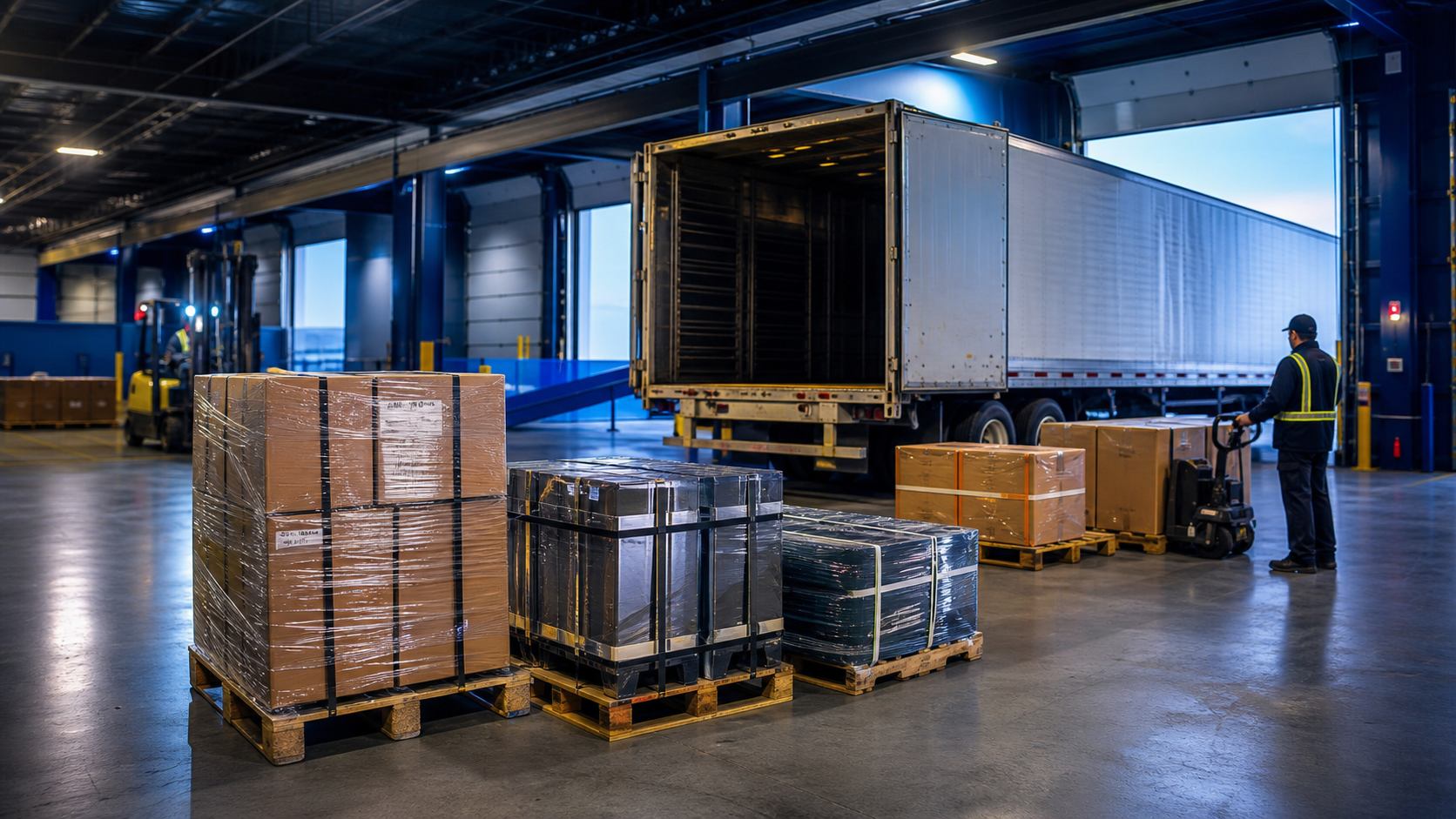
Less-than-truckload (LTL) freight shipping combines shipments from multiple customers in one trailer. It is usually a practical fit when your freight is too large for parcel service but does not need an entire truck.
You pay for the trailer space and service your shipment uses rather than reserving the whole trailer. In return, the freight may move through one or more carrier terminals, where it can be transferred between trailers before final delivery.
What does LTL mean in shipping?
LTL means less than truckload. The carrier consolidates compatible freight from several shippers moving through its network. Old Dominion describes LTL as multiple shippers’ freight sharing the same trailer, often through a hub-and-spoke terminal system.
That shared network is what separates LTL from full truckload service. A full truckload shipment reserves the trailer for one customer and commonly moves directly from pickup to delivery. An LTL shipment uses only part of the trailer and may be handled at intermediate terminals.
Those extra handling points make accurate details and sturdy packaging especially important.
When is LTL freight a good fit?
LTL is worth considering when all of these statements are true:
- The shipment is larger or heavier than a normal parcel shipment.
- The freight can be secured to a pallet, placed in a crate, or prepared as another stable handling unit.
- The shipment does not require an entire trailer.
- Pickup and delivery timing can follow a carrier’s LTL network and service options.
- You can provide accurate weight, dimensions, commodity information, and location requirements.
LTL may be a poor fit for freight that needs exclusive trailer use, minimal handling, unusual temperature control, or a direct time-critical move. Those requirements may point to full truckload, dedicated, expedited, or specialized service instead.
A simple LTL example
Suppose a business needs to ship two finished pallets from Raleigh to Atlanta. Each pallet measures 48 by 40 by 60 inches, and the combined weight is 1,200 pounds.
The freight occupies only a fraction of a trailer. If the commodity is accepted by an LTL carrier and the pickup and delivery requirements are known, the shipper can request LTL rates without paying for exclusive use of the entire trailer.
The dimensions and weight in this example are illustrative. The right mode and price still depend on the actual commodity, lane, locations, services, and carrier rules.
How does an LTL shipment move?
A typical shipment follows this sequence:
- Quote: The shipper provides the origin, destination, handling units, dimensions, weight, commodity details, freight class, and required services.
- Pickup: A local driver collects the prepared freight and brings it into the carrier’s network.
- Terminal handling: The carrier sorts and consolidates freight by destination. A shipment may be transferred between trailers.
- Linehaul: The freight moves between origin and destination service areas.
- Delivery: A local terminal dispatches the shipment for delivery under the selected service conditions.
The exact route varies by carrier and lane. A quoted transit time is generally an estimate unless a specific guaranteed or time-definite service was purchased.
How is LTL different from parcel and full truckload?
| Shipping mode | Trailer or vehicle use | Typical handling pattern | Often a fit when |
|---|---|---|---|
| Parcel | Individual packages move through a parcel network | Conveyor and package handling | Items can be packed and labeled within the parcel carrier’s limits |
| LTL freight | Multiple shippers share trailer space | Pallet or freight handling through an LTL terminal network | Freight is too large for parcel but uses only part of a trailer |
| Full truckload | One shipper reserves the trailer | Often direct pickup-to-delivery movement | Volume, handling, urgency, or operating needs justify exclusive use |
This is a mode comparison, not a universal size chart. Carrier limits and service definitions vary, so check the rules attached to the rate you are considering.
What information do you need for an LTL quote?
Have these details ready before comparing rates:
- Origin and destination ZIP codes
- Whether each location is commercial, residential, or limited access
- Number and type of handling units
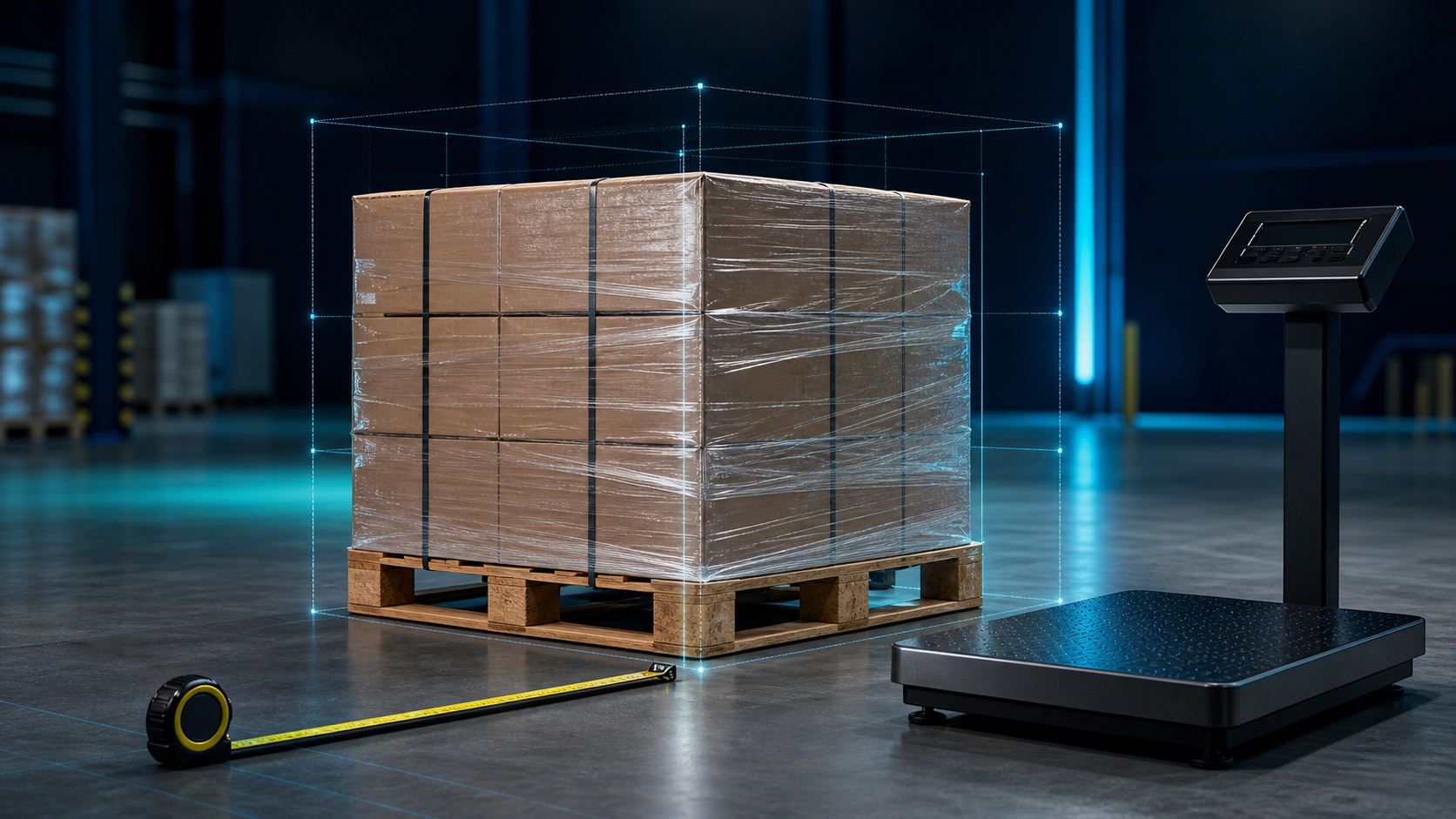
- Final length, width, and height of each handling unit
- Accurate total weight
- A specific commodity description
- The applicable NMFC item and freight class, when required
- Pickup date and any delivery timing needs
- Services such as liftgate, inside pickup or delivery, appointment, or notification
Freight class is a standardized way to describe how a commodity behaves in transportation. The NMFTA says class is based on density, handling, stowability, and liability. Our freight class guide explains those factors and shows a density calculation.
Measure after the freight is completely packed. Pallet overhang, protective material, and wrap are part of the final dimensions the carrier must handle.
What can change the quoted price?
LTL rates respond to several shipment-specific inputs:
- Lane: Origin, destination, distance, and carrier network coverage
- Weight and dimensions: The mass and trailer space occupied
- Commodity and class: How the freight is classified for transport
- Pickup and delivery conditions: Dock access, business type, appointment needs, and special equipment
- Service level: Standard, expedited, guaranteed, or other carrier-defined options
- Accessorial services: Work outside a standard commercial dock-to-dock move
An accurate quote depends on an accurate description. If the carrier finds a different weight, size, class, commodity, or service condition, it may adjust the shipment charges under its tariff or rules.
What mistakes cause problems for first-time LTL shippers?
The most preventable problems start before pickup:
- Quoting carton dimensions instead of the finished pallet
- Estimating weight without a reliable scale
- Using a vague commodity description
- Guessing at freight class
- Omitting residential, limited-access, liftgate, or appointment needs
- Allowing cartons to hang over the pallet edge
- Assuming an estimated transit day is a guaranteed delivery commitment
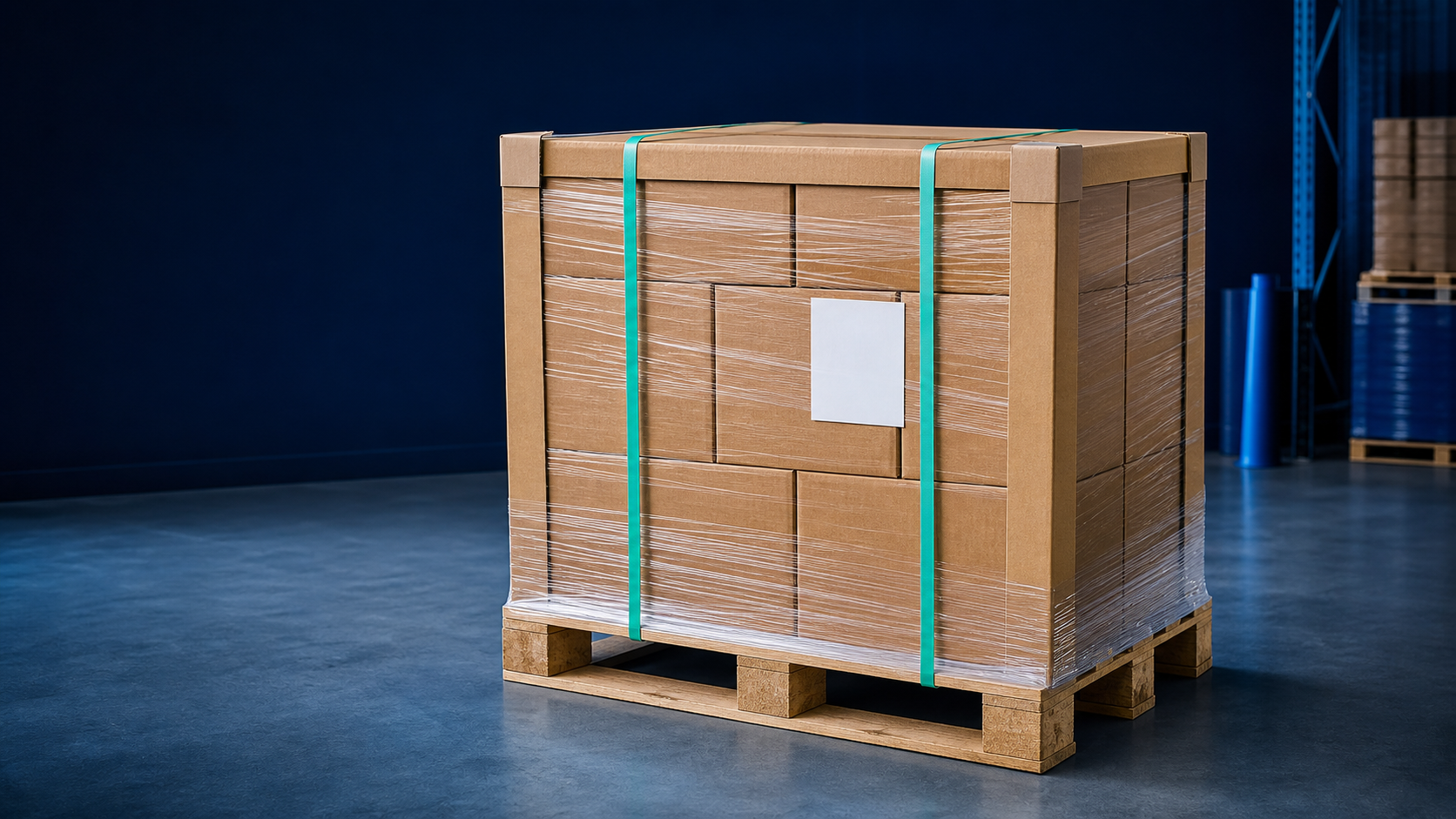
A stable handling unit protects the freight and gives the carrier reliable dimensions. Follow the full pallet packaging checklist before you measure and book.
What should you do before booking?
Confirm the shipment facts, photograph the finished freight, and compare the complete service—not only the lowest line on the rate list. Check the carrier, estimated transit, included services, pickup requirements, and delivery conditions.
When your freight details are ready, start a Shipocity quote to compare available carrier options. You can also review how Shipocity moves from quote to delivery before booking.