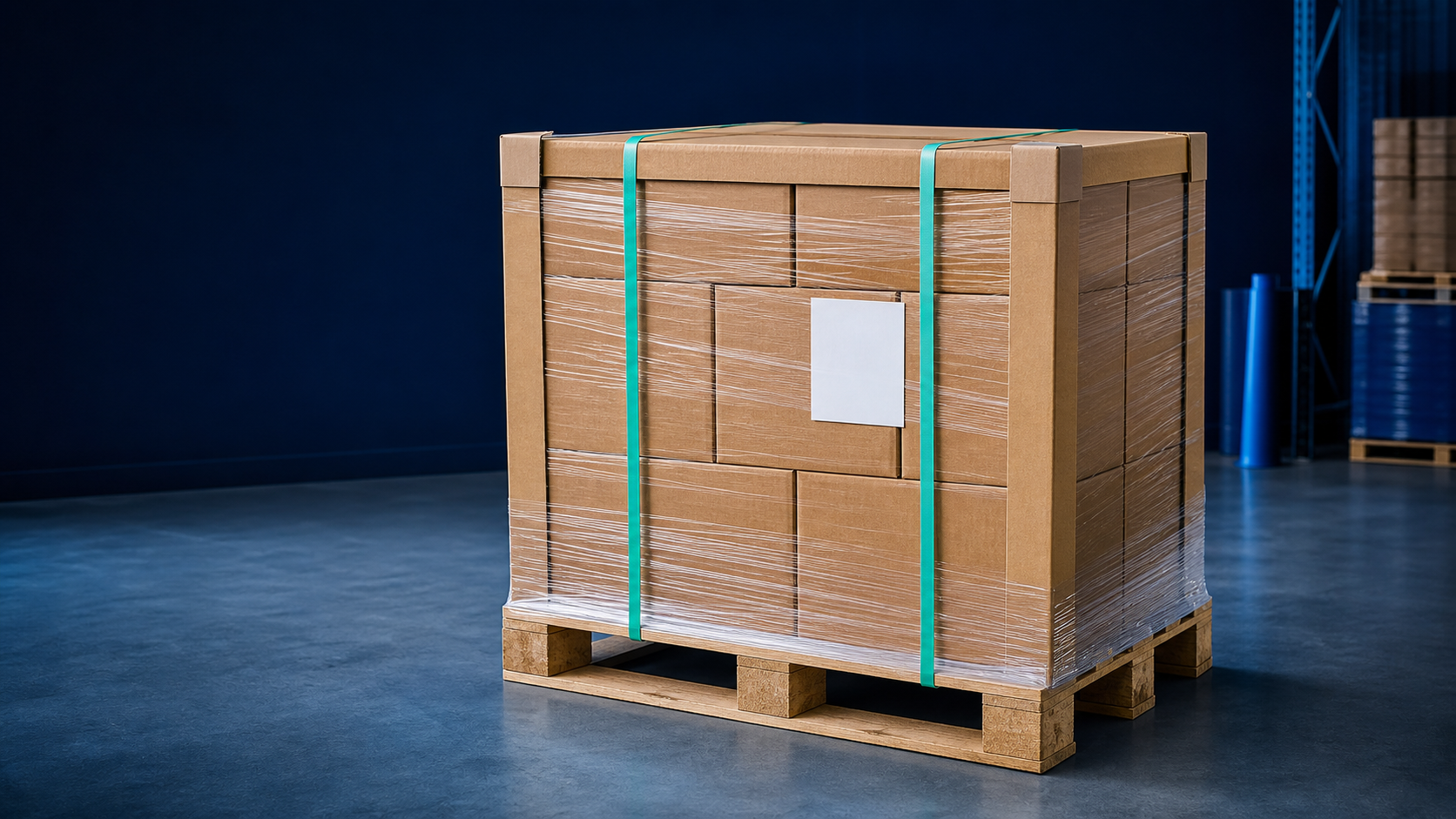
LTL Freight Class Explained: NMFC, Density, and Classes
Understand LTL freight classes 50–500, the four NMFC characteristics, how to calculate density, and why the correct class matters.
LTL freight class is a standardized rating category that describes how a commodity behaves in transportation. The National Motor Freight Classification (NMFC) uses classes from 50 to 500, with density, handling, stowability, and liability all contributing to classification.
Density is important, but it is not always the entire answer. The correct class may also depend on an NMFC item description, packaging, value, fragility, hazard, or other transportation characteristics.
What is freight class?
Freight class gives shippers and LTL carriers a shared way to rate many different commodities. NMFTA describes it as the common language carriers and shippers use to account for the effort required to move a load.
There are 18 classes: 50, 55, 60, 65, 70, 77.5, 85, 92.5, 100, 110, 125, 150, 175, 200, 250, 300, 400, and 500.
Lower classes generally describe denser freight that is easier to handle and stow with lower liability concerns. Higher classes generally describe freight that is less dense, harder to handle, difficult to stow, more fragile, or more exposed to loss or damage. That is a general pattern, not permission to choose a class from density alone.
What do NMFC and NMFTA mean?
- NMFTA is the National Motor Freight Traffic Association, the organization that publishes and maintains the classification standard.
- NMFC is the National Motor Freight Classification, the system of commodity descriptions, item numbers, rules, and classes used in LTL transportation.
- NMFC item number identifies a commodity description in the classification.
- Freight class is the numerical rating category assigned under the applicable provision.
An item number and a class are related, but they are not interchangeable. A specific commodity may have one class, a density-based class table, or additional notes and packaging requirements.
What four characteristics determine freight class?
The NMFC overview names four transportation characteristics:
Density
Density is the shipment’s weight relative to the cubic space it occupies. A dense metal component and a lightweight display may use the same pallet footprint but place very different demands on trailer capacity.
Handling
Handling considers how easily the freight can be moved through terminals and into trailers. Unusual dimensions, an unstable base, protrusions, or equipment requirements can make a shipment harder to handle.
Stowability
Stowability considers how effectively the freight can share trailer space. Freight that cannot bear weight, cannot be placed beside other goods, has an irregular shape, or requires separation may use trailer capacity less efficiently.
Liability
Liability considers risks associated with damage, theft, perishability, hazardous properties, and the possibility that one commodity could damage another.
NMFTA’s detailed rules and interpretations govern how these traits apply. A calculator can help with density, but it cannot independently assess every handling, stowability, or liability issue.
How do you calculate freight density?
For a rectangular handling unit measured in inches:
- Multiply length × width × height to find cubic inches.
- Divide cubic inches by 1,728 to convert to cubic feet.
- Divide the shipment weight in pounds by cubic feet.
Density = weight in pounds ÷ cubic feet
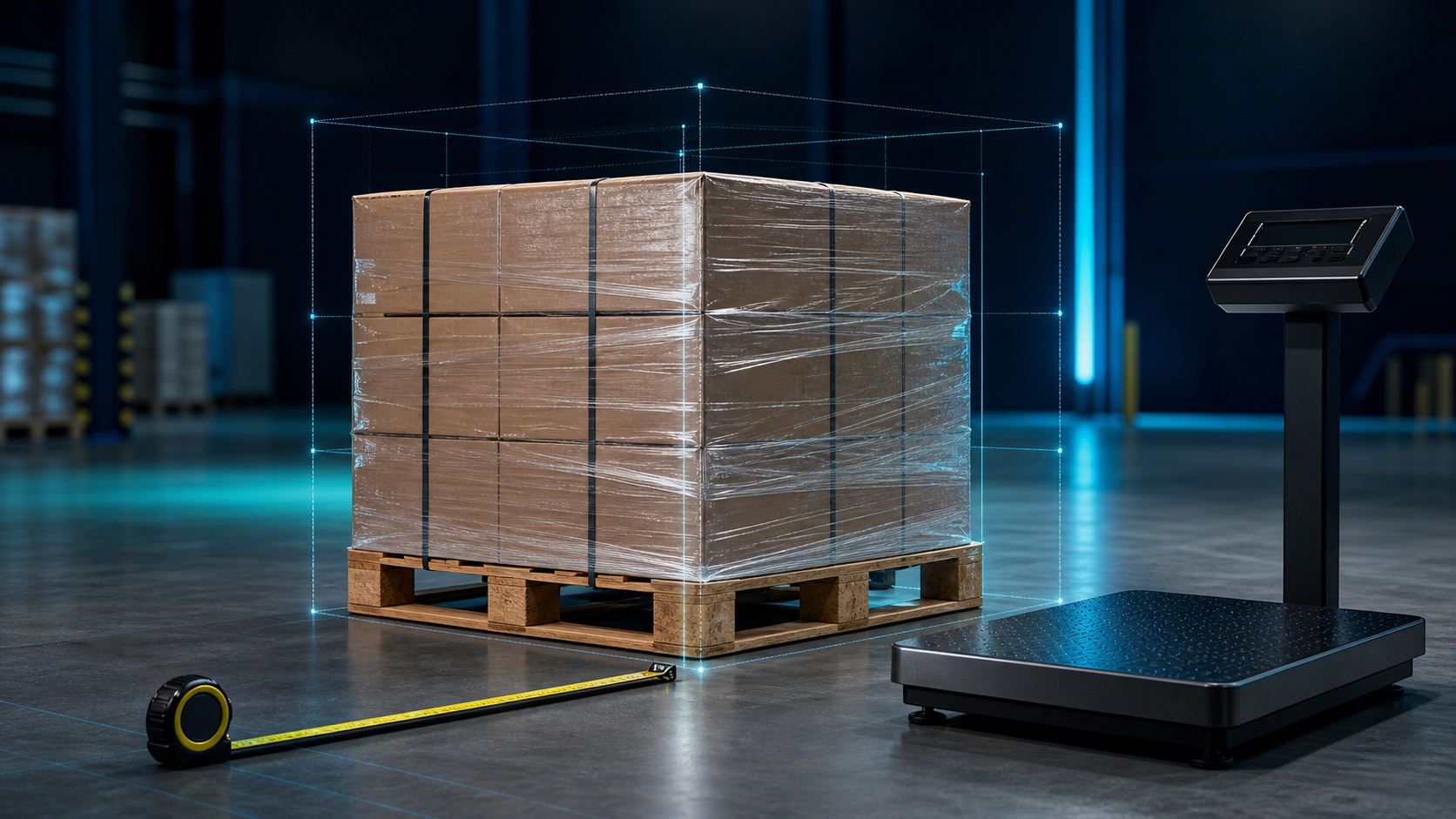
Use the outermost points of the finished handling unit, including the pallet, packaging, and overhang. For multiple handling units, add their cubic feet and weights before dividing if the applicable rating method calls for shipment-level density.
Worked density example
Consider one finished pallet that measures 48 × 40 × 60 inches and weighs 1,000 pounds.
- Cubic inches: 48 × 40 × 60 = 115,200
- Cubic feet: 115,200 ÷ 1,728 = 66.67
- Density: 1,000 ÷ 66.67 = 15 pounds per cubic foot
Under the current NMFTA Freight Classification Development Council density guidelines, 15 pounds per cubic foot corresponds to class 70 when a general density guideline applies and there are no unusual handling, stowability, or liability issues.
That last condition matters. The commodity’s actual NMFC provision can produce a different result.
What are the current density-to-class guidelines?
The following table transcribes the density guidelines in NMFTA’s current 2026 classification procedures. “At least” means the shipment meets or exceeds that minimum average density.
| Average density in pounds per cubic foot | Guideline class |
|---|---|
| 50 or more | 50 |
| 35 to under 50 | 55 |
| 30 to under 35 | 60 |
| 22.5 to under 30 | 65 |
| 15 to under 22.5 | 70 |
| 13.5 to under 15 | 77.5 |
| 12 to under 13.5 | 85 |
| 10.5 to under 12 | 92.5 |
| 9 to under 10.5 | 100 |
| 8 to under 9 | 110 |
| 7 to under 8 | 125 |
| 6 to under 7 | 150 |
| 5 to under 6 | 175 |
| 4 to under 5 | 200 |
| 3 to under 4 | 250 |
| 2 to under 3 | 300 |
| 1 to under 2 | 400 |
| Under 1 | 500 |
Do not use this table as a substitute for the applicable NMFC item. It is a useful orientation and calculation check, not a universal commodity lookup.
Why does the correct class matter?
Class is one of the facts used to rate an LTL shipment. If the class, weight, dimensions, commodity, or packaging is wrong, the carrier may inspect the freight and adjust the rating information under its rules.
An accurate class also helps avoid operational confusion. The bill of lading, quote, and physical shipment should describe the same handling units and commodity.
How can you reduce reclassification problems?
- Identify the commodity specifically; avoid descriptions such as “parts,” “miscellaneous,” or “general merchandise.”
- Use the applicable NMFC item rather than selecting a class only because it produces a lower rate.
- Weigh the finished freight on suitable equipment.
- Measure the longest points after packaging is complete.
- Keep photos showing the finished handling unit and its dimensions.
- Put consistent information on the quote and bill of lading.
- Ask for classification help when the item description or rule is unclear.
Start with our LTL freight overview if you are still deciding whether this mode fits. Before measuring, use the pallet packaging guide to create a stable finished unit.
When your commodity, class, dimensions, weight, and service needs are ready, compare LTL carrier rates with Shipocity.