Pallet Shipping Cost: What Drives the Price?
Pallet shipping cost depends on packaged weight, dimensions, freight class, lane distance, accessorial services, and fuel. Here's how each input moves the number.
There is no single price to ship a pallet. An LTL quote is built from the actual shipment: origin and destination, handling-unit count, packaged weight and dimensions, commodity and freight class, pickup and delivery requirements, and the carrier’s applicable pricing terms. Fuel surcharges and other services may also affect the total.
That is why a pallet-shipping cost estimate is only useful when it reflects the finished load. Product dimensions, an assumed class, or a rate from a previous lane can produce a misleading number.
The main pallet shipping cost inputs
Most quote differences can be traced to a short list of variables. Some describe the physical freight. Others describe where it is moving and what the carrier must do at pickup or delivery.
Packaged weight
Use the total weight of the handling unit as tendered. That includes the product, cartons, crate or enclosure, padding, pallet or skid, bands, wrap, bracing, and other packaging.
Do not use a catalog product weight in place of the finished pallet weight. If several pallets are included, record each pallet’s weight when the quote workflow requests handling-unit details, as well as the shipment total.
Old Dominion’s LTL pricing guidance identifies accurate total weight as a quote input and notes that its invoices use the measured shipment weight. Exact verification and billing practices depend on the carrier and applicable pricing terms, but the practical lesson is universal: quote the freight in the condition in which it will ship.
Outside dimensions
Measure the greatest outside length, width, and height of the completed handling unit. Include the pallet, packaging, projections, and overhang. Do not measure only the boxes or the pallet deck.
Dimensions matter because they describe how much space the freight occupies. Together with weight, they are used to calculate density when the applicable NMFC provision calls for it. Unusual length, width, height, or shape can also affect carrier acceptance or service requirements.
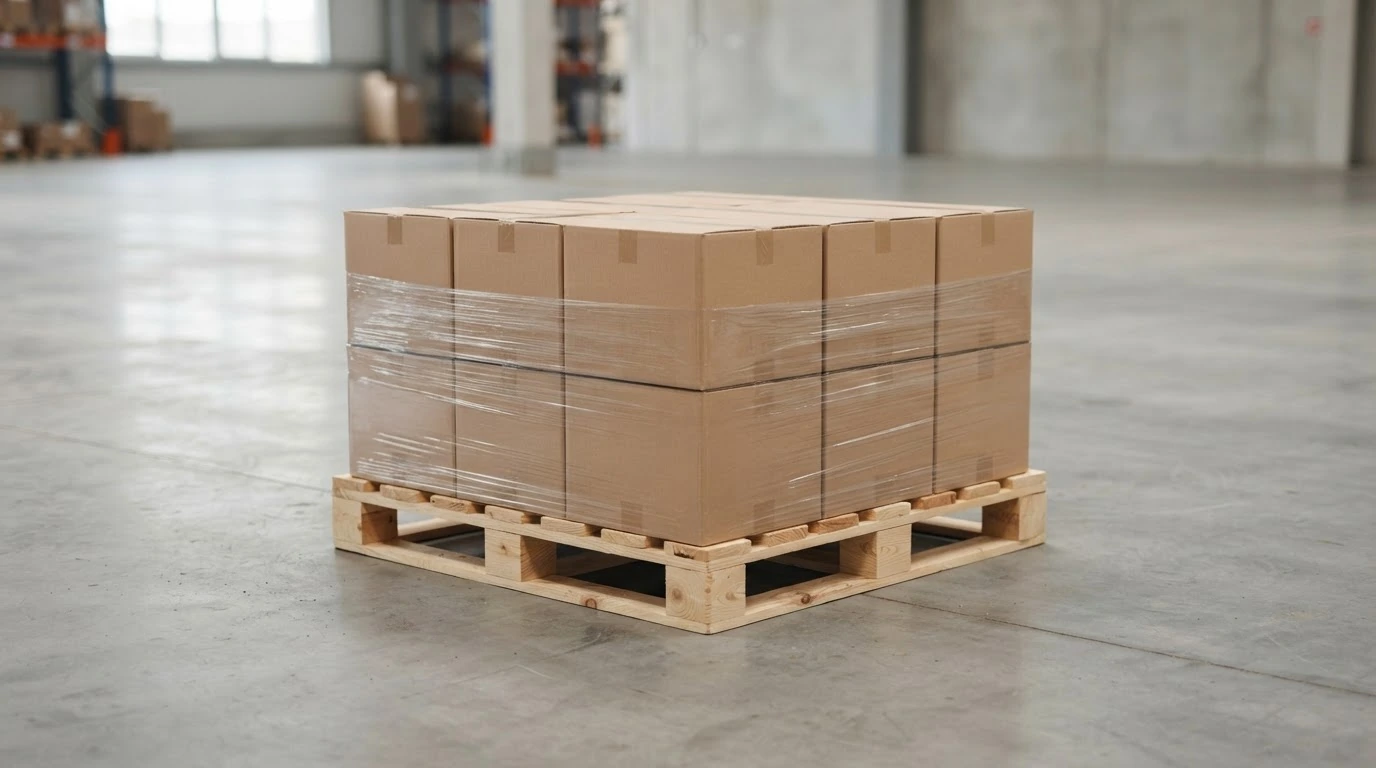
The familiar 48-by-40-inch pallet is only a base. The finished handling unit may be wider, longer, or taller once the product and protective packaging are added. Quote the outside freight dimensions, not the nominal pallet size.
Commodity and freight class
Freight class is another major LTL pricing input. The NMFC evaluates density, handling, stowability, and liability. Many commodities use density-based subprovisions, while others have item-specific conditions that reflect the remaining characteristics.
Do not convert density directly into a class unless the current NMFC item supports that result. Identify the commodity, confirm the current item and subprovision, and review its packaging requirements, notes, rules, and exceptions.
Packaging can change the occupied volume and therefore the density. NMFTA explains that measurements must use the extreme dimensions of the freight as tendered, including pallets, crates, and other packing forms. A packaging change can affect classification when the applicable provision uses density or distinguishes between package types.
The goal is not to make the package as small as possible at any cost. It is to protect the freight while avoiding unnecessary space and meeting the current packaging requirements.
Origin, destination, and lane
The origin and destination ZIP codes define the lane being priced. A rate for one city pair cannot be assumed to apply to another, even when the pallet is unchanged.
The lane affects the carrier options and pricing available for that shipment. Pickup and delivery location details also matter because the same ZIP code can contain facilities with different operating conditions.
Use complete, accurate locations in the quote. Do not rely on an approximate metro area when the shipment will originate from or deliver to a specific ZIP code.
Pickup and delivery services
Standard service assumptions vary by carrier and pricing program. Services beyond the quoted baseline may be treated as accessorials under the applicable tariff or contract.
Common details to identify before quoting include:
- Whether a usable loading dock or forklift is available at origin and destination
- Whether liftgate service is required
- Whether either location is residential or otherwise classified as noncommercial or limited access
- Whether inside pickup or delivery is requested
- Whether an appointment or notification is required
- Whether the shipment is hazardous material and accepted for the service
- Whether the freight has unusual length, width, height, or handling needs
Old Dominion describes accessorial charges as fees for services beyond standard service and advises requesting needed services through the rate estimate, pickup, or bill-of-lading process. Definitions and charges are carrier-specific, so select the service that matches the actual location and review the quote and applicable terms.
Do not leave a known requirement out to make the initial quote look lower. If the carrier performs a service that was not reflected in the quote, the final charges may change according to its tariff or contract.
Fuel surcharge
Fuel can appear as a separate surcharge or be handled within a pricing program. When a carrier uses an indexed fuel surcharge, its schedule determines how the published fuel value maps to the charge.
The U.S. Energy Information Administration publishes weekly retail on-highway diesel price estimates. Carriers that reference an EIA or Department of Energy diesel index still apply their own surcharge tables and terms. The index is an input, not a universal freight-fuel percentage.
Read the quote to see how fuel is presented and whether it is included in the displayed total. Do not reuse a fuel amount from an older quote without checking the current rate.
Carrier pricing terms and minimums
Two carriers can price the same pallet differently. A carrier’s network, tariff, negotiated account terms, service offering, and minimum-charge rules can all affect the quote.
This is also why a per-mile shortcut or a generic “cost per pallet” average is unreliable. It leaves out freight class, shipment size, service requirements, and the actual pricing terms available for the lane.
How packaging changes the quote
Packaging affects price through the physical and classification inputs, but the direction is not always predictable.
Adding a pallet, crate, foam, or bracing increases weight and may increase occupied volume. If volume grows faster than weight, density falls. That can affect the applicable subprovision for a density-based item. A different package type may also lead to a different result when the NMFC item contains package-specific provisions.
At the same time, removing protection solely to reduce dimensions can expose the product to damage or cause the package to fall short of the applicable requirements. Use packaging that is appropriate for the commodity and normal LTL handling.
For preparation details, see How to Package a Pallet for LTL Shipping.
Why a quote and final invoice can differ
A quote is based on the information entered and the terms attached to that rate. If the physical shipment or services performed do not match those inputs, the carrier may revise the charges under its tariff or contract.
Common mismatches include:
- Product-only weight entered instead of total packaged weight
- Dimensions that omit the pallet, crate, or projection
- A commodity description or class that does not match the freight
- A different handling-unit count
- An origin or destination condition entered incorrectly
- A required pickup or delivery service omitted from the quote
- A package, weight, or dimension changed after the rate was obtained
Review the quote’s expiration, assumptions, service selections, and applicable terms before booking. If any shipment detail changes, request an updated rate instead of treating the first quote as fixed.
Information to gather before getting a quote
Prepare these details for every handling unit:
- Origin and destination ZIP codes
- Planned pickup date
- Handling-unit and piece counts
- Greatest packaged length, width, and height
- Total packaged weight
- Specific commodity description
- NMFC item, subprovision, and freight class when known
- Package type
- Whether the package is designed to support freight above it
- Hazardous-material status, if applicable
- Pickup and delivery location conditions
- Required services at each end
Make the bill of lading and physical freight match the quote. Recheck the measurements and service selections after packaging is complete and before pickup.
Compare the complete shipment options
Price matters, but compare like with like. Confirm that each option reflects the same freight details and requested services. Review the total shown, the service description, the estimated transit information, and the attached assumptions or terms.
An estimated transit time is not the same as a guaranteed delivery commitment. If timing is important, verify the service level and its terms rather than inferring a guarantee from an estimate.
Get a shipment-specific pallet quote
Shipocity is backed by a team with more than 40 years of combined logistics experience. Through established industry relationships, the platform helps businesses compare competitive freight rates for their specific shipment.
Get a freight quote and sign up with Shipocity when the pallet’s packaged measurements and service requirements are ready.