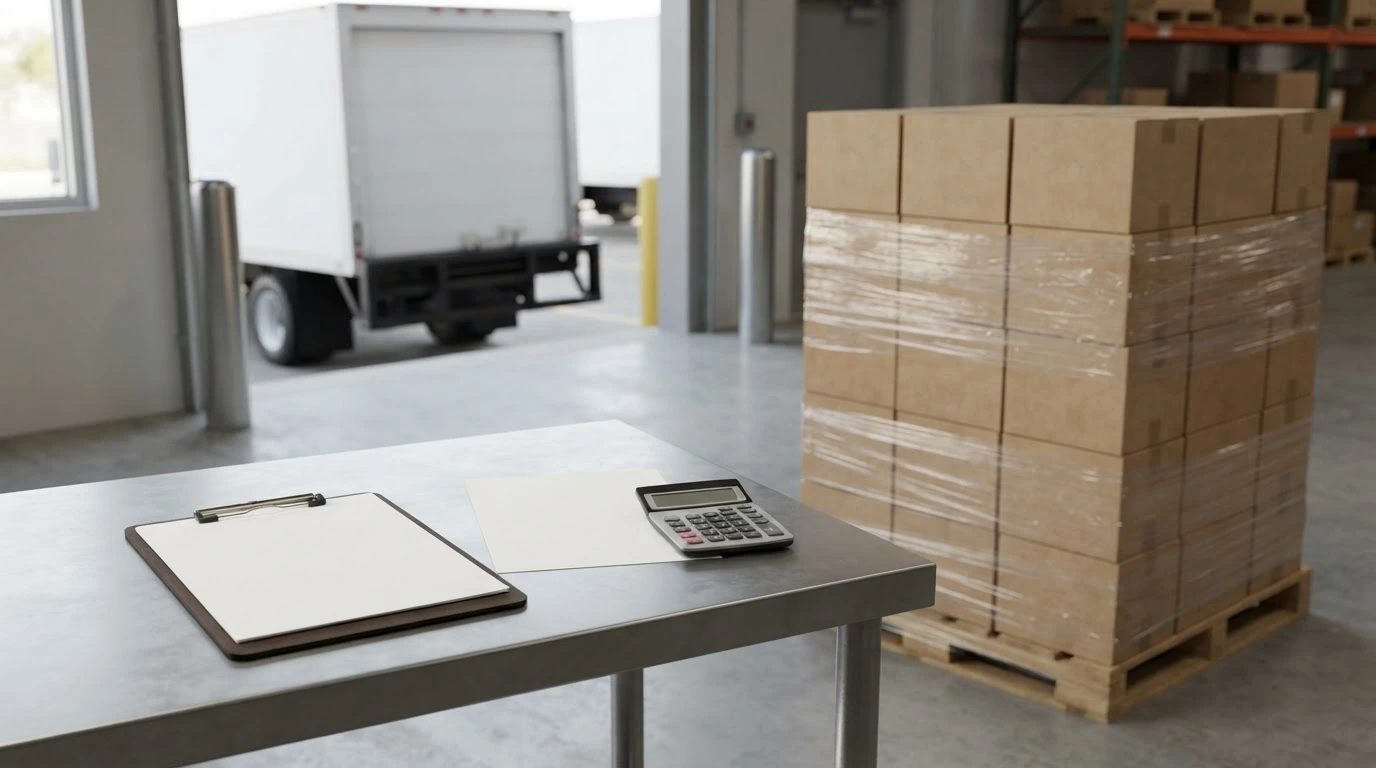
How Is Freight Class Determined?
Freight class is determined under the NMFC using density, handling, stowability, and liability. Learn how to confirm class before requesting LTL rates.
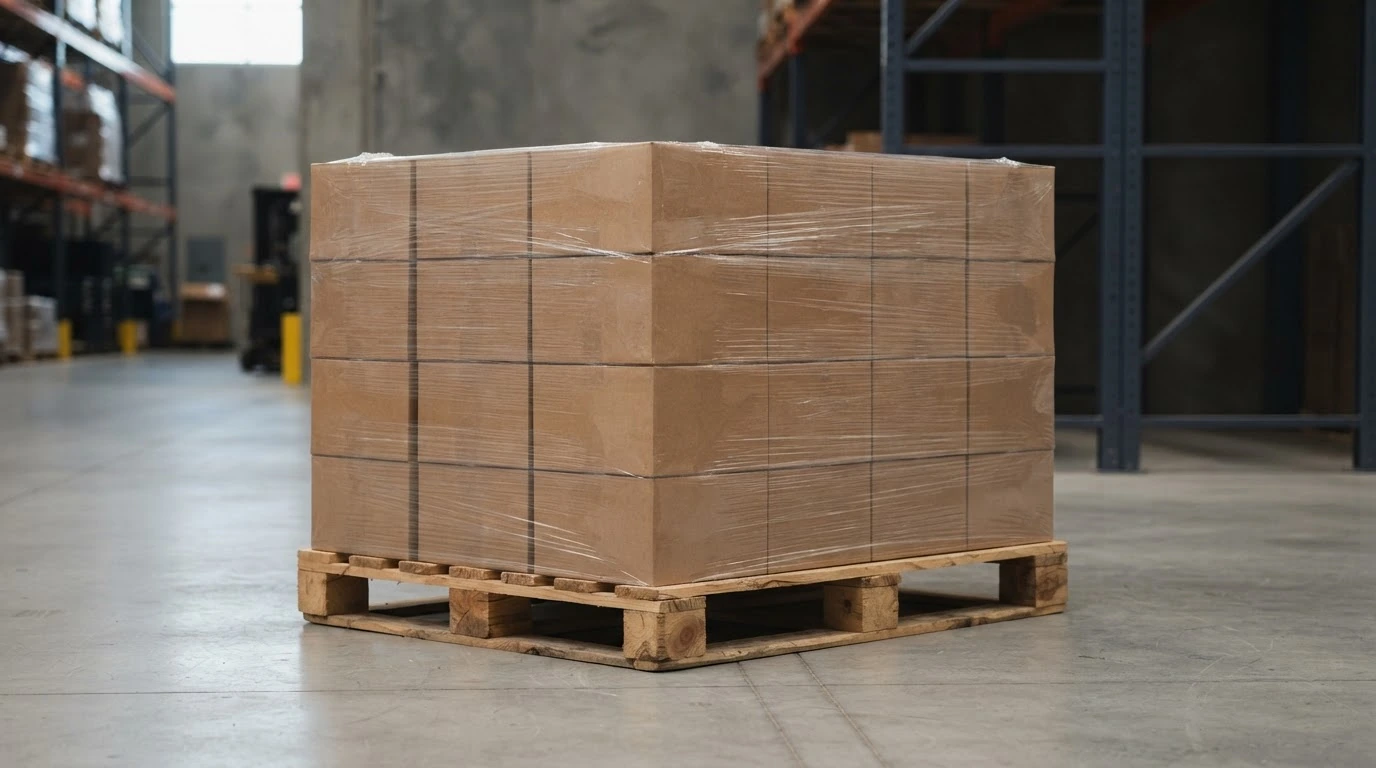
Freight class is determined under the National Motor Freight Classification, or NMFC, by evaluating a commodity’s transportation characteristics. The National Motor Freight Traffic Association identifies four characteristics: density, handling, stowability, and liability. The applicable NMFC item tells you how those characteristics translate into a class for the freight being shipped.
Density is important, but it is not a universal shortcut. Some NMFC provisions assign class through a density scale, while other commodities have classification provisions that also reflect unusual handling, stowability, or liability concerns. The safest process is to identify the commodity first, use the current NMFC provision, and measure the freight in its final packaged form.
The four classification characteristics
NMFTA describes freight class as a common language for comparing how commodities move through the LTL network. Classes range from 50 to 500 and are based on four transportation characteristics.
Density
Density describes how much the freight weighs relative to the space it occupies. For packaged freight, it is calculated from the complete handling unit, not just the bare product.
Accurate length, width, height, and weight are therefore important. A pallet, crate, padding, overhang, or other packaging can change the final volume and density. When an NMFC item uses a density-based class scale, those packaged measurements help determine which class applies.
Handling
Handling considers how easy or difficult the commodity is to move across a dock and into or out of equipment. Size, weight, configuration, fragility, hazardous characteristics, and the need for special care can affect handling.
This factor explains why two commodities with similar density do not necessarily belong in the same classification provision. The physical work and precautions required to handle them may differ.
Stowability
Stowability concerns how effectively freight can be placed with other freight in a trailer. NMFTA identifies considerations such as excessive length or weight, loading restrictions, protrusions, limited load-bearing surfaces, and an inability to place other freight beside or above the commodity.
The practical point is not to invent a class adjustment for “non-stackable” freight. It is to describe and package the commodity accurately, then apply the current NMFC provision that covers it.
Liability
Liability addresses transportation risks associated with the commodity. NMFTA’s classification guidance includes susceptibility to damage, the potential to damage other freight, perishability, and hazardous nature among the considerations.
These characteristics are evaluated as part of classification. They should not be converted into a homemade point system or used to guess a class without the applicable NMFC item.
Start with the commodity, not a density chart
A density calculator can perform useful arithmetic, but it cannot identify every commodity-specific rule. Begin with a precise description of what is being shipped:
- What is the product or material?
- What is it made from?
- What is its form or use?
- How is it packaged?
- Does it have unusual handling, stowability, or liability characteristics?
Then search the current NMFC for the provision that matches the commodity. NMFTA’s ClassIT+ is the official digital tool for locating NMFC items, calculating density, and confirming freight class.
Read the item and any referenced notes or rules before selecting a class. The item may provide a single class, a density-based scale, packaging requirements, or other conditions that affect how it applies. A similar-sounding product name is not enough if the underlying commodity or packaging is different.
Measure the final handling unit
Complete the physical shipment before relying on its measurements. Record the longest points of the packaged unit, including the pallet and any overhang. Use the total packaged weight, including the container, pallet, crate, padding, and securing materials.
For a rectangular handling unit, density is found by converting the packaged cubic volume to cubic feet and dividing the packaged weight by that volume. The density result is only one step. Use it with the correct current NMFC item rather than treating it as an automatic class assignment for every commodity.
Keep the measurements with the shipment record. Photographs, scale records, and clear packaging details can help document the information used to prepare the quote and shipping paperwork.
Why a quote tool asks for class
Carrier rating interfaces commonly request freight class along with weight, handling-unit count, dimensions, origin and destination, and required services. XPO’s public LTL rate-quote page is one example: commodity class and weight are direct quote inputs, with dimensions available for the handling units.
The quote tool is using the class you provide as a rating input. It is not a substitute for identifying the correct commodity provision. If the class is unknown, confirm it before treating the displayed rate as reliable.
For a broader introduction to how classification fits into LTL shipping, see LTL freight class explained.
Common classification mistakes
Most avoidable errors come from skipping a step in the process:
- Searching for a vague product name instead of identifying the actual commodity
- Using bare-product dimensions rather than final packaged dimensions
- Guessing the weight instead of weighing the complete handling unit
- Assuming every item follows a density chart
- Ignoring notes, packaging rules, or references attached to an NMFC provision
- Reusing an old classification without checking the current NMFC
- Entering one class in the quote and a different class on the shipping documents
Avoid “rounding down” a class to improve a quote. The goal is not to find the lowest plausible number; it is to describe the freight correctly under the current classification.
What to prepare for an accurate quote
Gather these details before requesting rates:
- Clear commodity description
- Current NMFC item and subitem, when applicable
- Freight class
- Final packaged length, width, and height
- Total packaged weight
- Number and type of handling units
- Packaging method
- Stackability and any special handling characteristics
- Hazardous-material status when applicable
- Origin and destination postal codes
- Required pickup and delivery services
Use the same accurate details for every option you compare. That gives each carrier rate a consistent description of the shipment.
Shipocity is backed by a team with more than 40 years of combined logistics experience. Through established industry relationships, the platform helps businesses compare competitive freight rates for their specific shipment.
Once the commodity, class, measurements, and service needs are ready, get a freight quote and sign up through Shipocity.