Freight Delivery to a Trade Show or Convention Center
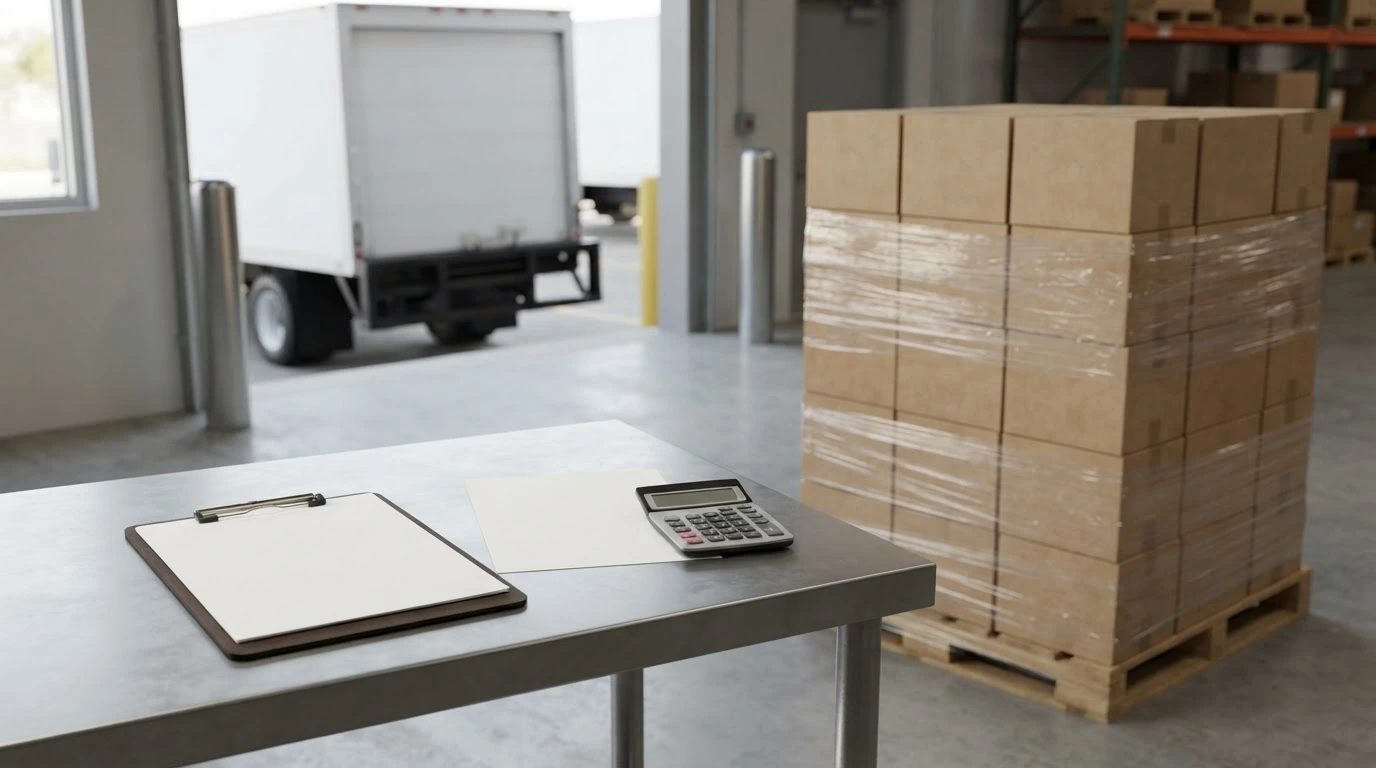
Plan trade show freight by separating transportation from event material handling and confirming the exhibitor kit, receiving path, labels, dates, and return plan.
Trade show freight delivery is a two-part job: transportation gets the shipment to the event’s approved receiving point, and material handling gets it from the receiving dock or advance warehouse to the booth. The event’s exhibitor services kit determines the correct address, receiving dates, labeling instructions, and on-site process. Use that kit as the shipment’s operating document instead of treating the convention center like an ordinary commercial destination.
Start with the show’s freight instructions
Do not book from the venue address alone. Find the freight or material-handling section of the exhibitor services kit and confirm:
- whether the show accepts advance-warehouse freight, direct-to-show freight, or both;
- the exact address and consignee format for the selected route;
- the first and last accepted delivery dates and receiving hours;
- the exhibitor name, event name, and booth number required on labels;
- packaging or special-handling rules;
- the official material-handling contractor and its forms; and
- move-out deadlines and outbound paperwork.
These details are event-specific. Shepard, for example, directs exhibitors to the event portal’s Quick Facts for the first and last warehouse delivery days, then tells them to coordinate those dates with their chosen carrier. Freeman likewise points exhibitors to the Exhibitor Services Kit for event dates and explains that individual venues may have exclusive service arrangements.
If the kit is unclear, contact the event’s exhibitor-services team before tendering the shipment. A carrier can transport freight to the address on its paperwork, but it cannot correct an event address, booth identifier, or receiving window that was entered incorrectly.
Choose between advance warehouse and direct to show
Many shows publish two receiving paths, but neither should be assumed until the show kit confirms it.
| Receiving path | How it works | What to verify |
|---|---|---|
| Advance warehouse | The freight carrier delivers to a designated warehouse before move-in. The show’s material-handling contractor later transfers the freight to the venue and booth. | Accepted delivery range, warehouse hours, eligible freight, storage terms, labels, and material-handling charges. |
| Direct to show | The freight carrier delivers to the venue during a published move-in window. The material-handling contractor receives it at the dock and moves it to the booth. | Scheduled date and time, driver check-in or marshaling instructions, dock rules, labels, waiting-time exposure, and charges. |
Freeman describes both options and distinguishes transportation from material handling. Transportation moves exhibit property to the event; material handling begins when the freight reaches the advance warehouse or show-site dock. GES describes material handling as work that can include unloading, movement to the booth, storage of empty containers during the event, and movement back toward the dock after the show.
An advance warehouse can provide more schedule margin, but only during its stated receiving period and subject to the show’s rules. Direct-to-show delivery may be appropriate when the show authorizes it, especially for freight that cannot use the warehouse. It also concentrates delivery into the move-in schedule. Compare the event’s current instructions and charges rather than assuming one path is always cheaper or accepted.
Keep transportation and material handling separate
The line-haul or LTL quote is not necessarily the full event-logistics cost. The freight carrier transports the shipment to the named receiving point. The official event contractor may separately charge for material handling after arrival.
That distinction matters when comparing options. Review the show’s current rate sheet for:
- the basis used to calculate material handling;
- minimums or shipment-specific rate categories;
- differences between advance and direct receiving;
- late, off-target, uncrated, mixed, or special-handling categories; and
- outbound or storage terms.
GES advises exhibitors to use the show’s posted date ranges and show-specific material-handling page when estimating charges. Those rates and categories are not universal, so a number from another event is not a safe budget estimate.
Specialized carrier services are also provider-specific. XPO currently describes priority handling, shipment visibility, a trade-show support desk, multiple service offerings, and complimentary storage within its own trade-show service. Estes describes event-logistics monitoring and around-the-clock support through EFW Tradeshow. These examples show why service details should be confirmed with the carrier selected for the shipment; they are not promises that apply to every quote or every show.
Prepare the freight for the handoff
The shipment may pass through a carrier terminal, an advance warehouse or venue dock, and the show’s material-handling operation before reaching the booth. Packaging and identification need to survive those handoffs.
Follow the event kit’s instructions exactly. In practical terms, that means:
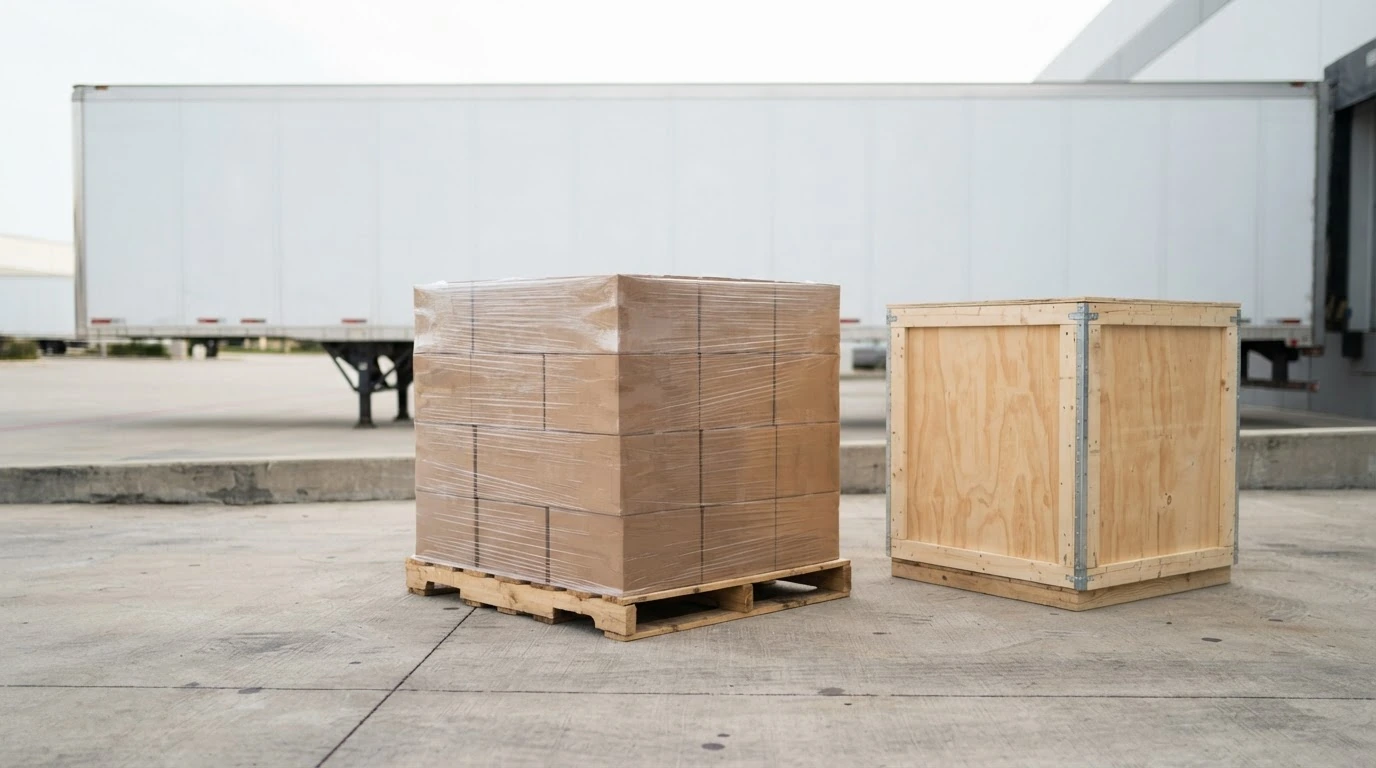
- Package each handling unit for normal freight movement and the handling method the event permits.
- Remove obsolete routing labels that could conflict with the current shipment.
- Apply the show’s official labels to every pallet, crate, or other handling unit as instructed.
- Make sure the bill of lading and labels use the same approved destination and identifying information.
- Retain the shipment identifiers, paperwork, and carrier contact details for the on-site team.
Freeman’s exhibitor guidance calls for an inbound bill of lading and certified weight tickets for materials shipped to the warehouse or show site. Requirements can differ by event, so use the forms and document list supplied for the actual show.
Also separate a carrier accessorial from event material handling. A liftgate, limited-access pickup, or other carrier service concerns the carrier’s pickup or delivery conditions. Moving exhibit freight from the receiving point to the booth is a different service governed by the event. Do not add a carrier accessorial simply because the final booth lacks a dock; first identify where the carrier will actually tender the freight and what equipment exists there.
Plan the return before move-in
Trade show freight is usually an inbound and outbound plan, not a one-way delivery. Before the event, confirm when empty containers will be returned, when packed freight must be ready, which outbound form the contractor requires, where the carrier must check in, and the final pickup deadline.
Give the carrier the published pickup location and window, and make sure the on-site contact knows who is responsible for releasing the freight. If the show has a rerouting policy when a chosen carrier misses pickup, understand it before move-out. The event’s outbound rules, not the inbound bill of lading by itself, control this handoff.
Quote checklist for trade show freight
Gather these details before requesting the transportation quote:
- origin and the show’s exact approved receiving address;
- advance-warehouse or direct-to-show designation;
- accepted delivery date range and receiving hours;
- packaged dimensions, weight, and piece count for every handling unit;
- an accurate commodity description and freight class when applicable;
- pickup-site conditions and any carrier accessorials actually required;
- event name, exhibitor name, booth number, and on-site contact;
- declared or released-value information requested by the carrier; and
- the outbound plan if return transportation is being arranged at the same time.
Shipocity is backed by a team with more than 40 years of combined logistics experience. Through established industry relationships, the platform helps businesses compare competitive freight rates for their specific shipment.
Once the show instructions and shipment details are in hand, build a quote with the right delivery services. For another destination where the receiving environment changes the plan, see freight delivery to a construction site.