First-Time LTL Shipping Checklist
A practical checklist for shipping LTL freight for the first time: confirm LTL is the right mode, measure and weigh, identify freight class, pick accessorials, and prepare the BOL.
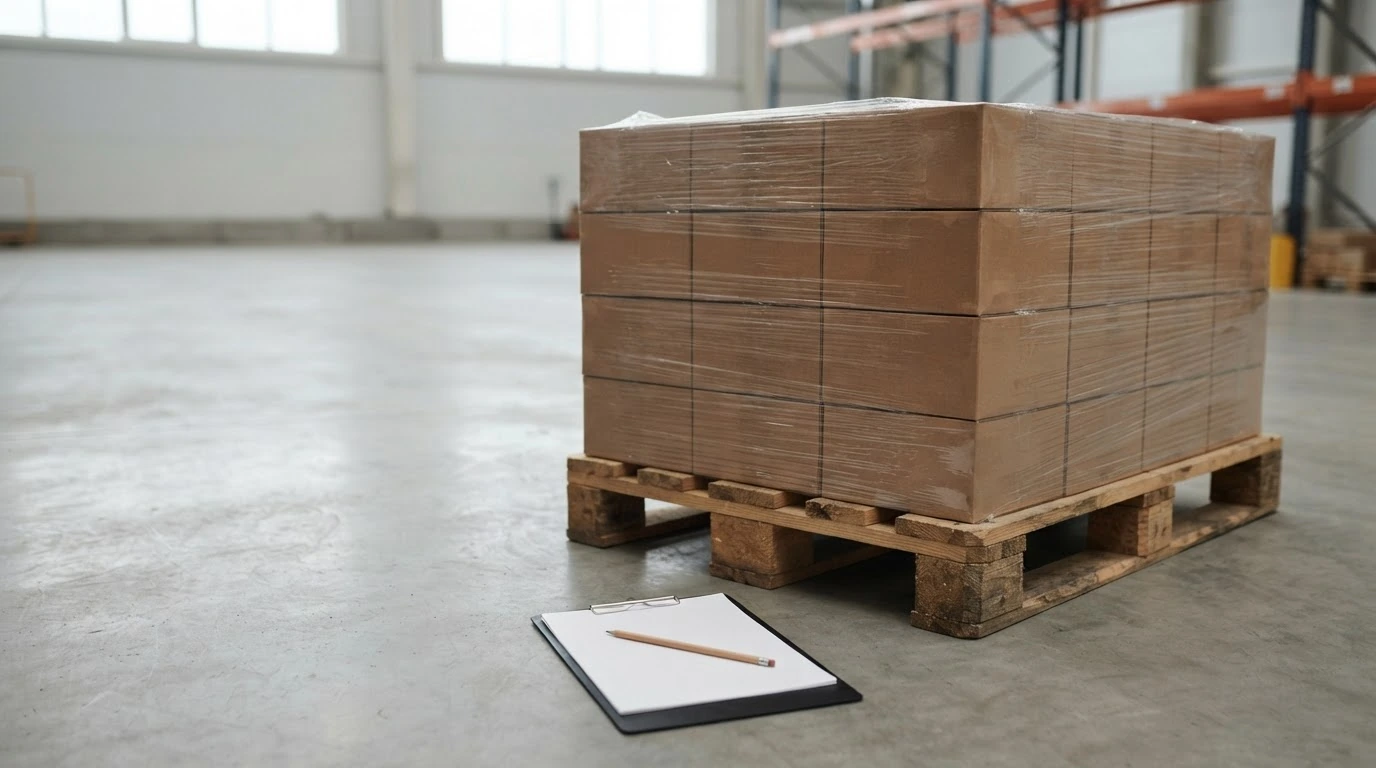
Your first LTL quote will go more smoothly if you prepare the shipment in the same order the carrier needs to evaluate it: package the freight, measure and weigh the finished handling units, describe the commodity, identify both locations, select required services, and review the timing and terms shown with the quote.
Use this checklist before entering the shipment. Carrier requirements vary, so the selected service and current carrier terms remain the final reference.
1. Confirm that you are quoting a freight shipment
LTL is designed for freight that shares trailer capacity with shipments from other businesses. It commonly includes palletized, crated, or otherwise secured handling units, but no single weight or pallet-count threshold applies to every carrier and lane.
If the shipment is near a carrier limit, occupies substantial trailer space, requires unusual handling, or may fit another freight mode, compare the options available for the actual shipment rather than relying on a generic cutoff.
- The freight is prepared as one or more defined handling units.
- I have not selected LTL solely from an assumed weight or pallet threshold.
- I will compare the services returned for the real lane and shipment.
2. Package the freight before measuring it
NMFTA’s LTL packaging guidance explains that freight should be prepared for normal terminal movement and mechanical handling. The correct packaging depends on the commodity, so a pallet and stretch wrap are not automatically sufficient for every item.
Prepare the freight as it will be presented at pickup. Keep the load stable, protect vulnerable surfaces, and use restraints appropriate to the contents and handling unit.
- The commodity is packaged for normal LTL handling.
- The handling unit is stable and can be moved safely using the planned equipment.
- Loose pieces are secured.
- Old or conflicting marks have been removed or covered.
- Special handling needs have been identified.
Packaging reduces avoidable risk, but it does not guarantee damage-free transportation. Review commodity-specific and carrier requirements when the freight is fragile, regulated, unusually shaped, or high value.
3. Measure and weigh the finished shipment
Measure after the pallet, crate, padding, wrap, and other packaging are in place. Record the outermost dimensions rather than the product dimensions alone.
For each handling unit, gather:
- Length, width, and height of the fully packaged unit
- Packaged weight
- Pallet or piece count
- Total shipment weight
- Whether the unit is stackable
Do not round dimensions down or substitute an estimate when an actual measurement is available. The quote should describe what the carrier will physically handle.
4. Describe and classify the commodity accurately
Freight class and the NMFC commodity item are related but not interchangeable. Classification provisions change, and some items use density or other rules. Avoid copying a class from an old shipment or assigning one from a simplified table without checking the current provisions.
- I have a plain-language commodity description.
- I know what the item is made of and how it is packaged.
- I have the current NMFC item or freight class when available.
- I will flag uncertainty instead of inventing a class.
- Regulated or hazardous freight will be reviewed under current applicable requirements by a qualified party.
Shipocity does not create NMFC rules or guarantee a classification. Accurate source information is the starting point for the quote.
5. Describe both locations
The carrier needs more than two ZIP codes. Each endpoint can affect the equipment, coordination, and service required.
For both origin and destination, confirm:
- Full address and ZIP code
- Commercial, residential, or other location type
- Loading-dock availability
- Forklift or other loading equipment availability
- Receiving hours and access restrictions
- Contact information and appointment requirements
- Limited-access conditions that should be disclosed
If you are unsure what address-to-address LTL includes, review Is LTL Freight Door-to-Door? before selecting endpoint services.
6. Identify required services before booking
Carrier definitions and availability vary, but services that may be relevant include liftgate, residential, limited-access, appointment, or inside pickup and delivery.
- Ground-level handling needs are disclosed.
- Residential or limited-access conditions are identified.
- Appointment requirements are included.
- Handling beyond the standard carrier handoff is described.
- I have reviewed which requested services are actually included in the quote.
Do not assume that one service includes another. For example, a location condition and an equipment need are separate facts even when both apply at the same address.
7. Choose realistic dates
Enter the intended pickup date and disclose any required delivery date. Transit times shown with standard LTL options are generally estimates unless a specific service and its terms state otherwise.
- The freight can be ready when pickup is requested.
- The pickup location can release it during the available window.
- The receiver can accept delivery under the selected service.
- I have distinguished an estimated transit time from a guaranteed commitment.
- Time-sensitive requirements are stated before service selection.
8. Review the shipment record and carrier documents
Before pickup, compare the booked shipment details with the packaged freight and the documents produced for the move. The exact document set and legal effect depend on the carrier and service, so this checklist does not replace the applicable bill of lading, tariff, service guide, or contract.
- Names, addresses, contacts, and references are correct.
- Piece count, dimensions, weight, and commodity description match the freight.
- Requested services match the location conditions.
- Pickup date and timing expectations are correct.
- I have saved the quote, booking confirmation, and shipping documents.
Final pre-quote check
Before opening the quote form, you should have:
- Origin and destination ZIP codes
- Pickup date
- Pallet or piece count
- Fully packaged dimensions and total weight
- Commodity description
- Freight class when known
- Stackability and special handling needs
- Location types and access requirements
- Required pickup and delivery services
- Any required delivery date or appointment condition
Turn the checklist into a shipment quote
The checklist is complete when the entered details describe the freight as it will be packaged, handled, picked up, and delivered. Avoid filling unknown fields with guesses; resolve material uncertainties before booking.
Shipocity is backed by a team with more than 40 years of combined logistics experience. Through established industry relationships, the platform helps businesses compare competitive freight rates for their specific shipment. Enter the prepared details to review the quote options available for the move.