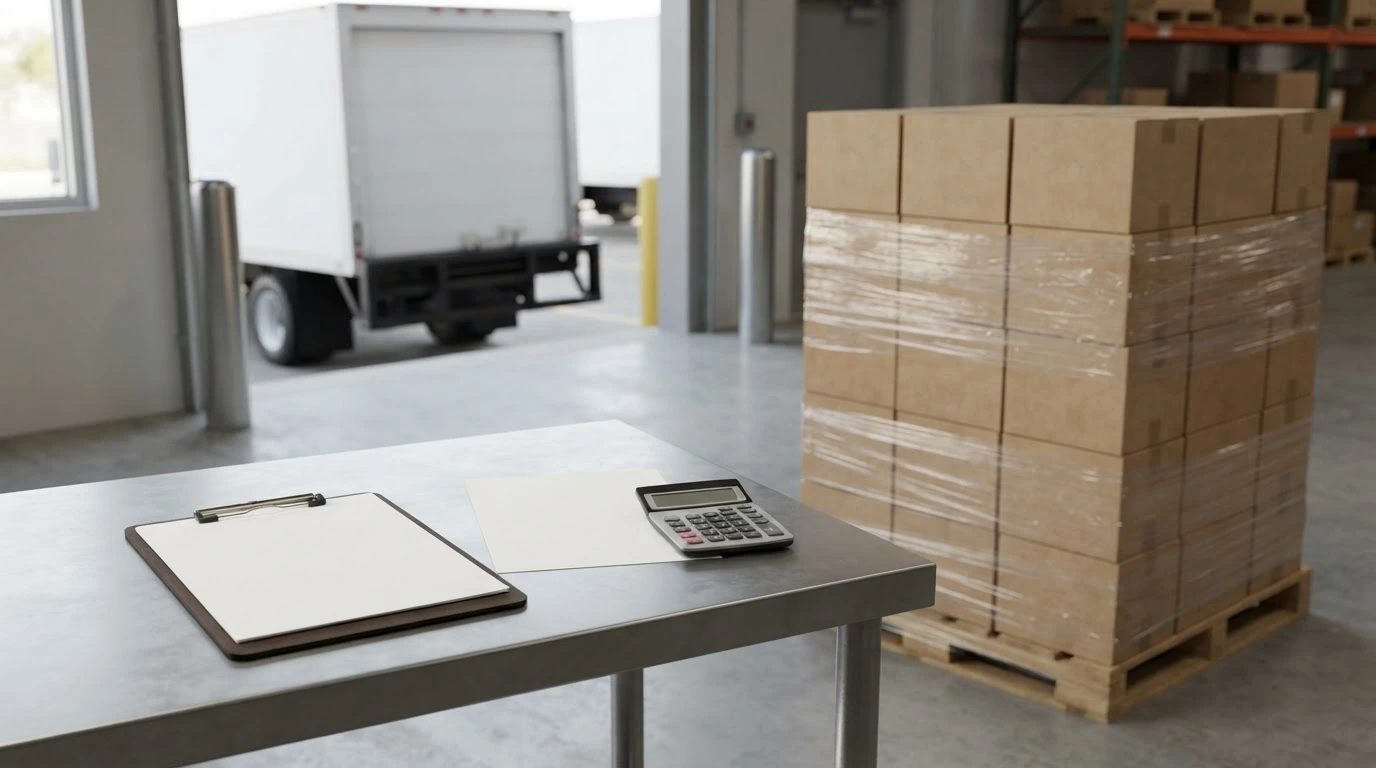
Is LTL Freight Door-to-Door?
Standard LTL freight moves dock-to-dock through carrier terminals. Learn how accessorial services like liftgate and residential delivery turn LTL into a true door-to-door experience.
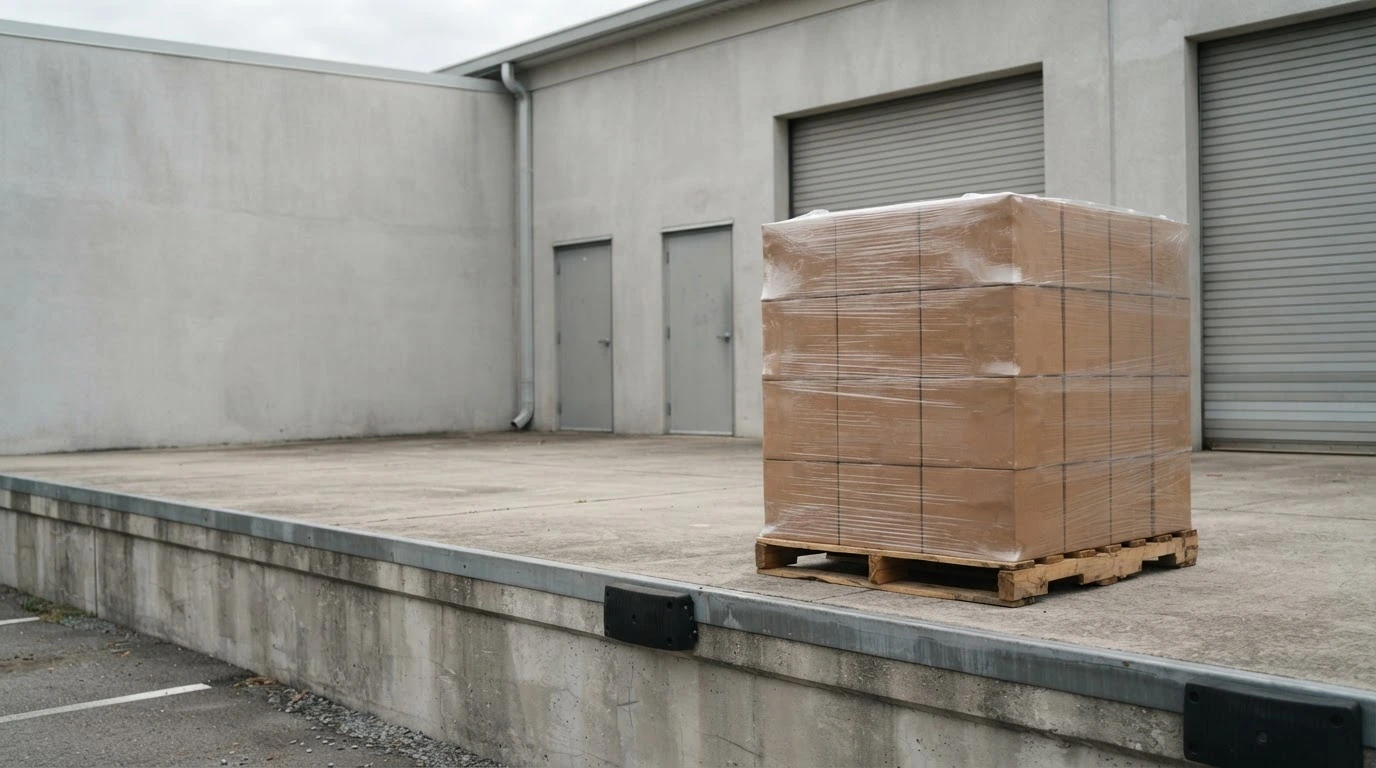
LTL door-to-door should be understood as address-to-address service, not a single-truck direct move or a promise of doorstep placement. The freight can be picked up at an origin address and delivered to a destination address, but the phrase alone does not define how it will be handled at either property.
A standard business location may have a loading dock or equipment for loading and unloading. A residence, school, storage facility, or business without a dock may need additional arrangements. Those requirements must be disclosed during the quote so the service matches both endpoints.
Door-to-door also does not mean one truck carries the shipment directly from origin to destination. LTL freight may move through carrier terminals and change equipment as it travels through the network.
What door-to-door means for LTL
For an LTL shipment, door-to-door generally describes transportation between the stated pickup and delivery locations. It should not be interpreted as a promise of room-of-choice placement, unpacking, installation, or any other handling that is not included in the selected service.
The quote and carrier terms define the actual handoff. Before booking, the shipper should know where the freight can be loaded at origin, where it can be accepted at destination, and what equipment or coordination each location requires.
Address-to-address does not mean direct-truck service
LTL carriers combine shipments from multiple businesses in shared trailers. Freight may travel from a local pickup route to an origin terminal, move on linehaul equipment, pass through another service area, and then leave on a local delivery route.
The pickup and delivery addresses can remain the endpoints even though the shipment changes trucks or passes through terminals. These are two separate questions:
- Where is the freight picked up and delivered? The booked origin and destination locations.
- How does it move between them? The carrier’s internal network and routing.
The shipper normally does not select the internal terminal path, and address-to-address service does not guarantee a direct route.
Start with the access conditions at each endpoint
The right service depends on what is physically available at both locations.
Loading dock or ground-level handling
Confirm whether each location has a usable loading dock and appropriate equipment for the handling unit. If freight must move between the truck bed and ground level, a liftgate may be needed if the carrier offers it for the shipment.
Business or residential location
Identify how the carrier should classify each endpoint. A home-based business should not be assumed to receive the same service as a commercial dock simply because business activity occurs there. Carrier definitions and charges vary, so the address type must be represented accurately in the quote.
Limited-access location
Some properties have access restrictions, security procedures, limited receiving hours, or physical constraints that affect service. Describe the location accurately and review the carrier’s definition rather than assuming every nonresidential address is a standard commercial stop.
Appointment requirements
If the receiver requires delivery coordination or a scheduled appointment, include that requirement before booking. An estimated transit time and a delivery appointment are not the same thing.
Inside handling
If freight must move beyond the carrier’s standard handoff point, disclose that need and confirm whether an inside service is available. “Inside delivery” is not a universal promise of placement anywhere in a building. The carrier’s service definition, site access, freight characteristics, and applicable terms control what is included.
Services that may be relevant
Depending on the shipment and carrier, the quote may need to account for:
- Liftgate pickup or delivery
- Residential pickup or delivery
- Limited-access pickup or delivery
- Appointment delivery
- Inside pickup or delivery
- Other special handling disclosed for the freight or location
These services are not interchangeable, and their availability is not universal. Selecting one does not imply that the others are included.
For example, residential service identifies a location condition, while liftgate service addresses equipment for moving freight between truck height and ground level. A residential address may need both, one, or neither depending on the actual site, handling equipment, carrier, and service offered.
What door-to-door does not automatically include
Unless the selected service and carrier terms say otherwise, do not assume that LTL door-to-door includes:
- A single truck from pickup to delivery
- Indoor placement at a particular room or position
- Unpacking, assembly, or installation
- Removal of packaging or old equipment
- A liftgate at either endpoint
- A delivery appointment
- Guaranteed transit or a guaranteed delivery time
This is why the words “door-to-door” are not enough to build an accurate quote. The endpoint details matter more than the label.
How endpoint requirements affect the quote
Location and handling requirements can change which services are available and how a shipment is rated. The effect depends on the carrier, lane, freight, and requested service; there is no universal accessorial price that applies to every move.
Leaving out a required condition can produce a quote that does not match the shipment. Accurate disclosure helps the shipper compare options based on the service actually needed.
What to prepare before requesting a quote
Have these details ready for both origin and destination:
- ZIP code and location type
- Loading-dock availability
- Forklift or other loading equipment availability
- Need for ground-level liftgate handling
- Residential or limited-access conditions
- Receiving hours, access restrictions, and appointment needs
- Whether handling beyond the standard carrier handoff is requested
Also prepare the shipment details:
- Number of pallets or pieces
- Fully packaged dimensions and total weight
- Commodity description
- Freight class when known
- Stackability and other special handling needs
- Pickup date and any required delivery date
For planning beyond the endpoints, see How Long Does LTL Freight Take?.
Quote the service the locations actually need
LTL can be address-to-address, but the endpoints must be described precisely. A dock-equipped business, a residence, and a limited-access property can require different service arrangements even when the freight itself is identical.
Shipocity is backed by a team with more than 40 years of combined logistics experience. Through established industry relationships, the platform helps businesses compare competitive freight rates for their specific shipment. Enter the freight and location details to review the quote options available for the move.