Where Do Freight Class and NMFC Information Go on a BOL?
Put the NMFC item number and freight class on the BOL commodity line they describe. Learn how to handle subprovisions, mixed freight, and hazmat.
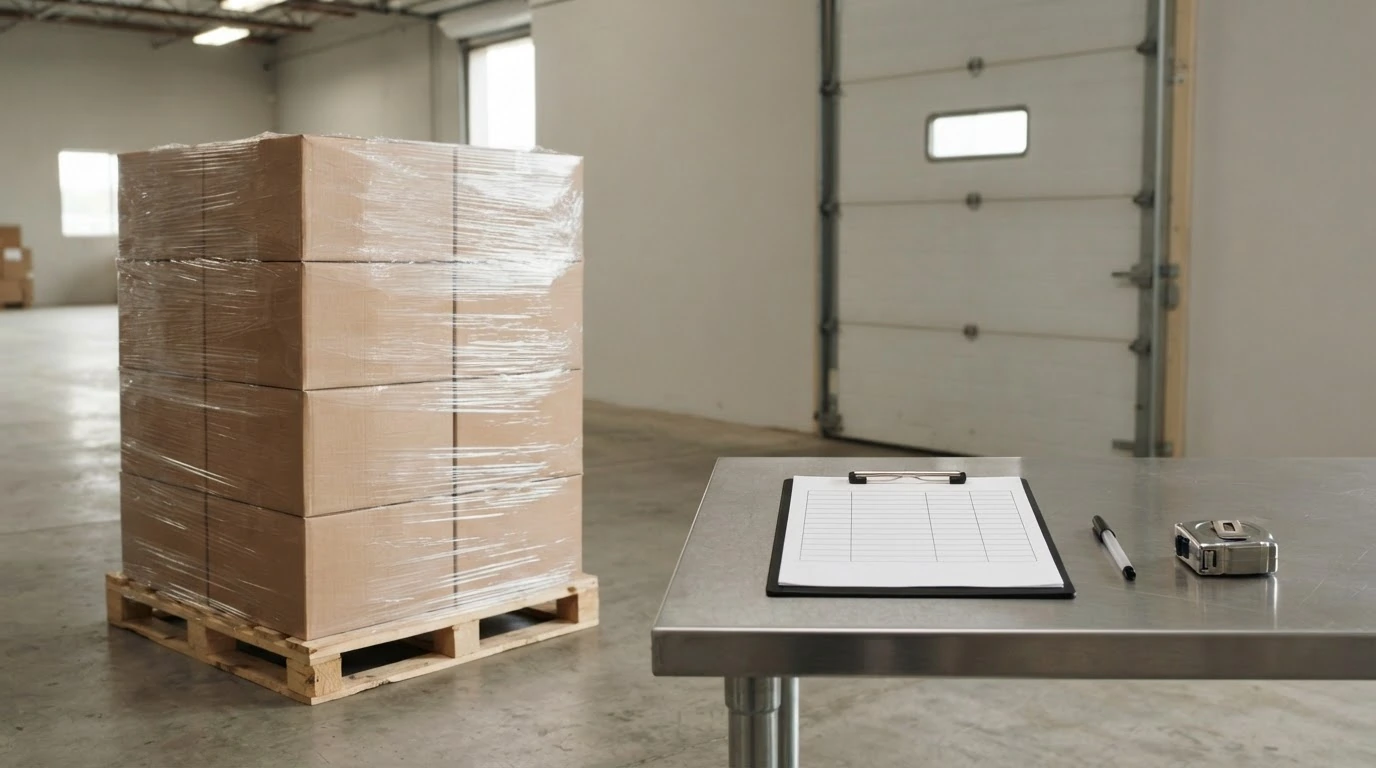
Put the NMFC item number and freight class in the commodity-detail section of the bill of lading, on the same line as the freight they describe. A standard LTL form may label the two fields NMFC No. and Class. They normally sit beside the commodity description, package or handling-unit count, packaging type, and weight.
Do not treat the two entries as interchangeable. The NMFC item number identifies the applicable commodity provision in the National Motor Freight Classification. The freight class is the rating class that applies under that item and any relevant subprovision. If the item has a subprovision, preserve it with the item number rather than entering only the broad item.
The exact column order can vary among paper forms, carrier portals, and electronic BOL systems. What matters is that the item number, subprovision when applicable, class, and commodity description remain connected to the correct freight line.
The practical field map
Use the commodity grid, not a general remarks box, as the primary home for classification data.
| BOL field | What belongs there | Why it matters |
|---|---|---|
| Commodity description | A specific description of the article being shipped, plus the applicable package description and any required markings or exceptions | The words should support the NMFC item selected rather than conflict with it |
| NMFC No. | The current NMFC item number and subprovision, when the classification has one | This points to the classification provision used for the freight |
| Class | The freight class applicable to that item, subprovision, packaging, and shipment characteristics | This is the class used in rating when the governing terms call for NMFC class |
| Handling units and package type | The count and type of pallets, crates, cartons, drums, or other units required by the form | This tells the carrier how the freight is tendered and handled |
| Weight | The actual packaged shipment weight for the line or unit requested by the form | Weight may affect rating and may also be used with dimensions to determine density |
| Dimensions | The packaged length, width, and height where the form or carrier process requests them | Dimensions help establish density and identify unusually sized freight |
Current NMFTA guidance for Item 250100 says commodity descriptions on the BOL must match the applicable tariff information, including the article, package, special markings, exceptions, NMFC item number, subprovision, and class. That is why an item number or class floating in a notes field is less useful than a complete, connected commodity line.
How to complete one commodity line
Work from the physical freight back to the document.
- Describe the packaged article accurately. Use a specific commodity description, not a vague label such as “parts,” “equipment,” or “general merchandise.”
- Confirm the current NMFC item. Look up the actual commodity in current NMFC data. An item used on an old BOL may have changed, and a similar-sounding product may fall under a different provision.
- Select the applicable subprovision. Some items split into subprovisions based on density or other characteristics. Keep the subprovision attached to the item number.
- Enter the resulting class. Do not guess the class from the item number alone. The applicable class can depend on the selected subprovision, packaging, density, and other classification rules.
- Reconcile the supporting fields. Check the handling-unit count, package type, packaged weight, and dimensions against what is actually on the dock.
NMFTA currently directs users to ClassIT+ for classification codes and notes that density should be calculated when an item’s subprovisions depend on the final density of the shipment. If you do not have a defensible item, subprovision, and class, resolve that before the BOL is released with the freight.
For a deeper classification primer, see What Is an NMFC Code?.
One line is not always enough
A single handling unit does not necessarily mean a single commodity line. A pallet can contain more than one article, and those articles may not share an NMFC item, subprovision, or class.
When separately classified articles are tendered together, preserve enough line-level detail to connect each description to its own item number and class. Do not collapse unlike commodities into one vague description merely because they share a pallet. The handling-unit count can describe the physical pallet while the commodity detail identifies what the pallet contains.
Mixed freight is especially sensitive because the applicable treatment can depend on the current NMFC rules, the construction of the handling unit, and the carrier’s governing terms. There is no safe universal shortcut such as assigning the whole pallet its lowest class, its average class, or the class used on a prior shipment. Check the current classification and the carrier’s accepted BOL format.
The same caution applies when:
- the same commodity is packaged in materially different ways;
- different item subprovisions apply to separate pieces;
- dimensions or density differ across handling units;
- an article has handling, stowability, or liability considerations;
- a carrier-specific exception or contract changes how the freight is rated.
If the portal supplies only one classification field for a shipment with multiple articles, stop and ask how the carrier or logistics provider wants the detail submitted. Do not force unlike freight into a single unsupported line.
Freight class is not a substitute for an NMFC item
Entering only a class leaves out the commodity provision that supports it. Entering only an NMFC item may leave the rating result unclear when that item contains multiple subprovisions or classes.
The two fields answer different questions:
- NMFC item: Which classification provision describes this article?
- Subprovision: Which branch of that item applies to this packaged shipment?
- Freight class: What rating class results from that classification?
This distinction matters after the broad NMFC changes that took effect in 2025. Some commodities moved to density-based structures, but density is not the only concern across the entire classification. Use the current item rather than assuming every product can be classified from pounds per cubic foot alone.
What belongs elsewhere on the BOL
The classification cells do not replace the rest of the document.
- Shipper, consignee, origin, and destination belong in the party and routing sections.
- Requested services and handling instructions belong in the fields provided for accessorials or special instructions.
- Carrier identifiers, pickup numbers, and PRO numbers belong in their designated reference fields.
- Hazardous-materials information must follow the applicable federal shipping-paper rules; it is not satisfied by an NMFC item or an LTL freight class.
For covered motor-carrier shipments, 49 CFR 373.101 requires the receipt or bill of lading to show core information including the consignor and consignee, origin and destination, number of packages, freight description, and weight, volume, or measurement when it affects the freight charges. That federal baseline does not prescribe one universal pair of NMFC columns. The classification detail comes from the applicable NMFC and the governing carrier or contract terms.
Hazardous materials require a separate level of care. Under 49 CFR 172.202, the shipping description can require the identification number, proper shipping name, hazard class or division, packing group, quantity, and package count and type in a prescribed sequence. The hazard class in that regulated description is not the same thing as NMFC freight class. A shipment can therefore need both kinds of information, but each must be entered in the correct field and format through a qualified hazmat process.
Common BOL mistakes to catch before pickup
Review the completed commodity grid against the packaged freight, not against last month’s document.
- The item number is current, but the required subprovision is missing.
- The class came from an old shipment even though the packaging, dimensions, weight, or classification changed.
- The description is too vague to support the NMFC item.
- A multi-commodity pallet is represented as one generic article.
- Weight and dimensions describe the product before packaging rather than the tendered handling unit.
- The NMFC item and class appear only in remarks and are not tied to a commodity line.
- A hazmat hazard class is mistaken for the LTL freight class.
- A special service is written into the commodity description but not requested through the carrier’s service fields.
An inaccurate line can lead to a carrier inspection, reweigh, reclassification, billing adjustment, or a request for supporting detail. Those outcomes depend on the carrier’s terms and the facts of the shipment, so a correct BOL is not a guarantee against an adjustment. It is the clearest record of what the shipper tendered and how it was classified.
If you find an error after pickup
Do not silently replace the accepted BOL. Contact the carrier or logistics provider, identify the shipment, state the original and corrected values, and follow its correction procedure. Preserve the accepted version and the carrier’s confirmation of any change. A class correction may affect charges, and a material commodity or hazmat correction can require additional review.
The best time to fix the item, subprovision, class, weight, or dimensions is before the carrier takes the freight. After pickup, the carrier controls how a corrected record is accepted and associated with the shipment.
Prepare the classification before you request rates
Gather the origin and destination ZIP codes, packaged dimensions and weight, handling-unit count, packaging type, specific commodity description, NMFC item and subprovision when known, freight class, and required accessorial services. Use the same verified details for the quote, booking, and BOL so the shipment record stays consistent.
Shipocity is backed by a team with more than 40 years of combined logistics experience. Through established industry relationships, the platform helps businesses compare competitive freight rates for their specific shipment.
Enter your freight details and price the shipment
This guide provides general operational information, not classification, hazardous-materials, or legal advice. The current NMFC, carrier tariffs, contracts, and shipment facts control.
Sources
- NMFC Changes FAQ: Updates to Item 250100 - NMFTA
- Everything You Need to Know about a Bill of Lading - NMFTA
- How to Determine Freight Classification and NMFC Codes - NMFTA
- 49 CFR 373.101: Motor Carrier Receipts and Bills of Lading - eCFR
- 49 CFR 172.202: Hazardous-Material Shipping Descriptions - eCFR