When Density Does Not Determine Freight Class
Density is one of four factors that determine LTL freight class. Learn when the NMFC overrides density and what to enter in your quote.
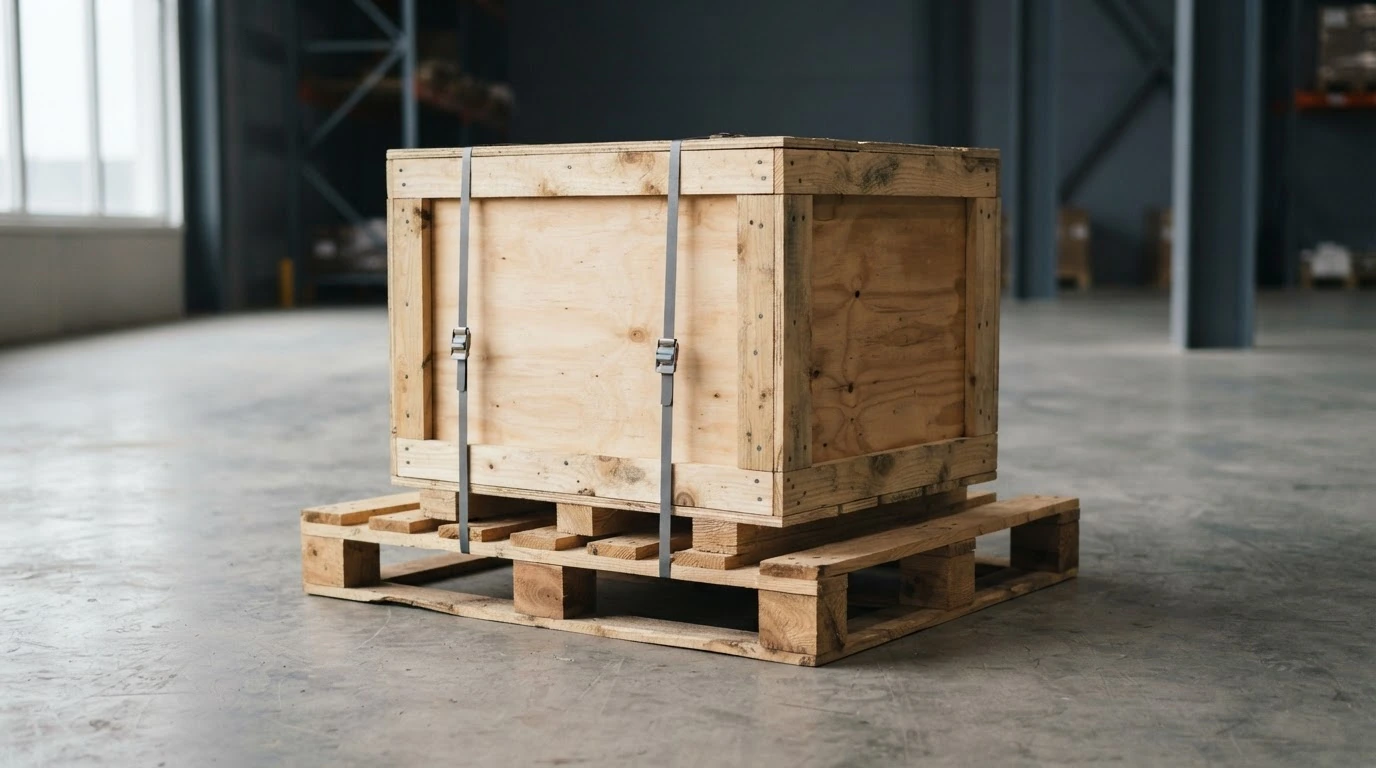
Density does not determine freight class by itself when the applicable NMFC provision reflects significant handling, stowability, or liability characteristics, uses a commodity-specific class, or contains conditions other than the standard full-density scale. The current NMFC item tells you which classification structure applies.
A density result is still useful information. It simply cannot replace the commodity lookup.
When density can be the primary factor
The Freight Classification Development Center’s current policies say density is of prime importance when a commodity or commodity group does not exhibit unusual or significant handling, stowability, or liability characteristics.
Eligible items may use the standard 13-subprovision full-density scale. In that structure, the packaged pounds per cubic foot determines which density range and class apply.
The sequence is important:
- Identify the commodity.
- Find the current NMFC item.
- Confirm that the provision uses the full-density scale.
- Measure and weigh the complete handling unit.
- Apply the class shown for the calculated density range.
Do not start with a generic chart and assume it governs every product.
When density is not enough
The current policies explain that commodities with significant handling, stowability, or liability characteristics are evaluated using the density guidelines together with those characteristics. The assigned class or classes may differ from a pure density result depending on the degree of the relevant concerns.
Other NMFC items may provide a single class, a modified density scale, packaging conditions, or subprovisions that must be applied before class is known.
This is more precise than saying the NMFC simply “overrides” density. Density may remain part of the evaluation, but it is not the only controlling information.
Handling characteristics
Handling considers how easy or difficult the commodity is to move and how that affects its transportability.
NMFTA identifies possible considerations such as size, weight, configuration, hazardous nature, fragility, and the need for special care or attention. These details do not create an automatic class increase. They help determine which NMFC provision and classification treatment apply.
Document:
- Packaging and handling-unit type
- Greatest dimensions and packaged weight
- Fragility or orientation requirements
- Unusual shape or configuration
- Hazardous-material status when applicable
- Any required special care
Stowability characteristics
Stowability concerns how effectively the commodity can be placed with other freight in transportation equipment.
NMFTA’s guidance lists possible issues including:
- Regulatory or carrier loading restrictions
- Excessive length or weight
- Protrusions or lack of lateral support
- Inability to tier the commodity
- Lack of a regular load-bearing surface for freight above it
“Non-stackable” alone is not a universal class formula. It is one physical fact that may be relevant to the governing item. Describe the handling unit honestly and read the applicable provision.
Liability characteristics
In the NMFC classification framework, liability includes susceptibility to damage, the propensity to damage other freight, perishability, and hazardous nature.
This does not mean a shipper should convert sale price, declared value, or insurance coverage directly into a class. Freight classification, legal carrier liability, cargo insurance, and declared-value terms are related operational subjects but are not interchangeable.
Use the current NMFC provision and follow any required commodity, packaging, hazardous-material, or special-care rules.
How ClassIT+ shows the distinction
ClassIT+ provides access to current NMFC items and their details. NMFTA’s classification glossary explains that a handling, stowability, and liability symbol identifies items whose classes are based on known concerns in one or more of those areas.
When reviewing an item:
- Read the complete commodity description.
- Check the item and subitems.
- Review class or density provisions.
- Follow notes, packages, and referenced rules.
- Look for handling, stowability, liability, or hazardous-material symbols.
- Confirm the effective current content rather than a proposed docket change.
If the item contains several possible classes, apply the subprovision that matches the freight as packaged and tendered.
Why a density calculator cannot decide
A calculator answers a mathematical question: how many pounds occupy each cubic foot? It does not identify the commodity or interpret its NMFC provisions.
NMFTA explicitly states that ClassIT+ calculators are for estimation and reference and do not suggest an item’s class. The calculator result should be used with the applicable current item, not in place of it.
This is especially important when:
- The item contains handling, stowability, or liability symbols
- The commodity has required packaging
- Several similar item descriptions exist
- The item uses a modified density structure
- Notes or referenced rules affect application
- The freight’s physical condition does not match the stored classification record
When the correct item remains unclear, NMFTA offers formal Classification Interpretations Assistance.
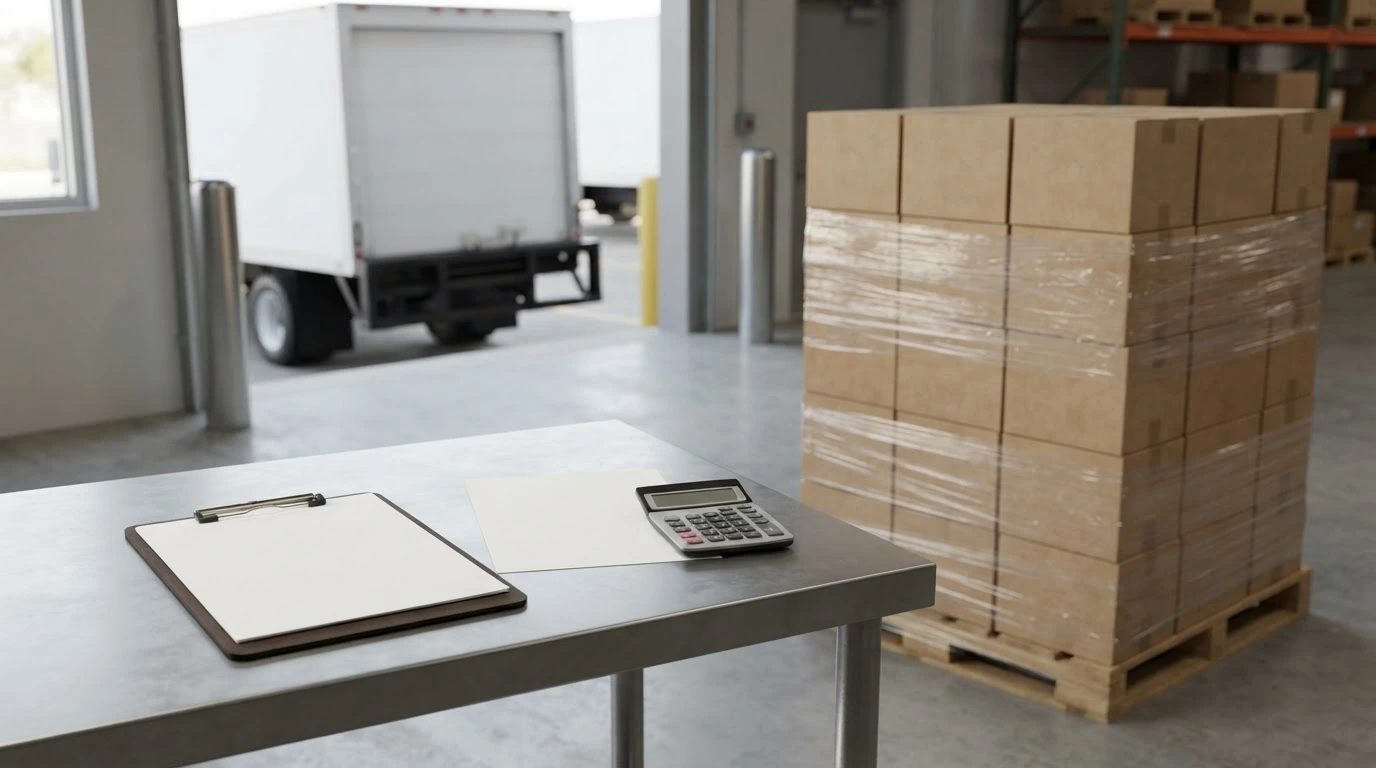
Measure the complete handling unit
Even when density is not the only factor, accurate measurements remain necessary. For a rectangular unit, use the greatest straight-line packaged length, width, and height, including projections, to determine cubic volume. Use the complete packaged weight.
Include the pallet, crate, carton, padding, wrap, corner protection, and other materials as applicable. Do not measure only the product inside.
If packaging changes after the lookup or quote, measure again and check whether the selected item, subprovision, or class still applies.
What the 2025 density changes did not do
NMFTA expanded the standard density scale and moved many eligible commodities toward full-density classification in 2025. It did not eliminate handling, stowability, and liability from the framework.
The current NMFTA FAQ states that the correct item number remains important because items with handling, stowability, or liability concerns are not necessarily full-density items.
Avoid broad predictions that the update made every dense shipment cheaper or every light shipment more expensive. A quote depends on the resulting classification and the carrier’s applicable pricing terms.
Common mistakes
Avoid:
- Treating every commodity as a full-density item
- Assuming one item number always has one class
- Adding or subtracting classes based on personal judgment
- Treating non-stackable, fragile, hazardous, or high-value as automatic class increases
- Ignoring packaging rules, notes, symbols, or referenced items
- Using product-only dimensions and weight
- Reusing an old class without checking current NMFC content
- Treating a calculator estimate as an official item lookup
The correct answer comes from the commodity provision applied to the freight as tendered.
What to prepare before requesting a quote
Gather:
- Precise commodity description
- Current NMFC item and subprovision when applicable
- Confirmed freight class
- Final packaged dimensions and weight for each handling unit
- Packaging type, handling-unit count, and piece count
- Stackability and unusual handling or stowability characteristics
- Fragility, perishability, or hazardous-material information when applicable
- Origin and destination postal codes
- Requested pickup date
- Required pickup and delivery services
Shipocity is backed by a team with more than 40 years of combined logistics experience. Through established industry relationships, the platform helps businesses compare competitive freight rates for their specific shipment.
When the classification and shipment details are ready, get a freight quote and sign up through Shipocity.
Sources
- National Motor Freight Traffic Association — National Motor Freight Classification
- NMFTA — Freight Classification Development Center policies, March 2026
- NMFTA Help Center — Handling, stowability, and liability criteria
- NMFTA Help Center — NMFC classification FAQs
- NMFTA Help Center — ClassIT+ calculators