
What Is Expedited Freight?
Expedited freight prioritizes a shipment deadline through dedicated ground, priority LTL, time-critical, or air service. Learn what to compare.
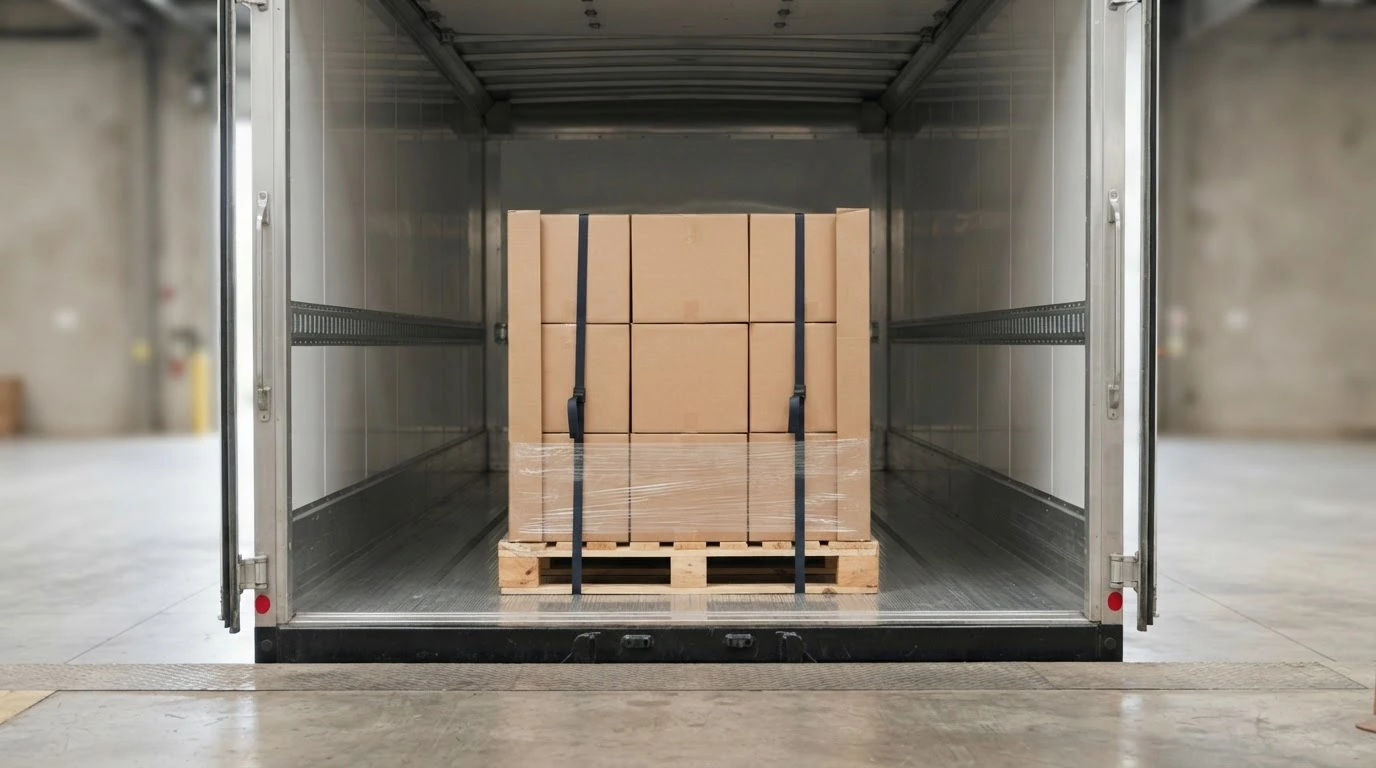
Expedited freight is a time-sensitive shipping service selected when a pickup or delivery deadline matters more than using a standard transit plan. Depending on the provider and lane, the shipment may move on an exclusive-use ground vehicle, receive priority handling in an LTL network, use a time-definite service, or move by air.
The word expedited does not create one universal operating method or guarantee. A dedicated vehicle can reduce transfers, while an expedited LTL service may still move through terminals. A quoted service may promise a specific date or time, or it may only provide a faster estimate. Confirm the actual route design, pickup commitment, delivery commitment, exclusions, and remedy before booking.
This guide focuses on business freight in North America. Carrier offerings and federal operating rules were checked against the sources below on July 22, 2026.
The main expedited freight service designs
Carrier terminology varies, but most expedited options fit one of these service designs.
| Service design | How the freight may move | Best fit | What to confirm |
|---|---|---|---|
| Exclusive-use ground expedite | One van, straight truck, or tractor-trailer is assigned to the shipment for a direct movement with no freight consolidation | A ready shipment with a firm deadline and enough ground-transit time | Vehicle size, pickup commitment, route, driver plan, delivery commitment, tracking, and special equipment |
| Expedited or guaranteed LTL | The shipment remains in an LTL network but receives priority handling or a date- or time-specific service | Palletized freight that fits the carrier’s eligible lane and service rules | Whether transit is actually shorter, the promised date or time, coverage, tender instructions, tariff terms, and exclusions |
| Time-critical multimode service | A provider selects ground, air, or a combination around the required delivery time | A deadline that may not fit one ground option | Mode, handoffs, airport cutoffs, pickup and delivery plan, total price, and which party controls each segment |
| Air expedite | Freight moves on a scheduled flight, next-flight-out service, or charter arrangement, usually with ground pickup and delivery | Long distance or a deadline that ground transit cannot meet | Flight availability, tender cutoff, dimensions, weight, security requirements, handoffs, and final-mile timing |
These are service patterns, not industry-wide definitions. For example, FedEx Custom Critical describes Surface Expedite as ground expedited service that can use exclusive-use vehicles. ArcBest describes its ground expedite service as an exclusive-use movement without interruption. Those examples support the dedicated-vehicle model, but they do not mean every service sold as expedited operates that way.
Expedited does not always mean direct or faster transit
An expedited label can refer to delivery precision instead of a dramatically shorter linehaul. Old Dominion’s Expedited Guaranteed by Noon service, for example, promises noon delivery within normal transit time in eligible areas. The freight receives priority treatment in the carrier’s network, but the published service is not described as an exclusive-use direct truck.
Estes likewise offers Time Critical Guaranteed options built around pickup, appointment, and delivery commitments. Its published service includes date-specific choices and selected time-of-day coverage. These are carrier-specific offerings with their own coverage and terms; they should not be generalized to another carrier or lane.
That distinction changes the questions a shipper should ask:
- Is the freight moving on a dedicated vehicle or through an LTL terminal network?
- Is the quoted transit merely estimated, or is a delivery date or time part of the service commitment?
- Does the commitment cover pickup, delivery, an appointment, or all three?
- What event starts the transit clock, and what tender cutoff must the shipper meet?
- Which exclusions, accessorials, and refund or credit terms apply?
A standard LTL lane can already provide next-day transit over a short distance. In that case, an expedited option may add a delivery-time commitment or priority handling rather than save a full transit day. Conversely, an exclusive-use vehicle may bypass consolidation and terminal transfers, but the promised arrival still depends on the lane, ready time, equipment, driver plan, weather, traffic, and applicable operating rules.
When expedited freight is worth considering
Expedited service is most useful when the deadline is real, the cost of missing it can be described, and standard service does not provide enough time or certainty.
Common decision triggers include:
- a replacement part needed before a production or service operation can restart;
- a retail, construction, event, or installation appointment with a narrow receiving window;
- inventory needed to avoid an imminent stockout;
- a shipment recovering from a missed pickup or another delay;
- high-value, temperature-sensitive, hazardous, or security-sensitive freight that also has a firm deadline; or
- a launch, maintenance window, or customer commitment that cannot move with a normal delivery estimate.
Urgency alone does not identify the right service. The shipment must also fit the available equipment, carrier rules, pickup window, delivery location, and special-handling requirements. Hazardous materials, temperature control, oversized freight, cross-border moves, and high-value cargo may narrow the available options or add planning steps.
A practical service-selection example
Consider a hypothetical manufacturer with one packaged replacement component ready at 2 p.m. The receiving plant needs it before the next morning’s maintenance window. The shipper knows the packaged dimensions and weight, the commodity is not hazardous, the origin has a dock, and the destination requires a delivery appointment.
The useful comparison is not simply “standard” versus “expedited.” The shipper should ask which actual services can meet the deadline:
- Check whether an eligible LTL service can accept the late ready time and commit to the appointment.
- Request an exclusive-use ground option sized to the handling unit and lane.
- Consider air only if the ground options cannot meet the deadline or the operational risk justifies the added handoffs and cost.
- Compare the pickup commitment, delivery commitment, route design, handling points, tracking process, exceptions, and total quoted charge.
If standard LTL cannot meet the appointment, the dedicated ground option may be the clearest fit. If an expedited LTL service can make the appointment under its published terms, it may avoid paying for a larger exclusive-use vehicle. The answer is shipment-specific; no mode name proves availability or performance before a carrier accepts the load.
Safety and driver-hour limits still apply
“Nonstop” and “direct” describe routing, not permission to ignore safety rules. For property-carrying commercial motor vehicles subject to the federal hours-of-service rules, the Federal Motor Carrier Safety Administration summarizes an 11-hour driving limit after 10 consecutive hours off duty, a 14-hour driving window, and required breaks and weekly limits.
A carrier may plan team drivers, a relay, or another lawful operating method for a long or difficult deadline. The shipper should provide the true ready time and delivery requirement and let the carrier confirm a compliant plan. Do not calculate an arrival by dividing route miles by an assumed constant speed, and do not treat a team-driver request as a guarantee that equipment is available.
What changes the expedited quote
The rate and service options depend on more than distance. Prepare these details before requesting a quote:
- full origin and destination addresses, including business type and access conditions;
- earliest freight-ready time, pickup hours, and required delivery date, time, or appointment window;
- number of handling units, packaged dimensions, gross weight, stackability, and packaging type;
- accurate commodity description and freight class or NMFC item when applicable;
- dock, forklift, liftgate, inside-service, limited-access, or appointment needs at each end;
- hazardous-material, temperature-control, securement, high-value, oversized, or other special requirements;
- declared value and any requested cargo-liability or security arrangements;
- cross-border parties and documents when the shipment crosses a border; and
- a working contact at both locations for after-hours or exception coordination.
Changing the ready time, delivery window, dimensions, weight, or access conditions after quoting can change the available equipment, route, and price. For a time-critical load, confirm those facts again before dispatch.
Questions to answer before booking
Use the quote as an operating plan, not just a price:
- What exact service is being quoted: exclusive-use ground, expedited LTL, time-critical, air, or a combination?
- Is pickup committed, and what happens if the freight is not ready at the stated time?
- Is delivery estimated, date-specific, time-specific, or guaranteed under written terms?
- How many transfers or handling points are planned?
- What equipment and accessorial services are included?
- Are the lane, commodity, dimensions, weight, value, and special requirements eligible?
- How will the shipment be tracked, and who handles an exception outside normal business hours?
- Which tariff, service agreement, exclusions, and refund or credit terms govern?
The phrase expedited freight is a starting point. The real decision comes from matching a verified deadline and complete shipment details to a specific service commitment.
Shipocity is backed by a team with more than 40 years of combined logistics experience. Through established industry relationships, the platform helps businesses compare competitive freight rates for their specific shipment.
When the ready time, deadline, handling units, and facility requirements are confirmed, compare expedited freight options for the shipment and continue toward booking.