What Is Cross-Border Freight Shipping?
Learn how cross-border freight works across the United States, Canada, and Mexico, including customs roles, documents, handoffs, and quote details.
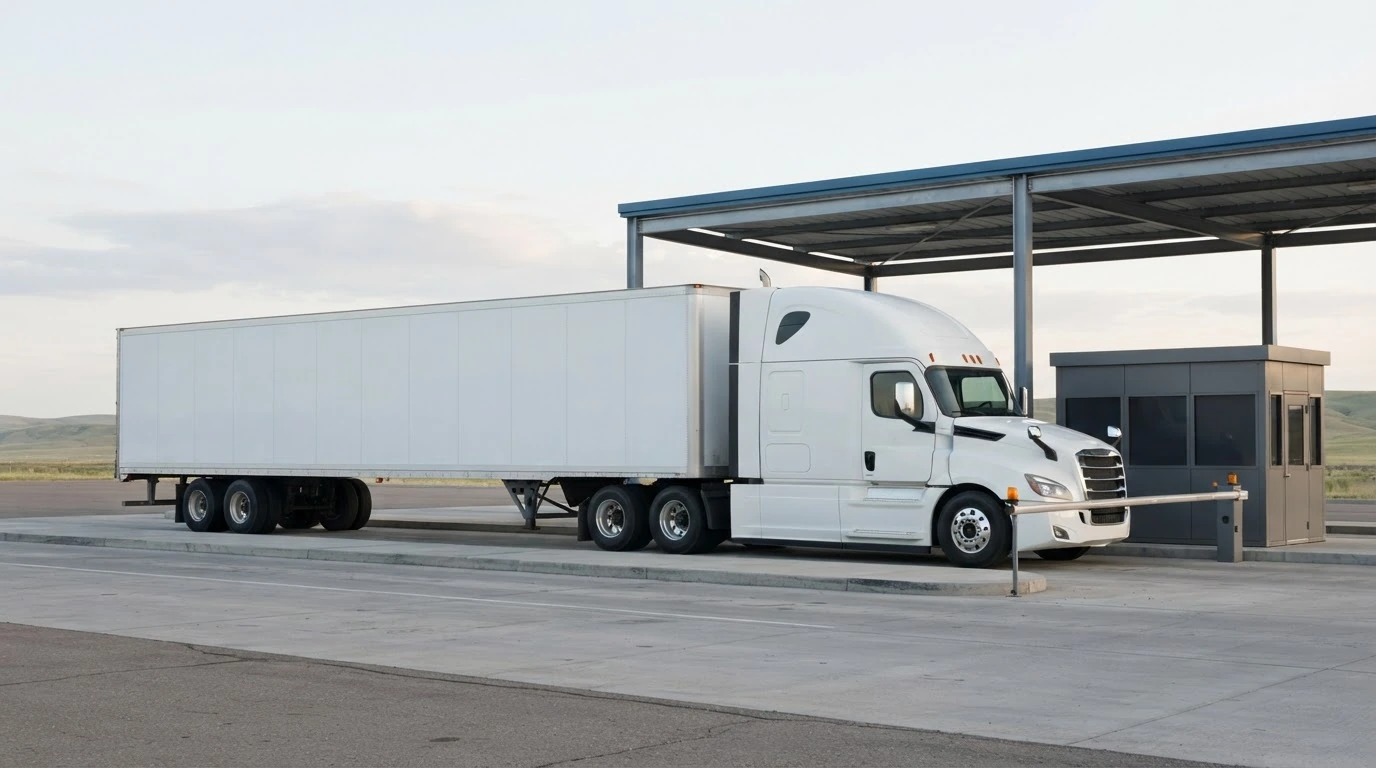
Cross-border freight shipping is the commercial movement of goods from one country into another by truck, rail, air, ocean, or a combination of modes. Unlike a domestic shipment, the freight must satisfy the importing country’s customs rules before it can enter commerce. That adds parties, data, documents, possible inspections, and border handoffs to the transportation plan.
This guide focuses on commercial freight moving among the United States, Canada, and Mexico. Regulatory details were verified on July 21, 2026. Requirements still depend on the direction of travel, commodity, value, country of origin, intended use, and agencies that regulate the goods.
What changes when freight crosses a border?
The physical freight may look the same as a domestic load, but its administrative path changes. A workable cross-border plan has to align four related flows:
- The commercial transaction: the buyer and seller agree on the goods, value, delivery terms, and which party will perform and pay for each responsibility.
- The customs entry: the responsible importer or its authorized representative supplies the classification, value, origin, and admissibility information required by the destination country.
- The transportation: one or more carriers move the freight to the port of entry, through any lawful border handoff, and onward to delivery.
- The records: the parties retain the documents and corrections required for the entry, any preferential tariff claim, and the shipment itself.
Those flows are connected, but they are not interchangeable. A bill of lading is a transportation record; it does not replace the customs data needed for an import entry. A freight carrier can move the handling unit; that does not by itself make the carrier the importer of record. A customs broker can transact customs business within its authorization; that does not transfer every legal responsibility away from the importer.
The parties and their roles
The exact arrangement varies, so identify responsibilities before pickup rather than trying to infer them after the freight reaches the border.
| Party | Typical role | Confirm before booking |
|---|---|---|
| Seller or exporter | Supplies the goods and accurate commercial information; completes export requirements assigned to it | Product description, quantity, value, origin information, export controls, and agreed delivery terms |
| Buyer or consignee | Receives the freight and may be the importer | Delivery location, receiving hours, importer role, tax or account registrations, and payment responsibilities |
| Importer of record | Makes or supports the entry and remains accountable for required import information and obligations | Identity, registration, bond or security needs, tariff classification, valuation, origin, admissibility, duties, taxes, and records |
| Customs broker | Acts as an authorized customs intermediary within the destination country’s rules | Country and port coverage, power of attorney or delegation, data cutoff, fees, and which filings it will handle |
| Carrier or freight provider | Moves the freight and exchanges required shipment or cargo data | Mode, border crossing, equipment, handoffs, tracking, document cutoff, and delivery service |
For U.S. imports, CBP says an importer is not legally required to hire a customs broker, although many do. The importer remains responsible for knowing the requirements and ensuring compliance even when a licensed broker files on its behalf (CBP broker guidance).
Canada follows the same important accountability principle. The Canada Border Services Agency says an importer may prepare its own release and accounting documents or authorize a licensed broker, but the importer remains responsible for the accounting documentation, duties and taxes, and later corrections involving classification, origin, or valuation (CBSA licensed-broker guidance).
How a cross-border freight shipment generally works
1. Define the lane and responsibility map
Record the origin, destination, country of export, country of import, intended port of entry, shipment mode, and requested delivery date. Then state which entity will be the importer of record and which parties will handle export filings, customs entry, duties and taxes, brokerage, and final delivery.
Do not use a trade term as a substitute for a responsibility map. Put the agreed term, named place, and version in the commercial agreement, then verify that the operating instructions given to the broker and carrier match it.
2. Identify the goods precisely
Prepare a plain-language commodity description that says what the goods are, what they are made of, what they are used for, how many units are included, their value, and their country of origin. Determine the applicable customs classification with qualified help when needed.
Food, plants, animals, chemicals, medical products, vehicles, batteries, hazardous materials, defense-related goods, and other controlled products can require additional permits, declarations, markings, packaging, or agency review. The current CBSA commercial-import hub, for example, separates customs classification, valuation, origin, and tariff resources from other government import requirements (CBSA commercial imports). A transportation quote is not an admissibility ruling in Canada, the United States, or Mexico.
3. Confirm the importer and customs setup
The responsible party should confirm its destination-country registrations and broker authorization before the carrier’s document cutoff.
For commercial imports into Canada, CBSA’s current import hub says the importer needs a business number and an import-export program account before importing goods. It also directs commercial users to current resources for CARM, classification, valuation, origin, release, accounting, payment, and other government requirements. A shipper should verify its own current account and authorization setup rather than assuming a broker’s account covers the shipment (CBSA commercial imports).
For imports into the United States, confirm the importer identity, entry type, broker authorization when one is used, and any required customs bond or agency filing with CBP or qualified customs personnel. Requirements are shipment-specific; a past entry is not proof that the next commodity or value can use the same process.
4. Build one consistent document and data set
Common records can include a commercial invoice, packing list, bill of lading, entry data, permits, and supporting origin information. Their labels and legal sufficiency vary by country and shipment. The key operational control is consistency.
Before tender, compare at least these fields across the records:
- buyer, seller, importer, consignee, and ship-to names and addresses;
- detailed commodity description, quantity, packages, and weights;
- transaction value, currency, and valuation support;
- tariff classification and country of origin;
- marks, package identifiers, and bill-of-lading references;
- delivery terms and the party responsible for duties, taxes, and brokerage; and
- permit, license, or other-agency references when applicable.
A vague description such as “parts,” a value that does not match the transaction, or conflicting package counts can stop the entry even when the truck is on schedule.
5. File, move, and clear the freight
The broker, importer, carrier, or another authorized party transmits the data assigned to it. The carrier moves the freight to the planned crossing and follows the applicable cargo, driver, vehicle, and security procedures. Customs and any partner agencies decide whether to release, examine, or hold the goods.
The carrier operating plan matters especially on U.S.-Mexico lanes. FMCSA says a Mexico-domiciled motor carrier entering the United States to transport freight in commerce needs a USDOT number, an FMCSA-assigned MX number, and the applicable certificate of registration or operating authority. FMCSA also states that a Mexico-domiciled carrier may not perform point-to-point transportation within the United States. The applicable authority depends in part on whether operations remain in a border commercial zone or extend beyond it (FMCSA).
That rule does not mean every U.S.-Mexico load must use the same handoff. Confirm the actual carrier authority, equipment plan, crossing, and custody changes for the quoted service.
6. Resolve release, payment, and delivery
After the destination authorities release the goods and required financial or accounting steps are satisfied, the carrier continues to the delivery location. Keep the release status, entry references, proof of delivery, invoices, corrections, and communications together. If customs or another agency issues a request, hold, or correction notice, route it promptly to the responsible importer and broker rather than guessing at the answer.
Does USMCA remove customs paperwork or duties?
No. The United States-Mexico-Canada Agreement does not make every shipment among the three countries duty-free, and it does not eliminate the customs entry.
Preferential tariff treatment depends on whether the goods meet the applicable rule of origin and whether the claim is supported. USMCA Chapter 5 permits a certification of origin to be completed by an importer, exporter, or producer and says the certification need not follow a prescribed format, but it must contain the required data elements. It can be provided on an invoice or another document, subject to the agreement’s rules and exceptions (USTR, USMCA Chapter 5).
Practical consequence: “shipping from Canada” or “purchased in Mexico” is not enough to establish origin. Confirm the product-specific rule and supporting records before making a preference claim. If no preference is claimed or the goods do not qualify, the normal tariff and other import rules still apply.
Choose the operating design before choosing a price
Cross-border quotes can represent materially different workflows. Ask what is included rather than comparing only the linehaul number.
| Decision | Questions to ask |
|---|---|
| Door-to-door or segmented service | Who controls each leg, and who resolves a missed handoff? |
| Through trailer or transfer | Will the freight stay in the same equipment, cross-dock, or transload? How is custody recorded? |
| Truckload, LTL, rail, or combined mode | Which option fits the handling unit, timing, border plan, and delivery location? |
| Broker arrangement | Is the broker selected by the importer, seller, or service provider? Which country and entry will it cover? |
| Standard or time-sensitive service | Is the transit estimate guaranteed, and what events are excluded? |
| Duties, taxes, and brokerage | Who advances or pays each charge, and are those amounts inside or outside the freight quote? |
Estimated transit should include realistic time for document review and border processing, but no provider can promise that customs will release a shipment without review. A government hold, inspection, document correction, weather event, capacity problem, or missed cutoff can change the schedule.
What to gather for a cross-border freight quote
Prepare a shipment-specific packet before requesting rates:
- pickup and delivery addresses, postal codes, hours, and contact details;
- countries of export and import and the planned direction of travel;
- ready date, requested delivery date, and flexibility;
- handling-unit count, packaged dimensions, weight, stackability, and equipment needs;
- precise commodity description and customs classification when established;
- country of origin, declared value, and currency;
- hazardous, temperature-controlled, food, medical, battery, or other regulated status;
- importer-of-record identity and destination-country account readiness;
- customs broker contact and authorization status, if already selected;
- USMCA preference intent and origin support, if applicable;
- pickup and delivery accessorials; and
- the desired service design, including any transfer or through-trailer preference.
If a required detail is not known, label it as unresolved. That is safer than copying a value, classification, or broker instruction from an unrelated shipment.
A final pre-pickup check
Before releasing the freight, confirm that the physical load, documents, broker instructions, and carrier booking describe the same shipment. Verify the importer, port or crossing, package count, weight, commodity, value, origin, classifications, regulated status, and contact path for exceptions. Save the final versions in one record set.
For unusual, high-value, regulated, or legally sensitive goods, have qualified customs, legal, tax, or compliance professionals review the shipment. This article explains the operating structure; it is not a customs ruling or legal advice.
Shipocity is backed by a team with more than 40 years of combined logistics experience. Through established industry relationships, the platform helps businesses compare competitive freight rates for their specific shipment. When the lane, handling units, and customs responsibilities are defined, start a cross-border freight quote.
Sources
- U.S. Customs and Border Protection - Do I Need a Customs Broker?
- Canada Border Services Agency - Import Commercial Goods
- Canada Border Services Agency - Licensed Customs Brokers
- Office of the U.S. Trade Representative - USMCA Chapter 5: Origin Procedures
- Federal Motor Carrier Safety Administration - Cross-Border Operating Requirements for Mexico-Domiciled Motor Carriers