What Is a Freight Claim?
Learn what a freight claim is, what a written motor-freight claim must contain, which evidence to preserve, and how carrier-specific rules affect filing.
A freight claim is a written demand for payment made to a carrier for loss, damage, shortage, or another covered injury to cargo during transportation. For U.S. interstate motor freight, the Carmack Amendment supplies the federal liability framework, while the bill of lading, carrier tariff, service terms, and shipment facts determine how a particular claim must be presented and evaluated.
A damage notation on a delivery receipt is important evidence, but it is not the claim itself. Under the federal claim-filing rule, the written demand must identify the shipment, assert carrier liability, and request a specified or determinable amount of money. That distinction matters: reporting an exception at delivery preserves facts, while filing the claim asks the carrier for a defined remedy.
This guide focuses on commercial motor freight in the United States. Ocean, air, household-goods, international, and multimodal shipments may be governed by different contracts or legal regimes. It is educational information, not legal advice; review the current carrier terms and obtain legal advice when the amount, deadline, ownership, or liability is disputed.
What a freight claim is not
Several actions can occur around the same shipment problem, but they are not interchangeable.
- A delivery exception records what the receiver observed, such as visible damage or a missing handling unit. Federal rules state that a damage or shortage notation, standing alone, does not satisfy the minimum requirements for a cargo claim.
- An invoice dispute challenges a transportation charge. It does not automatically seek payment for damaged or missing goods.
- Cargo insurance is a separate contractual source of protection. An insurance claim and a carrier-liability claim can involve different parties, coverage, exclusions, and procedures.
- A customer refund or replacement is a commercial decision between a seller and buyer. It does not by itself establish what a carrier owes.
- A lawsuit is not the same as the written claim submitted to a carrier. Federal law treats the claim-filing period and the period for bringing a civil action as separate deadlines.
Identifying the right process early helps prevent a well-documented delivery problem from being sent through the wrong channel.
When a freight claim may arise
The familiar claim categories describe the condition of the shipment, not a guaranteed outcome:
- Loss: all or part of the shipment was not delivered.
- Shortage: the delivered quantity is less than the quantity tendered, subject to what the shipping and receiving records establish.
- Visible damage: damage or disturbed packaging can be seen at delivery.
- Concealed damage: damage is discovered after the outer packaging is opened or removed.
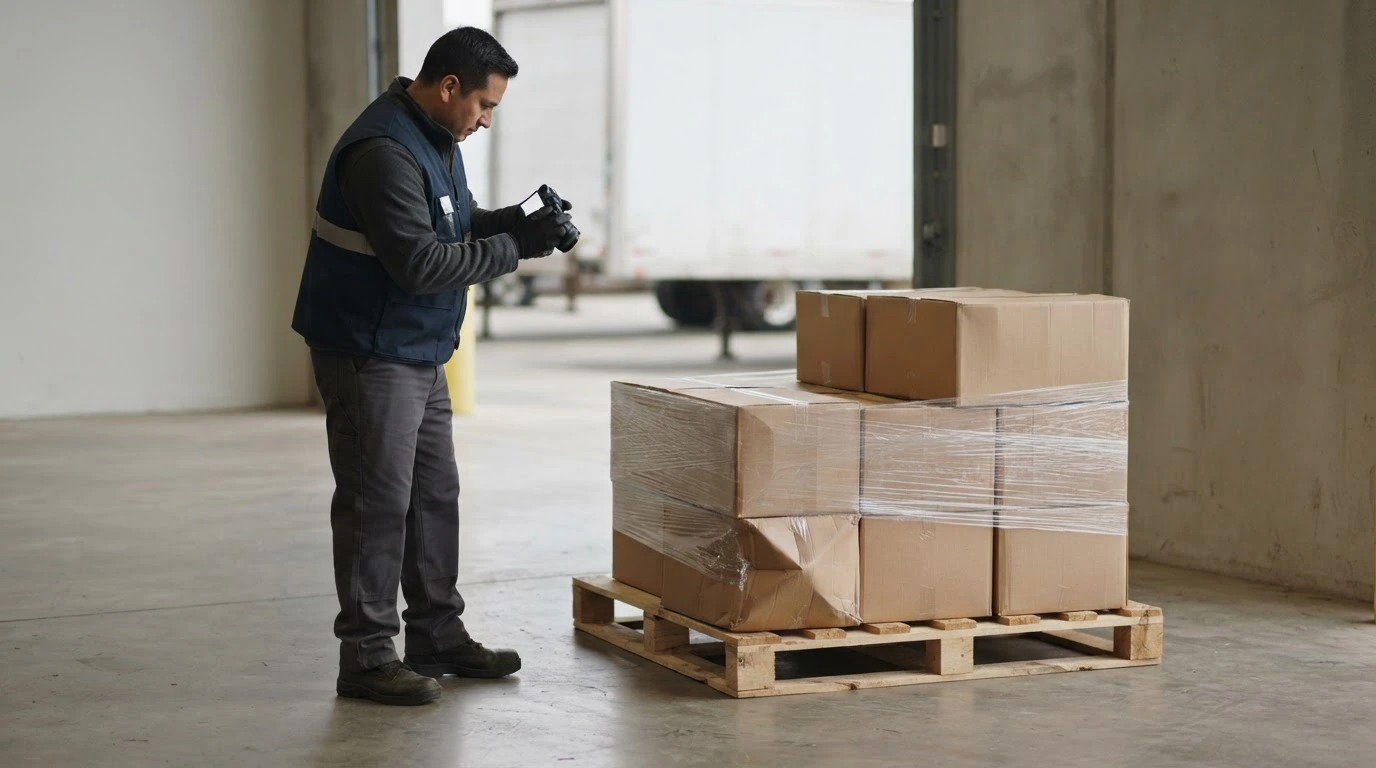
The category affects the evidence available and the carrier instructions that apply. For example, a receiver can record visible damage on the delivery receipt immediately. Concealed damage requires prompt notice and preservation of the product and packaging so the carrier can evaluate when and how the damage may have occurred. Do not assume a universal concealed-damage notice period; check the governing carrier terms for the shipment.
A claim is not approved merely because freight was damaged. The carrier investigates the transportation record, value evidence, packaging, delivery condition, contractual liability limits, and any defenses or exclusions that apply. Likewise, a clean delivery receipt does not make later-discovered damage impossible, but it can leave fewer contemporaneous facts for the investigation.
Which rules and deadlines apply?
For property transported by a motor carrier under the relevant federal jurisdiction, 49 U.S.C. 14706 addresses carrier liability under receipts and bills of lading. The statute says a carrier may not set a period of less than nine months for filing a claim under that section. It separately prohibits a period of less than two years for bringing a civil action, measured from written notice that the carrier disallowed all or part of the claim.
Those are federal minimum periods, not permission to wait. The carrier’s bill of lading, tariff, or contract may set the operative filing procedure and deadline, and the triggering date can depend on whether the shipment was delivered. FedEx Freight, for example, currently tells customers that claims for damaged or missing contents may be filed up to nine months from the shipment date. Other carriers or services may state their rule differently.
File promptly after discovering a problem. Prompt action helps preserve photographs, packaging, delivery records, video, witness recollection, and access to the freight. If the deadline or governing law is unclear, do not rely on a general article; check the shipment contract and get qualified advice.
What a written claim needs to do
For claims within 49 CFR Part 370, the minimum filing rule is concise. The written communication must:
- Contain enough facts to identify the shipment.
- Assert liability for the alleged loss, damage, injury, or delay.
- Demand payment of a specified or determinable amount.
That means a receiver’s notation, inspection report, damage photograph, or internal incident ticket may support a claim without constituting the claim by itself. Use the carrier’s current form or portal when available because it organizes the requested information, but make sure the submission itself satisfies the governing requirements.
Record proof of submission, including the date, confirmation number, uploaded files, and the exact version of the claim. If the carrier requests more information, respond through the identified claim channel and retain the correspondence with the shipment file.
Evidence to preserve and gather
The strongest file lets an investigator connect the condition and value of the freight with the correct shipment. Depending on the facts and the carrier’s requirements, gather:
- The carrier’s shipment identifier, such as the PRO number
- The bill of lading and any shipment-specific contract or service record
- The signed delivery receipt or other proof of delivery
- The packing list and handling-unit or piece count
- Clear photographs of the freight, packaging, labels used to identify the shipment, and relevant damage
- The commercial or purchase invoice, or other reliable evidence of value
- Repair estimates or a statement that repair is not practical, when relevant
- Inspection or survey records, if an inspection occurred
- Communications with the carrier, shipper, consignee, broker, or other authorized party
- A clear calculation of the amount claimed and how it was determined
Federal investigation rules identify the bill of lading, evidence of freight charges when applicable, and invoice or other certified value evidence as documents that may be necessary. Current carrier pages add practical detail. FedEx Freight lists invoices, repair evidence, damage photographs, packing slips, and purchase orders among relevant supporting documents. UPS Supply Chain Solutions lists bills of lading, commercial invoices, packing lists, proof of delivery, inspection reports, photographs, and repair estimates, while noting that additional documents may be requested.
Preserve the damaged product and all packaging until the carrier gives instructions or the claim is resolved. UPS specifically tells claimants to retain packaging and protect cargo from further loss. FedEx Freight likewise tells customers to retain original packaging when an inspection is required. Do not repair, discard, sell, or move disputed freight in a way that destroys evidence without first documenting the condition and checking the applicable instructions.
What happens after filing
The carrier first determines whether the submission identifies the shipment, states the basis of the demand, provides a determinable amount, and was sent to the proper claim channel on time. It may then request missing records or an inspection and compare the claim with the shipment documents and delivery evidence.
An investigation can end in payment, denial, or a compromise offer. The amount requested is not automatically the amount owed. The applicable liability limit, evidence of value, repairability, salvage, mitigation, packaging, and responsibility for the loss can affect the result. Keep every response and note whether a denial is complete or partial, because written disallowance can matter to a later deadline under federal law.
If more than one party could claim an interest in the goods, coordinate before submitting overlapping demands. The federal rule anticipates conflicting claims and allows the carrier to seek proof of title or the right to recover. A shipper, consignee, billed party, broker, insurer, or authorized representative should not assume authority merely from possessing shipment documents.
A practical first-response sequence
When loss or damage is discovered, keep the response disciplined:
- Protect people and prevent additional damage to the freight.
- Record the condition, count, packaging, shipment identifiers, date, and location without altering the evidence unnecessarily.
- Note visible exceptions on the delivery record before signing when possible, without treating the notation as the formal claim.
- Notify the appropriate parties and locate the carrier’s current claim instructions, tariff, and deadline.
- Preserve the freight and packaging, gather value and transportation records, and calculate a supportable claim amount.
- Submit the written claim through the proper channel and save proof of receipt.
- Track requests, inspections, status messages, offers, and denials in one claim file.
This sequence does not decide liability. It preserves the facts needed for the carrier, insurer, customer, or counsel to evaluate the problem under the correct rules.
Prepare the next shipment with the claim record in mind
Claim prevention begins before pickup. Use accurate handling-unit counts, packaged dimensions and weight, a specific commodity description, freight class when known, declared or released value information when applicable, and required accessorial services. Keep the final bill of lading and booking records with pickup and delivery evidence. At delivery, make sure the receiving team knows who may sign, what to inspect, and where to store records and photographs.
Shipocity is backed by a team with more than 40 years of combined logistics experience. Through established industry relationships, the platform helps businesses compare competitive freight rates for their specific shipment.
For the next shipment, gather the origin and destination ZIP codes, packaged dimensions, weight, commodity description, freight class when known, and required accessorial services. Quote your next shipment with the right details.