
What Happens When the Consignee Is Unavailable?
Learn what to do when an LTL consignee is unavailable, how carrier statuses differ, and when redelivery, storage, or new instructions may apply.
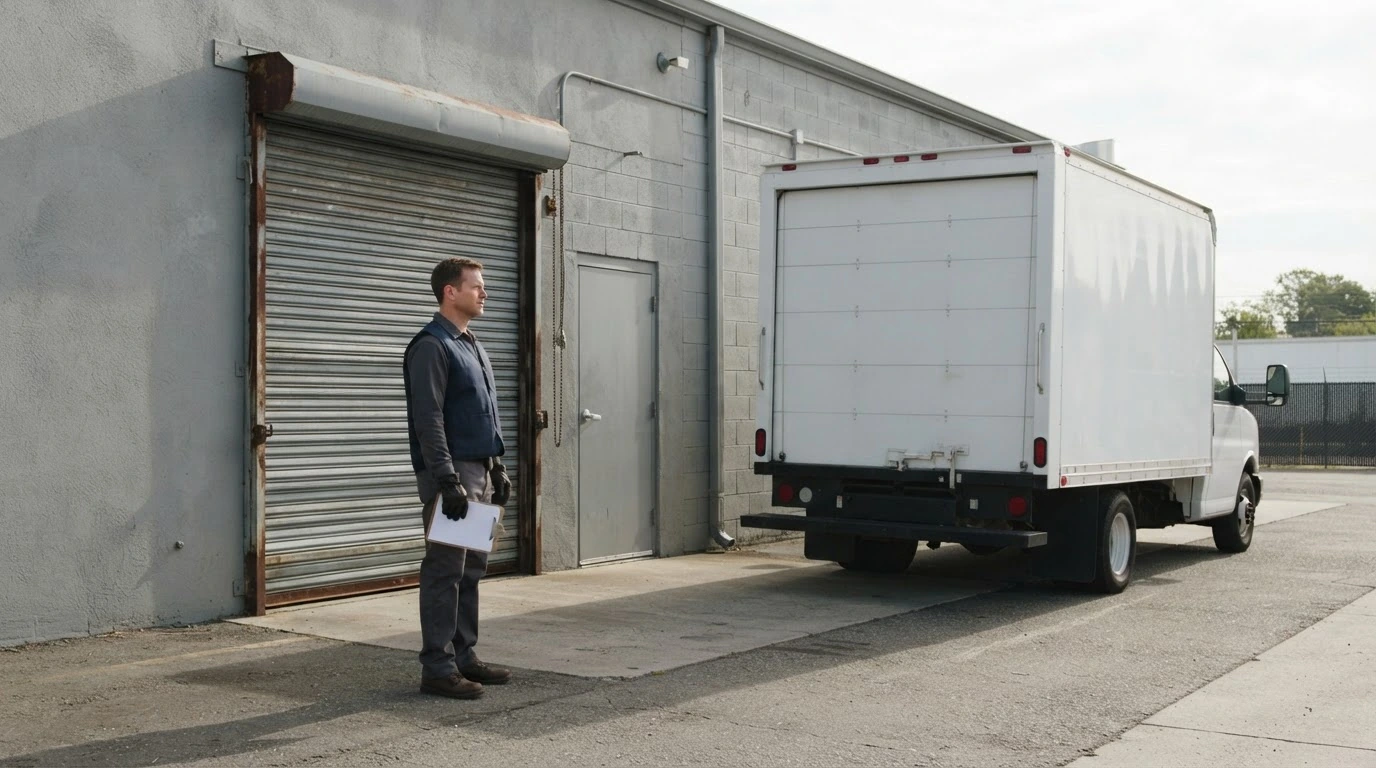
When a consignee is unavailable for an LTL delivery, the carrier usually cannot complete the stop. The shipment may return to the destination service center or remain there while the carrier waits for instructions. Before another attempt, someone may need to confirm the receiving contact, schedule a new appointment, authorize terminal pickup, or provide different delivery instructions. Redelivery, storage, detention, or reconsignment charges can apply under the carrier’s current tariff and the shipment’s pricing agreement.
The exact next step is carrier-specific. Do not assume that a second attempt is automatic, that freight can be left unattended, or that a note placed on the original bill of lading authorizes a later reroute. Treat the status as an active delivery exception and contact the carrier promptly.
First, identify what actually happened
“Consignee unavailable” is a useful summary, not a universal status definition. A receiving business may be closed, the named contact may be absent, the driver may be unable to reach anyone, or the location may not be prepared to unload. A carrier may also use a more specific status.
XPO’s published status definitions illustrate why the wording matters. Its “attempted delivery” status says the recipient could not receive the shipment and that the freight will not go back out until the consignee or shipper supplies instructions. XPO separately defines “refused delivery,” “refused for damage,” “returned to dock, no attempt to deliver,” and “undeliverable.” Those events require different responses.
Use the carrier’s actual tracking detail, not a generic interpretation:
| Status or event | What it tells you | Best first question |
|---|---|---|
| Attempted delivery; receiver unavailable | A delivery attempt occurred but the handoff was not completed | Where is the freight now, and who must request another attempt? |
| Appointment required or not confirmed | Delivery is waiting on a receiving window | Who schedules the appointment, and what is the earliest available window? |
| Returned to the service center without an attempt | The route changed, but the consignee may not have caused the exception | Is a new attempt already planned, or are instructions required? |
| Refused delivery | The recipient declined the shipment | What reason was recorded, and does the carrier need instructions from the shipper? |
| Refused for visible damage | The recipient reported a condition problem | What was written on the delivery record, and what photos or documents were preserved? |
| Undeliverable | The carrier cannot complete delivery under the current information or conditions | Which correction or disposition instruction will release the hold? |
This distinction keeps a routine scheduling issue from being handled like a refusal or a possible cargo claim.
What happens to the freight next?
The shipment commonly returns to, or stays at, the destination terminal while the exception is resolved. Official carrier materials support that general pattern but also show that the details vary.
Estes tells customers that if a shipment cannot be delivered because the recipient refuses or cannot accept it, the recipient cannot be located, or the shipper made an error or omission, Estes will try to notify the shipper that the freight is in storage and explain the unsuccessful delivery. Old Dominion’s rules tariff likewise says it will make a diligent effort to notify the shipper promptly when freight is in storage because of refusal, inability to locate the consignee, or a shipper error or omission.
From there, the practical branches are:
- Redelivery. The carrier tenders the shipment again after the required party requests the service and the receiving conditions are corrected.
- Terminal pickup or will call. If the carrier permits it, the consignee may collect the freight at the service center after identity, equipment, hours, authorization, and charges are confirmed.
- Reconsignment or diversion. The shipment is directed to another consignee or location under the carrier’s rules. This is different from simply correcting a phone number.
- Return to origin or another disposition. The shipper may instruct the carrier to return or otherwise handle freight that the consignee will not accept.
None of these choices should be presumed. Estes’ current rules tariff, for example, says that after an unsuccessful tender through no fault of the carrier, no further tender is made except on request. Old Dominion’s tariff also treats later delivery attempts as a redelivery service. The party allowed to request each action, the paperwork required, and the charges depend on the carrier and contract.
A practical response sequence for the shipper
1. Capture the shipment record
Before calling, gather the PRO number, bill of lading number, pickup or order reference, destination address, consignee contact, and latest tracking message. Save the event time and the exact status wording. If a dispatcher or service-center representative gives a reference number, keep that with the shipment record.
2. Ask the carrier for facts, not assumptions
Confirm:
- Whether a delivery was physically attempted
- The reason recorded by the driver or destination service center
- The freight’s current location and condition status
- Whether a new appointment or written instruction is required
- Which party may authorize redelivery, terminal pickup, reconsignment, or return
- Whether a storage clock has started and which tariff or pricing rule applies
- What charges must be approved or guaranteed before the next movement
Do not rely on the original bill of lading alone for post-attempt instructions. Old Dominion’s current tariff expressly says instructions issued before tender, including bill-of-lading notations, are not authority to reship undelivered freight or limit storage liability.
3. Confirm the consignee can receive the next attempt
Reach a specific person at the destination and verify the receiving date, hours, entrance, dock or unloading method, appointment number if applicable, and onsite phone number. Confirm whether the location has the equipment and staff needed for the shipment as tendered.
If the location needs a delivery appointment, make sure the service is on the shipment and ask who controls scheduling. XPO’s appointment guidance tells shippers to indicate “Appointment Required” on the bill of lading and explains that its appointment service calls the consignee to arrange the delivery. Other carriers may use a different process.
4. Choose one disposition and authorize it correctly
For redelivery, confirm the date or window, contact, access requirements, and approval for any added service. For terminal pickup, verify that the carrier will release the freight to the proposed person or vehicle and that the pickup equipment can safely handle the freight. For a new destination or return, ask for the carrier’s reconsignment procedure instead of sending an informal address change.
5. Close the loop in writing
Record who authorized the action, what the carrier accepted, the expected next status, any quoted accessorial charge, and the next follow-up time. Send the confirmed plan to the consignee and whoever is responsible for freight charges. Then watch tracking until the new instruction appears or the carrier confirms that the freight has been released for movement.
Charges that may follow a missed delivery
Several charges can arise from the same exception, but they describe different events:
| Possible charge | What usually triggers it | What to verify |
|---|---|---|
| Redelivery | Another tender after delivery could not be completed through no fault of the carrier | Rate basis, minimum or maximum, payer, and whether each attempt can be charged |
| Storage | Freight remains at a terminal because delivery or onward movement is not possible | When free time ends, how time is counted, daily basis, and release conditions |
| Detention | Carrier equipment and driver time exceed the allowed loading or unloading time | When time began, allowed free time, and whether the truck returned to the terminal |
| Reconsignment or diversion | The shipment’s consignee, destination, or routing changes after tender | Required authority, added linehaul, document changes, and service limits |
| Appointment or special delivery service | The destination requires advance coordination or a nonstandard receiving condition | Whether it was selected before pickup and whether a second service charge applies |
Do not quote a generic fee from an article. Carrier tariffs can set different conditions, timing, minimums, maximums, and payer rules, and a customer’s contract may contain exceptions. Estes’ rules connect undelivered freight with separate storage and redelivery provisions; Old Dominion publishes its own notice, redelivery, and storage rules. The current carrier tariff and shipment-specific agreement control the answer.
Edge cases that need a different response
The consignee refuses because of damage. That is not merely an absence. Preserve the precise carrier status, delivery record, photos, packaging, and communications. Ask the carrier how the freight will be held and what instructions it needs. Do not state that acceptance or refusal automatically decides a cargo claim; the facts and applicable claim rules matter.
The receiver is present but cannot unload. A missing forklift, liftgate, dock, crew, or safe access can still prevent delivery. Confirm whether the right accessorial service was requested and whether the carrier classifies the event as detention, redelivery, or another service under its rules.
The shipment is appointment-only. An estimated delivery date is not itself a confirmed appointment. Make sure the receiving window is accepted by the carrier and the consignee before staffing a dock or promising availability.
Someone asks the driver to leave freight unattended. Do not assume this is allowed. Unattended delivery requires carrier acceptance and appropriate authorization. A receiver’s absence does not by itself authorize the driver to leave the shipment.
The consignee wants to pick up at the terminal. Confirm terminal hours, release authorization, identification, vehicle type, loading assistance, and any charge before sending a driver. Freight dimensions and weight may make an ordinary pickup vehicle unsuitable.
Prevent the next consignee-unavailable exception
Before pickup, verify the delivery record with the receiving location rather than copying an old customer profile. Confirm:
- The consignee’s current name and complete delivery address
- A working receiving contact and backup contact
- Receiving days, hours, holidays, and blackout periods
- Whether an appointment is required and who schedules it
- The correct dock, entrance, gate instructions, and onsite reference
- Whether the site is commercial, residential, construction, school, government, or otherwise access-restricted
- Available unloading equipment, including whether liftgate service is needed
- The exact handling-unit count, packaged dimensions, weight, commodity description, and freight class when known
- Any purchase-order, delivery, or location reference the receiver requires
Shipocity is backed by a team with more than 40 years of combined logistics experience. Through established industry relationships, the platform helps businesses compare competitive freight rates for their specific shipment.
For the next load, prepare the origin and destination ZIP codes, packaged dimensions, weight, commodity description, freight class when known, and required accessorial services. Get a quote for your next shipment with the receiving requirements included from the start.