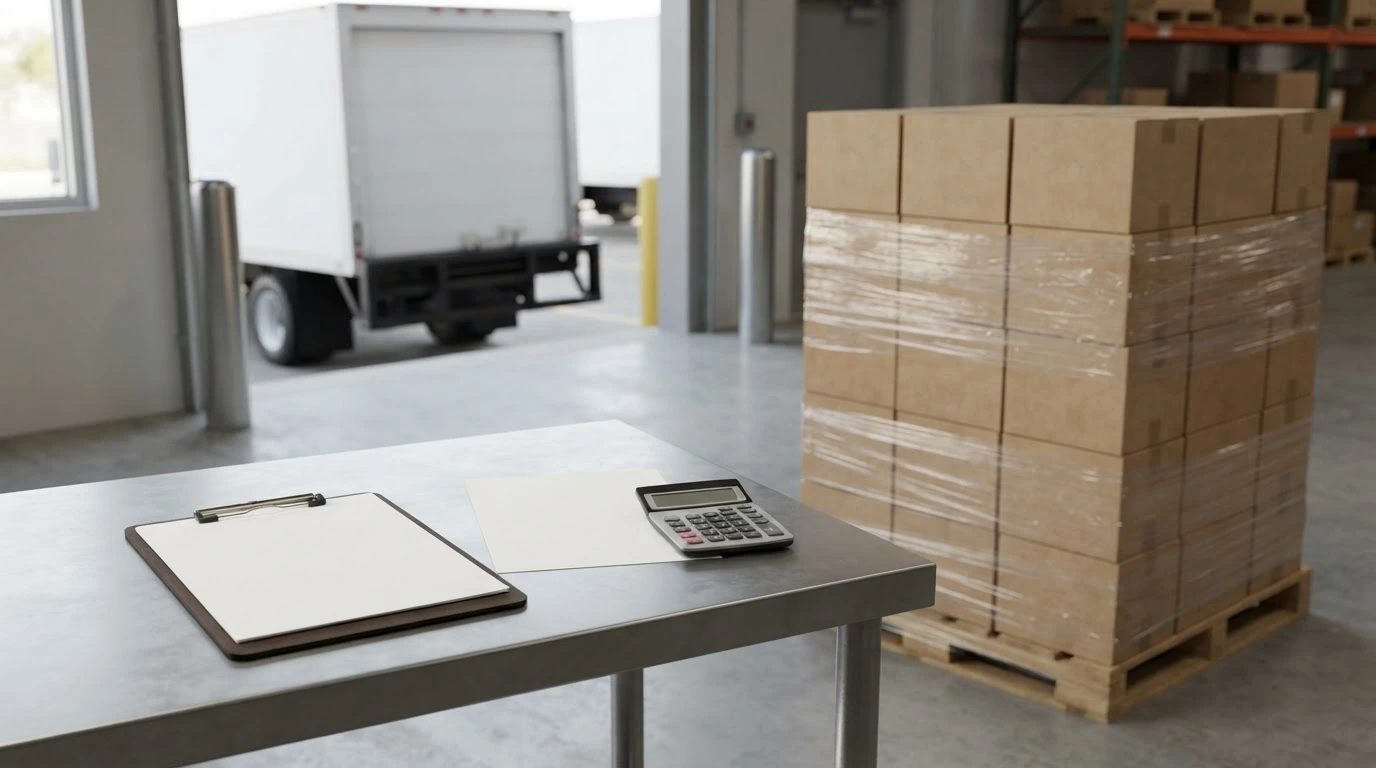
What Does Duty to Mitigate Mean in a Freight Claim?
Learn how a claimant can mitigate freight loss after damage or shortage, preserve evidence, avoid further harm, and document reasonable costs.
In a freight claim, the duty to mitigate means taking reasonable, documented steps to keep a covered loss from becoming larger after damage is discovered. Depending on the goods and the carrier’s instructions, that may mean protecting the freight from further harm, separating usable items, allowing an inspection, obtaining a repair estimate, or considering a commercially reasonable discount or salvage option. It does not require an unsafe act, unauthorized disposal, or acceptance of a carrier’s liability position.
Mitigation affects the amount of loss that can be supported; it does not by itself prove who caused the damage or what the carrier must pay. The bill of lading, applicable tariff, pricing agreement, condition of the freight, value evidence, and governing law all remain important.
This guide is scoped to U.S. commercial motor-freight claims. Parcel, household-goods, rail, air, ocean, international, insurance, and specially negotiated contract claims can follow different rules. It is educational information, not legal advice.
What mitigation does—and does not—require
The practical question is not whether the claimant made the damaged goods perfect. It is whether reasonable opportunities to prevent additional loss were identified, documented, and handled without destroying evidence or creating a safety problem.
Mitigation can include:
- moving wet cartons to a dry, secure area when that can be done safely;
- separating damaged units from intact units so avoidable cross-damage does not continue;
- retaining the goods and original packaging for the carrier’s inspection;
- obtaining a repair estimate before declaring an item a total loss;
- documenting whether intact or cosmetically damaged goods have a legitimate resale, reuse, or salvage value; and
- coordinating any sale, repair, return, destruction, or disposal with the carrier and other interested parties.
Mitigation does not mean that the claimant must:
- use damaged goods that are unsafe, contaminated, legally restricted, or unfit for their intended purpose;
- make an uneconomic repair merely because repair is technically possible;
- surrender the right to dispute liability, valuation, or a proposed allowance;
- discard the freight before the carrier has had a reasonable opportunity to inspect it; or
- let mitigation discussions replace a timely written claim.
Under 49 U.S.C. 14706, liability for covered interstate motor-carrier shipments concerns the actual loss or injury to the property, subject to the statute and qualifying agreements or liability limits. Mitigation evidence helps show what portion of the claimed loss remained after reasonable loss-reduction efforts; it is not a shortcut around the rest of the liability analysis.
Decide what to do before changing the freight
Start with safety, preservation, and control. Do not repair, sell, return, destroy, or dispose of damaged goods merely to clear dock space.
| Freight condition | Immediate response | What to preserve |
|---|---|---|
| Stable and safe to hold | Move it to a secure area, prevent additional handling, and ask the carrier whether it wants an inspection | Goods, packaging, pallet or crate, delivery record, photographs, and storage log |
| Partly damaged with usable units | Separate by condition without disturbing evidence more than necessary; record counts and locations | Unit-level inventory, photos of the separation, and the basis for any usable or salvage value |
| Potentially repairable | Obtain a qualified written estimate and compare repair cost, post-repair utility, and any residual value | Estimate, scope of work, photographs, model or part identifiers, and communications with the carrier |
| Unsafe, leaking, contaminated, perishable, or regulated | Isolate the area and follow the applicable safety, environmental, food, hazmat, or disposal rules; involve qualified personnel | Condition evidence, temperature or incident records when applicable, disposal authority, and disposal receipt |
| Refused or still in carrier custody | Give prompt written disposition instructions and keep a record of every notice | Carrier notices, storage or salvage communications, and the reason for refusal |
The current FedEx Freight 100-Y Rules Tariff, effective January 5, 2026 and revised June 1, 2026, illustrates why the governing carrier terms must be checked. Its U.S. rules address refused damaged freight, auction or salvage consequences, retention of packaging and contents, and mitigation through repair or discounted sales. Those are FedEx Freight terms for shipments governed by that tariff, not universal rules for every carrier or mode. The version in force for the shipment may also differ from the current version.
A defensible mitigation sequence
1. Record the condition before intervening
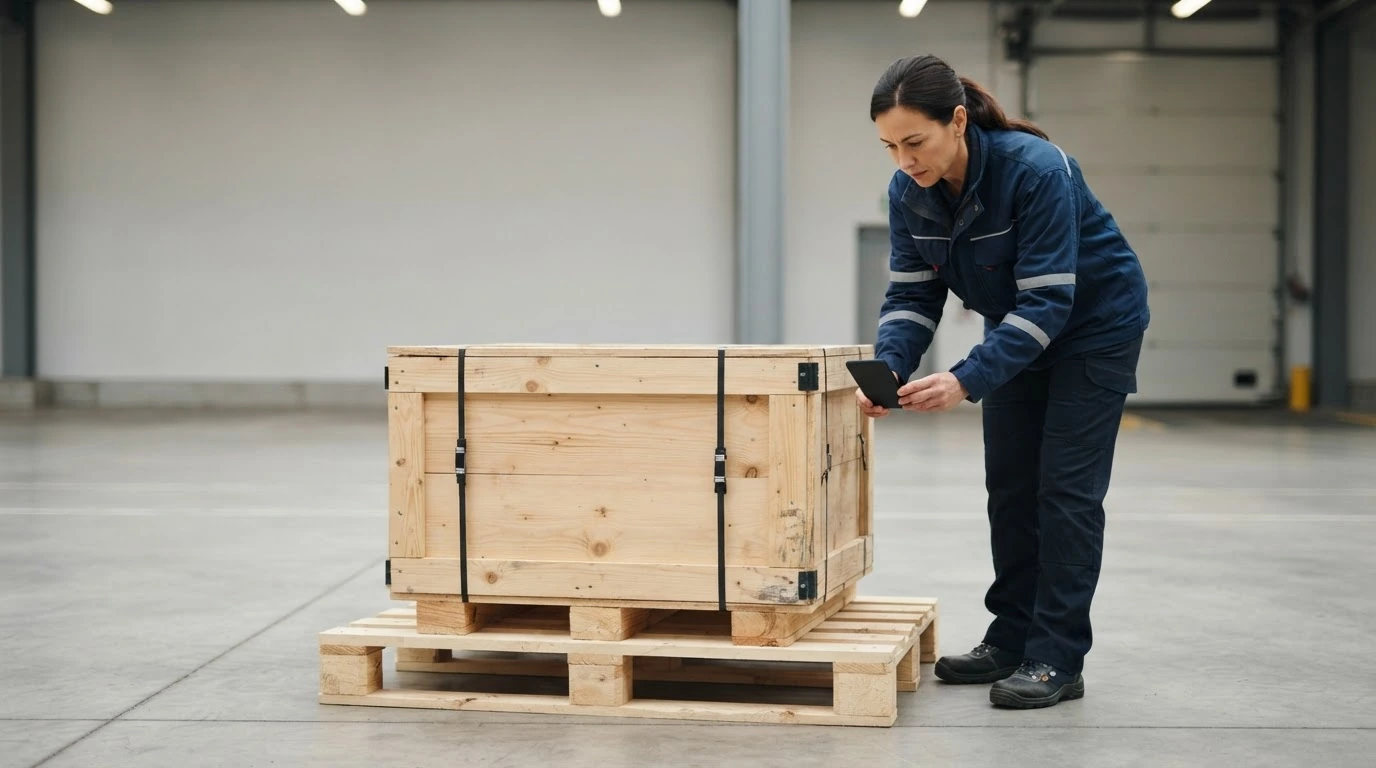
Photograph the complete handling unit, all sides of the packaging, labels needed to identify the shipment, securement, visible damage, and the surrounding delivery condition. Record the piece count and use a precise notation on the delivery receipt when loss or damage is apparent.
If immediate action is necessary to prevent further damage, document the reason, the condition before the action, what was moved or changed, who authorized it, and the result. Safety comes first, but the record should explain why the original condition could not be left untouched.
2. Notify the carrier and request instructions
Use the carrier’s current claims or inspection channel. Ask in writing whether it wants to inspect, whether inspection is waived, and what it expects the consignee or claimant to retain. Keep the carrier’s response and note any deadline it gives for disposition.
TForce Freight’s current cargo-claims guidance is a useful carrier-specific example. It says a consignee generally should not refuse a damaged shipment unless the damage has made the goods worthless, and it tells the owner to make every effort to repair, discount, or salvage damaged goods. Another carrier’s tariff or the shipment’s circumstances may call for a different response, so do not turn that example into a universal acceptance rule.
3. Prevent avoidable secondary damage
Store the freight securely and according to appropriate handling requirements. Protect it from water, heat, cold, impact, theft, cross-contamination, or additional stacking pressure as the commodity requires. Keep damaged and undamaged units identifiable.
For regulated or sensitive goods, ordinary salvage advice may be inappropriate. Food, pharmaceuticals, chemicals, hazardous materials, medical products, and safety-critical components may require quarantine, testing, manufacturer direction, governmental compliance, or controlled destruction. Do not discount or resell a product when doing so would be unsafe or unlawful.
4. Measure the realistic alternatives
Do not assume that invoice value automatically equals the supported loss. Compare the options that are actually available:
| Option | Evidence to gather |
|---|---|
| Repair | Written estimate, freight and labor needed for repair, expected condition after repair, and any loss in value |
| Keep with an allowance | Documented difference between the goods’ condition and value before and after the damage |
| Discounted sale | Actual sale record or a supportable market basis, plus reasonable selling or handling costs |
| Return to vendor or manufacturer | Authorization, credit amount, return freight, restocking or inspection terms, and resulting residual loss |
| Salvage | Written offer, inventory covered by the offer, removal costs, and net proceeds |
| No safe or lawful recovery | Qualified explanation of why repair, reuse, sale, or salvage is not permissible, plus authorized disposal records |
49 CFR 370.7 identifies records carriers may need when investigating a covered claim, including the bill of lading, freight-charge evidence, invoices or certified value information, discounts and allowances, and depreciation. A clear mitigation file connects those value records to the damaged units and to the option ultimately chosen.
5. Get disposition agreement in writing
Tell the carrier what you propose to do and give it a reasonable opportunity to respond under the governing terms. Record whether the carrier will inspect, collect, repair, sell, salvage, return, or authorize disposal of the goods. If several parties have an interest—such as the shipper, consignee, owner, carrier, insurer, or manufacturer—confirm who has authority before transferring title or possession.
Federal salvage-processing rules also matter when rejected or refused freight remains with a covered carrier. 49 CFR 370.11 requires the carrier, when practicable, to give notice to interested parties before disposing of qualifying salvage and to keep records linking the disposition and proceeds to the shipment and claim. That section describes carrier processing duties; it should not be read as blanket permission for a claimant to dispose of freight unilaterally.
6. Update the claimed amount
Show the calculation rather than stating one unexplained total. A supportable presentation generally starts with the documented value of the affected goods, then accounts for recoverable repair costs or value loss as applicable and subtracts credits, allowances, returns, or net salvage proceeds. The correct measure can differ by commodity, contract, liability limitation, and governing law.
Do not inflate the claim by including intact units or by ignoring value that was actually recovered. Conversely, do not accept a nominal salvage figure without documenting what was offered, what costs would be incurred, and whether the proposed disposition was safe, lawful, and commercially reasonable.
Keep mitigation separate from claim filing
An inspection request, salvage discussion, repair estimate, or carrier trace is not necessarily a formal claim. For claims governed by 49 U.S.C. 14706, a carrier may not set a claim-filing period shorter than nine months, but the governing documents determine the permitted period and when it begins within that statutory floor. Other modes and claims can use different rules.
File through the required channel and preserve proof of receipt. Do not assume that waiting for an inspection, a salvage bid, internal approval, or a carrier response extends a deadline. If the exact loss is still developing, obtain legal or claims guidance about how to protect the filing while accurately describing the amount.
Evidence checklist for a mitigation dispute
Keep one indexed file containing:
- the bill of lading, delivery receipt, freight bill, packing list, and invoice;
- photographs or video from delivery through final disposition;
- a unit-by-unit damage and condition inventory;
- inspection requests, waivers, reports, and carrier instructions;
- storage, handling, temperature, quarantine, or safety records when relevant;
- repair estimates and explanations of post-repair value or utility;
- discount, return, salvage, recycling, or disposal offers and receipts;
- manufacturer, safety, environmental, or regulatory restrictions on reuse or resale;
- a dated communication log showing who authorized each action; and
- a calculation that reconciles the original value, recovered value, mitigation costs, and amount claimed.
This file should let another reviewer understand both the condition of the freight and why the selected response was reasonable at the time. It should not depend on a reconstructed explanation written months later.
Common mitigation mistakes
Avoid these recurring problems:
- refusing repairable freight without checking the governing carrier terms;
- discarding the product or packaging before inspection or written authorization;
- continuing to use, move, or stack damaged freight in a way that causes new damage;
- treating unsafe or regulated goods like ordinary retail salvage;
- failing to separate intact units from damaged units in the claim calculation;
- using an unsupported percentage to estimate salvage or diminished value;
- allowing storage charges or deterioration to grow without requesting disposition;
- accepting a salvage proposal without documenting net proceeds and related costs; or
- waiting for mitigation to finish before protecting the claim-filing deadline.
For a high-value, safety-sensitive, regulated, disputed, or deadline-sensitive loss, have qualified counsel or an experienced claims professional review the governing documents and proposed disposition before evidence is altered or a deadline expires.
Prepare the next shipment for a cleaner claim record
Before pickup, record the packaged dimensions, weight, piece count, commodity description, freight class when known, value, packaging condition, and required accessorial services. Photograph the completed handling units and make sure the receiving team knows who can inspect, quarantine, and authorize disposition if damage occurs.
Shipocity is backed by a team with more than 40 years of combined logistics experience. Through established industry relationships, the platform helps businesses compare competitive freight rates for their specific shipment. When the next load is ready, quote it with complete shipment details.