What Causes Freight Reclassification?
Freight reclassification happens when a carrier corrects the class, NMFC code, weight, or dimensions you declared at quoting. Learn the common causes and how to avoid them.
Freight reclassification occurs when the class applied to an LTL shipment is changed after the original quote or shipping record was prepared. The underlying reason is usually that the documented commodity, NMFC provision, packaged density, or other classification condition does not match the information later used to rate the freight.
A reclassification is not the same thing as every invoice adjustment. A corrected weight, added service, fuel treatment, or other tariff charge may change the total without changing freight class.
Incorrect NMFC item or subprovision
An NMFC item number identifies the commodity provision. The item may contain subitems, density ranges, packaging requirements, notes, and references to other rules.
Classification can need correction when:
- The selected item describes a different commodity
- The material, form, use, or condition does not match
- The wrong subitem or density range was applied
- Required packaging or notes were overlooked
- A broad description was used instead of the applicable article description
Do not assume that one item number always produces one class. Save the item, applicable subprovision, class, packaging information, and date of the lookup.
Incorrect packaged dimensions or weight
For density-based provisions, packaged pounds per cubic foot can determine the applicable class range. That makes the measurement basis important.
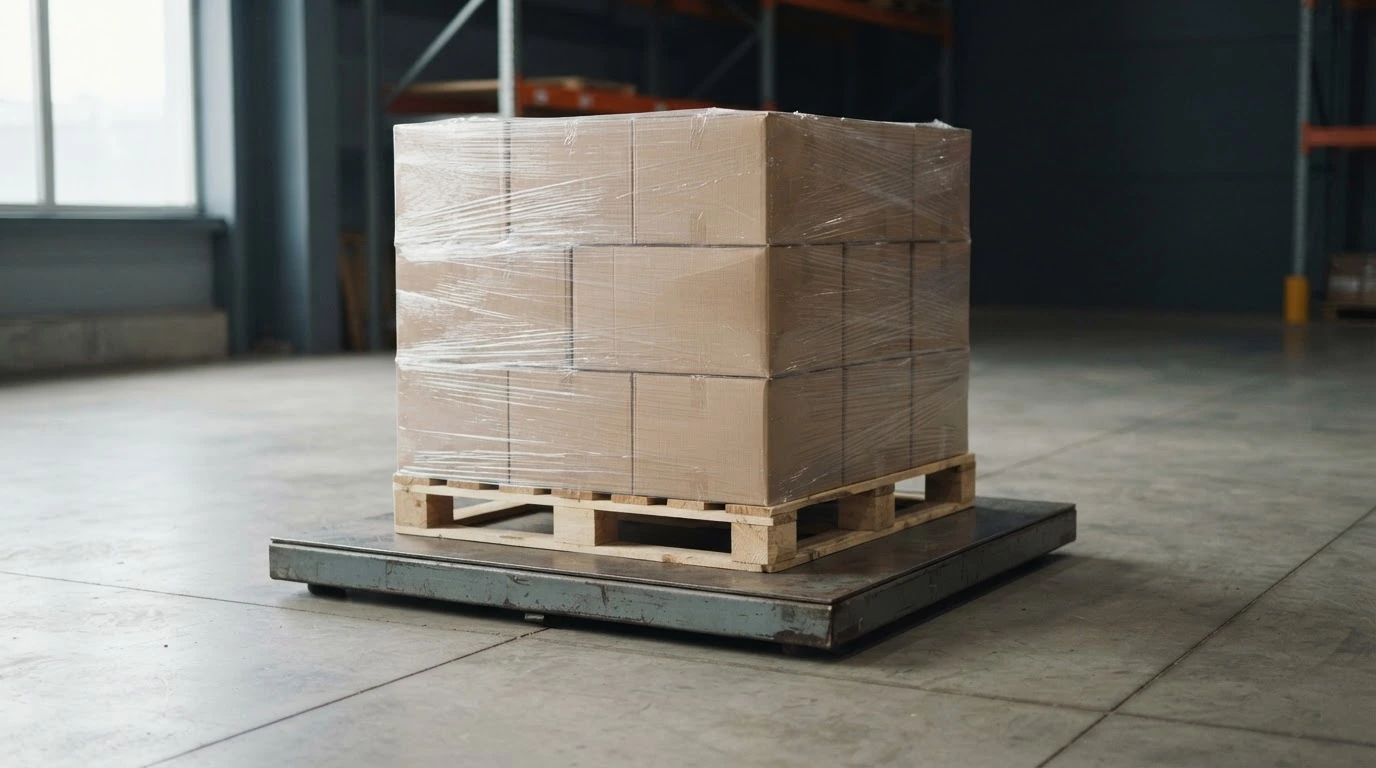
Use the complete handling unit as tendered, including the pallet, crate, carton, padding, wrap, and projections. Measuring only the product or omitting packaging weight can produce a density result that does not describe the freight.
Old Dominion’s official LTL pricing guidance notes that it reweighs shipments for load planning and invoices based on measured total weight. It also emphasizes accurate dimensions so density and freight class can be checked. Other carriers’ verification procedures and tolerances may differ, so review the governing terms rather than assuming one carrier’s process is universal.
Packaging or handling-unit changes
The commodity may remain the same while the physical shipment changes after quoting. A different crate, taller pallet, added overhang, altered unit count, or changed packaging can affect density or the conditions used to apply the NMFC provision.
Recheck classification when:
- The shipment is repalletized or recrated
- Dimensions or weight change
- Units are combined or separated
- Projections or overhang are added
- The packaging no longer matches the NMFC requirement
- Handling or stowability characteristics materially change
Do not reuse the quote-time class automatically after the handling unit has been rebuilt.
Density used where it does not control the item
A generic density chart cannot classify every commodity. Items with significant handling, stowability, or liability characteristics may use classification provisions that differ from the standard full-density scale.
NMFTA states that ClassIT+ calculators are for estimation and reference and do not suggest an item’s class. A mathematically correct density result can still be paired with the wrong class if the wrong commodity provision is used.
Identify the item first. Calculate density second when the provision requires it.
Outdated classification information
NMFTA updates the NMFC through dockets, disposition bulletins, and supplements. A class saved from an older shipment may no longer reflect effective current content.
ClassIT+ can search current NMFC data and filter by dates, supplements, or public dockets. Its “Coming Soon,” “What’s New,” and current-search views distinguish future issued changes, newly effective changes, and effective current data.
Do not treat a docket proposal as an effective classification. Check the disposition and supplement or the effective current ClassIT+ entry.
Missing commodity and package details
NMFTA’s current Item 250100 guidance says bill-of-lading commodity descriptions must match the applicable tariff and include the article, package, special markings, applicable exceptions, NMFC item number, subprovision, and class.
When those fields are incomplete or inconsistent, the shipping record may not support the class originally entered. Use the same verified information in the quote request, bill of lading or electronic record, warehouse instructions, and tender details.
Avoid descriptions such as “parts,” “equipment,” or “goods” when a more specific commodity description is available.
Carrier tariffs and exceptions
The NMFC is a voluntary industry standard. NMFTA says it should be used to assign class absent an applicable carrier tariff or other governing terms.
This means a classification difference may come from an overlooked tariff, exception, customer agreement, or other condition rather than an error in the public density chart. Review the documents that govern the selected service.
The final rate effect, any correction fee, evidence requirements, and dispute process are carrier-specific. There is no universal reclassification fee or guaranteed outcome.
Reweigh, remeasurement, and reclassification
These terms describe different actions:
- A reweigh changes or verifies the recorded weight.
- A remeasurement changes or verifies the recorded dimensions.
- A reclassification changes the freight class.
A corrected weight or dimension can lead to a different density and class when the applicable item is density-based, but it does not have to. Likewise, an invoice can change because of weight without a class change.
Read the carrier’s adjustment description carefully before deciding what needs to be reviewed.
Accessorial charges are a separate issue
Liftgate, residential, limited-access, inside, appointment, hazardous-material, and other services may affect the rate under carrier-specific rules. They do not automatically change the NMFC freight class.
If an invoice differs because a service was added, that is not necessarily a reclassification. Separate the classification question from the service-charge question before disputing either one.
How to reduce classification mismatches
Before tender:
- Describe the commodity precisely.
- Search current NMFC content for the matching item.
- Read subitems, notes, packages, symbols, and referenced rules.
- Measure and weigh the final packaged handling units.
- Calculate density if the governing provision requires it.
- Record the item number, subprovision, and class.
- Use the same data in the quote and shipping record.
- Recheck the classification if packaging or shipment details change.
Keep photographs, scale records, packaged measurements, the classification lookup, and the selected quote with the shipment file.
What to review after an adjustment
If a class change appears on an invoice or adjustment notice, compare:
- Original quote details
- Bill of lading or electronic shipping record
- Carrier-provided weight and dimensions
- Commodity description and packaging
- NMFC item, subprovision, and class used originally
- Current effective NMFC provision
- Applicable carrier tariff, exception, or pricing agreement
- The carrier’s stated reason and dispute instructions
If the evidence supports the original classification, follow the carrier’s documented review process. If the original item or inputs were wrong, correct the stored product and packaging record before the next shipment.
What to gather before requesting a quote
Prepare:
- Precise commodity description
- Current NMFC item and subprovision when applicable
- Confirmed freight class
- Final packaged dimensions and weight for each handling unit
- Packaging type, handling-unit count, and piece count
- Stackability and unusual handling or stowability characteristics
- Hazardous-material status when applicable
- Origin and destination postal codes
- Requested pickup date
- Required pickup and delivery services
Shipocity is backed by a team with more than 40 years of combined logistics experience. Through established industry relationships, the platform helps businesses compare competitive freight rates for their specific shipment.
When the classification and shipment details are ready, get a freight quote and sign up through Shipocity.