
What Are Freight Accessorial Charges?
Freight accessorial charges are supplemental fees added beyond standard pickup and delivery. Learn the common LTL categories, why carriers apply them, and how to plan for them in your quote.
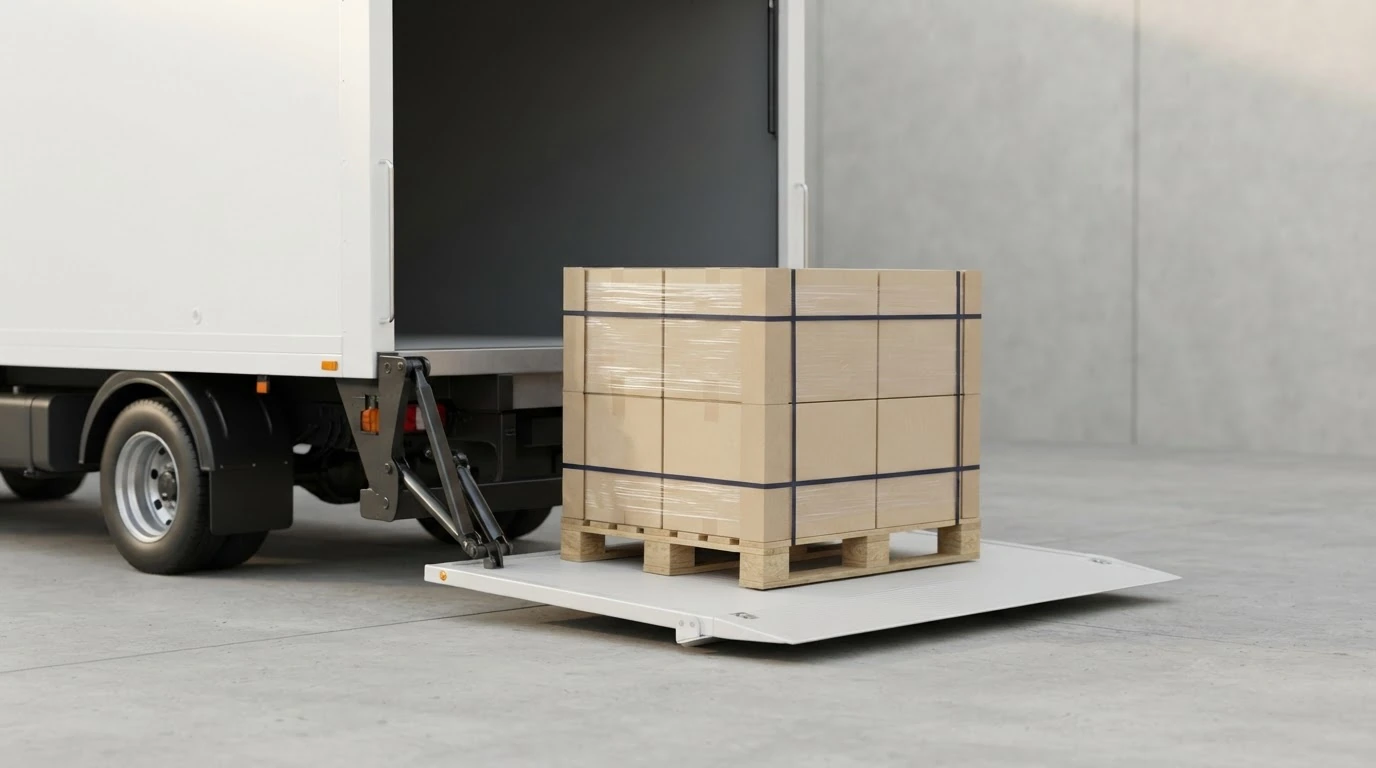
Freight accessorial charges are charges for services or shipment conditions outside the carrier’s standard transportation offering. In LTL shipping, they may apply when a stop needs a liftgate, the location meets the carrier’s residential or limited-access definition, freight must be moved beyond the standard delivery point, a driver waits beyond allowed time, or a shipment requires special handling.
The important word is “carrier.” Each carrier defines, applies, and prices accessorials under its own tariff, service guide, contract, and pricing agreement. A category that looks similar across carriers may have different triggers, exceptions, minimums, or limits.
Base transportation and accessorial service are different
The base LTL rate covers the transportation described by the carrier’s standard service and the shipment information submitted for the quote. It does not necessarily cover every action needed at pickup or delivery.
An accessorial accounts for additional equipment, labor, time, handling, location conditions, liability, or operational planning. Old Dominion describes accessorials as fees for services beyond standard service, while Estes describes them as additional services above its standard LTL offering. Both direct customers to their carrier-specific tariff or rules for the full application.
This is why the base rate alone is not enough for a useful comparison. The relevant number is the rate for the shipment and services actually required.
Common LTL accessorial categories
The following categories appear in current carrier materials, but the names and definitions below are general orientation rather than a universal tariff.
| Category | Question to answer before quoting |
|---|---|
| Liftgate pickup or delivery | Is there a suitable dock or forklift at each location, and will the handling unit fit the liftgate? |
| Residential or noncommercial service | How does the carrier classify the actual property and receiving operation? |
| Limited-access service | Is vehicle or driver access restricted, delayed, controlled, or outside ordinary commercial receiving? |
| Inside pickup or delivery | Must the freight move beyond the carrier’s standard pickup or delivery point? |
| Appointment or notification | Does the consignee require advance contact or a scheduled delivery arrangement? |
| Detention or waiting time | Can the freight be loaded or unloaded within the carrier’s allowed time? |
| Redelivery | What happens if the consignee cannot receive the freight on the first attempt? |
| Storage | Could the freight remain at a terminal beyond the carrier’s allowed period? |
| Overlength, excessive dimensions, or nonstackable handling | Does the finished unit consume unusual trailer space or require special handling? |
| Hazardous materials or protected service | Does the commodity require regulated handling, temperature protection, or another special service? |
Carrier lists can be much longer. Current ODFL and Estes materials also include services such as after-hours pickup or delivery, weekend or holiday service, trade-show handling, protect-from-freezing service, marking or tagging, photo verification, and delivery to specific facility types.
Liftgate service
A liftgate raises or lowers freight between the trailer and ground level. It commonly applies when a pickup or delivery location lacks a suitable loading dock or forklift.
That simple description does not answer every case. Liftgates have platform dimensions and weight capacities, and the shipment must be stable enough to move on and off the platform. A long, wide, heavy, or poorly balanced pallet may not be compatible even if the address has no dock.
Check both ends of the shipment. A shipper may have a dock while the consignee does not, or the reverse. Ask what equipment is actually available and suitable for the finished handling unit. For a deeper walkthrough, see when liftgate service is needed.
Residential and limited-access service
Residential and limited-access are not always interchangeable. A residence may have its own tariff item, while limited access can describe a wide range of sites with restricted entry, security checks, unusual receiving procedures, or limited operating access.
Carrier examples include schools, construction sites, military or government facilities, camps, fairs, storage facilities, utility sites, and other nonstandard locations. Those examples are not an industry-wide checklist. The carrier’s current definition controls.
Classify the property by how the carrier will encounter it, not simply by the company name or postal address. A business operating from a residence can still present residential conditions. A commercial campus can still qualify as limited access if entry or receiving is controlled.
Inside service, appointment, and notification
Inside pickup or delivery generally means the carrier is asked to move freight beyond its standard loading or unloading point. The precise boundary can vary. It may not include unpacking, assembly, placement in a particular room, stairs, elevators, or white-glove work unless the applicable service expressly says so.
Appointment and notification services are also distinct. One may require the carrier to contact the consignee before delivery, while another establishes a scheduled arrangement. Some carriers bundle or condition these services differently for residential or other location types.
Before quoting, ask the consignee what receiving process it requires and then match that need to the carrier’s actual service definition. Avoid promising a delivery window or inside placement that the quoted service does not provide.
Detention, redelivery, and storage
Detention or waiting-time charges address time beyond the carrier’s allowed loading or unloading period. The free-time allowance, when timing begins, billing increments, and exceptions vary by tariff or agreement.
The practical prevention is operational readiness. The freight, documents, dock, personnel, and equipment should be ready during the pickup window. At delivery, the consignee should know the expected shipment and have access and receiving capacity available.
Redelivery may apply when the carrier cannot complete the first delivery attempt and must return. Storage may apply if freight remains at a service center or terminal beyond the applicable period. A missed appointment can involve more than one rule, but the exact combination depends on the carrier and circumstances.
Shipment characteristics can create additional charges
Accessorials are not limited to the building at either end. The freight itself can require additional service.
Long or unusually shaped freight may trigger an overlength or special-handling rule. A nonstackable unit can consume space above the pallet that the carrier cannot use. Hazardous materials, protect-from-freezing service, blanket wrap, special equipment, or unusual delivery timing may also have separate tariff treatment.
Reweigh, remeasurement, reclassification, and corrected-bill items are sometimes discussed alongside accessorials, though carriers may categorize them differently. They arise when verified shipment facts or shipping documents differ from what was quoted or tendered. Use the complete packaged dimensions, gross weight, accurate commodity description, and applicable NMFC information from the start.
How accessorials appear on a shipment
An accessorial can enter the transaction in several ways:
- The shipper requests it when obtaining the quote or booking service.
- The shipment or location facts require it under the carrier’s tariff.
- The carrier verifies a condition that differs from the information submitted.
- An event occurs after pickup, such as extended waiting, failed delivery, or storage.
- The shipper, consignee, or another authorized party requests an additional service.
Selecting a service at quote time does not make the charge disappear. It makes the requirement visible earlier so the shipper can compare a more complete service configuration. Conversely, omitting a service does not eliminate a tariff charge if the actual conditions require it.
Who ultimately pays depends on the shipment’s payment terms, carrier rules, contract, and circumstances. Do not assume the party that requested the service is always the party billed.
How to identify the services you need
Work through the shipment from origin to destination.
At pickup
- Is the location commercial, residential, or restricted?
- Is there a dock or suitable forklift?
- Can the truck enter, turn, park, and reach the loading point?
- Will the freight and paperwork be ready during the carrier’s pickup window?
- Does the carrier need an appointment, security clearance, or special equipment?
For the freight
- What are the greatest packaged dimensions and gross weight of each handling unit?
- Is the freight accurately described and classified under current NMFC provisions?
- Is it stackable, hazardous, overlength, temperature sensitive, or otherwise special?
- Can standard terminal and delivery equipment handle the completed unit?
At delivery
- How does the carrier classify the destination?
- Is a dock or suitable forklift available?
- Does the consignee require notification, appointment, inside placement, or another service?
- Are the receiving hours, contact information, and access instructions correct?
- Can the consignee accept the freight on the first attempt?
Document the answers. A verbal assumption between the buyer, seller, and warehouse is easy to lose before the truck reaches the destination.
Compare the complete service configuration
When reviewing rates, confirm which requested services are included, how each carrier defines them, and whether the shipment fits the service’s limits. Do not compare one carrier’s base rate with another carrier’s rate that already includes a liftgate, appointment, or limited-access service.
Read the current tariff or service guide for any material condition. Accessorial amounts and definitions can change, and customer-specific pricing agreements may create exceptions to public schedules.
Shipocity is backed by a team with more than 40 years of combined logistics experience. Through established industry relationships, the platform helps businesses compare competitive freight rates for their specific shipment.
With the location, equipment, timing, and freight details confirmed, build a quote with the required pickup and delivery services.