Standard Shipping Pallet Size and Dimensions
The standard shipping pallet size is 48 × 40 inches in North America. Learn what the footprint means for measurement, freight class, and a pallet freight quote.
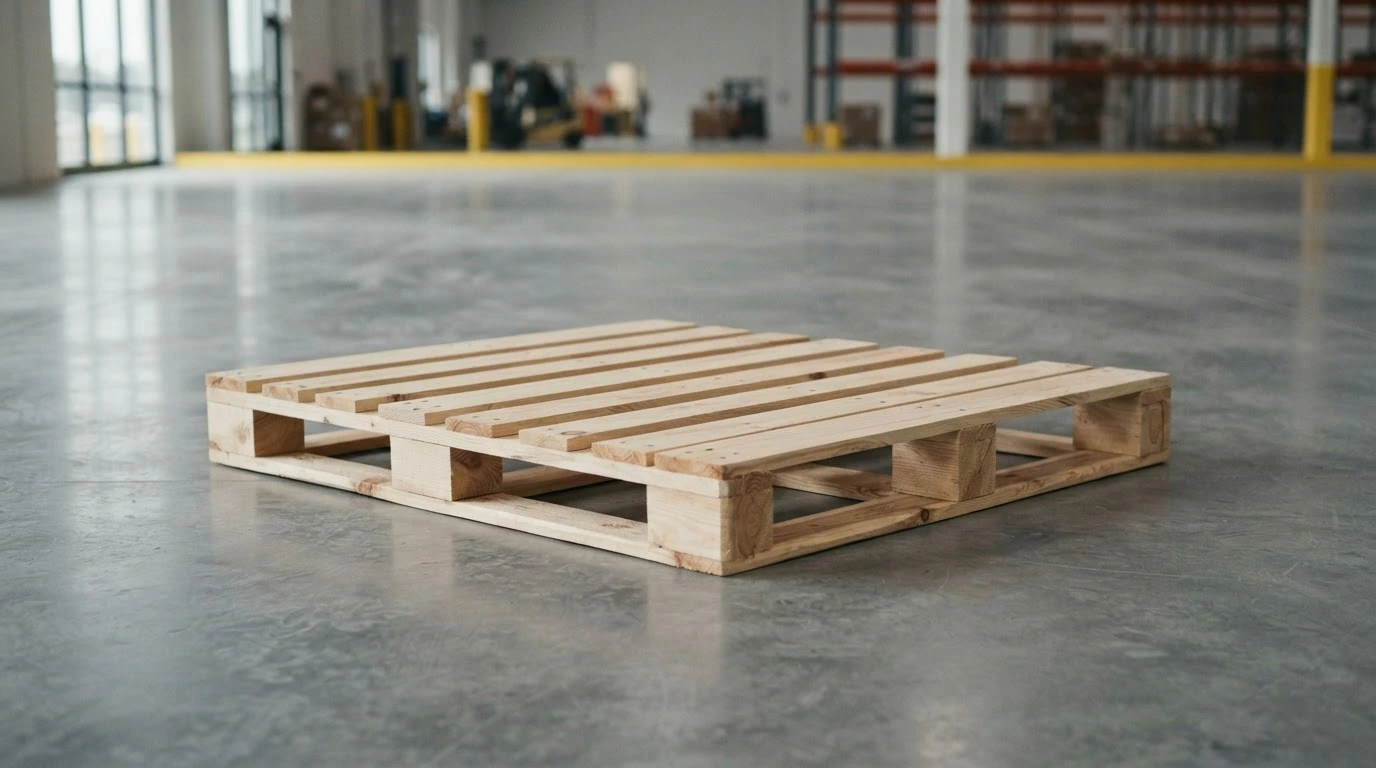
The common standard shipping pallet in North America is 48 inches long by 40 inches wide. You may also see it described as 40 by 48 inches, depending on which side is listed first. FedEx identifies the 40-by-48-inch GMA, or CBA, pallet as its recommended standard wood pallet.
That footprint is an industry convention, not a universal requirement for every LTL shipment. Other pallet sizes are used, and the correct choice depends on the product, load design, carrier, handling equipment, and recipient requirements.
Common North American pallet footprints
FedEx lists these as common sizes:
- 48 by 40 inches: the most common standard pallet footprint
- 42 by 42 inches: a common alternative
- 48 by 48 inches: another common alternative
Custom pallets and skids are also used when the commodity cannot be supported safely by a common footprint. A nonstandard base is not automatically unsuitable for LTL freight, but its actual outside dimensions and handling characteristics must be disclosed in the quote.
Do not assume a recipient will accept the most common pallet just because a carrier will transport it. Warehouses, manufacturers, retailers, and fulfillment programs may publish their own inbound requirements for footprint, entry type, construction, condition, height, and weight.
Pallet size is not load size
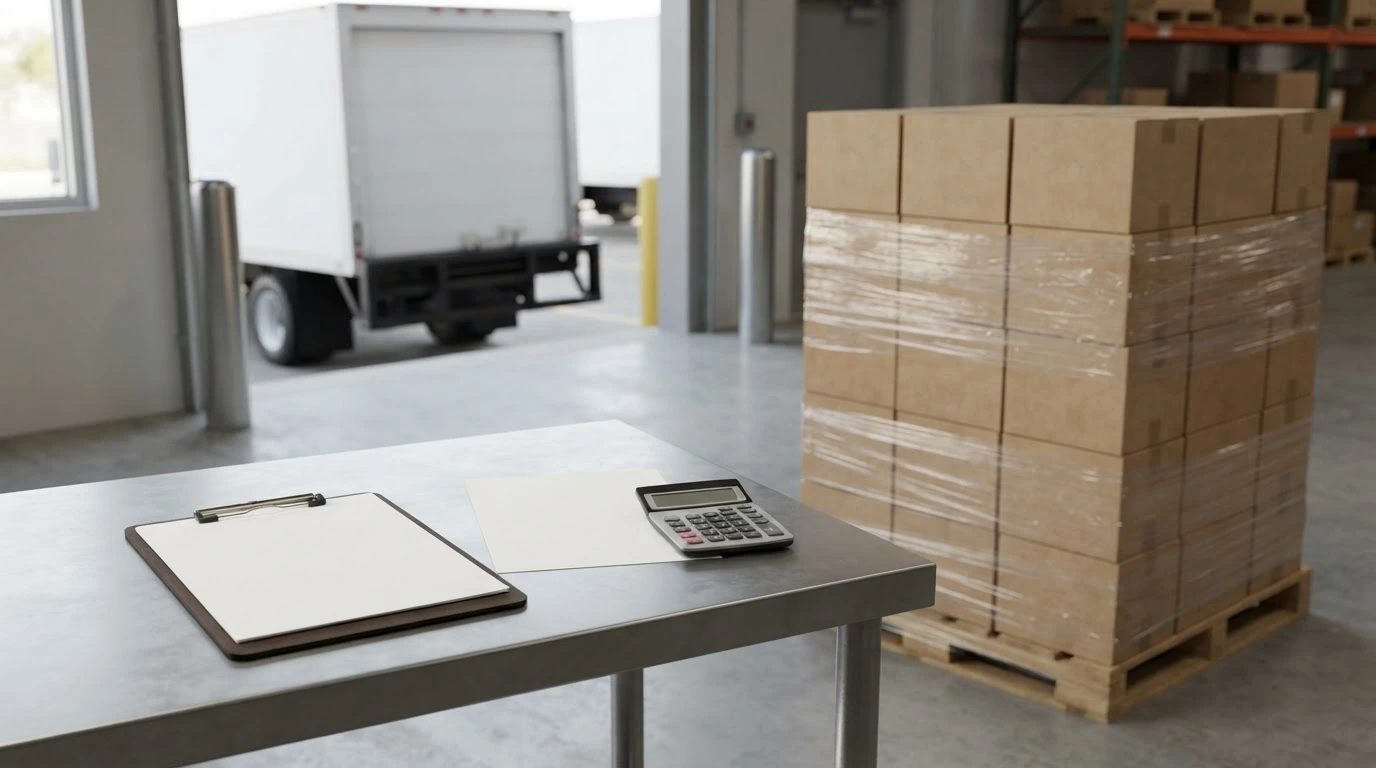
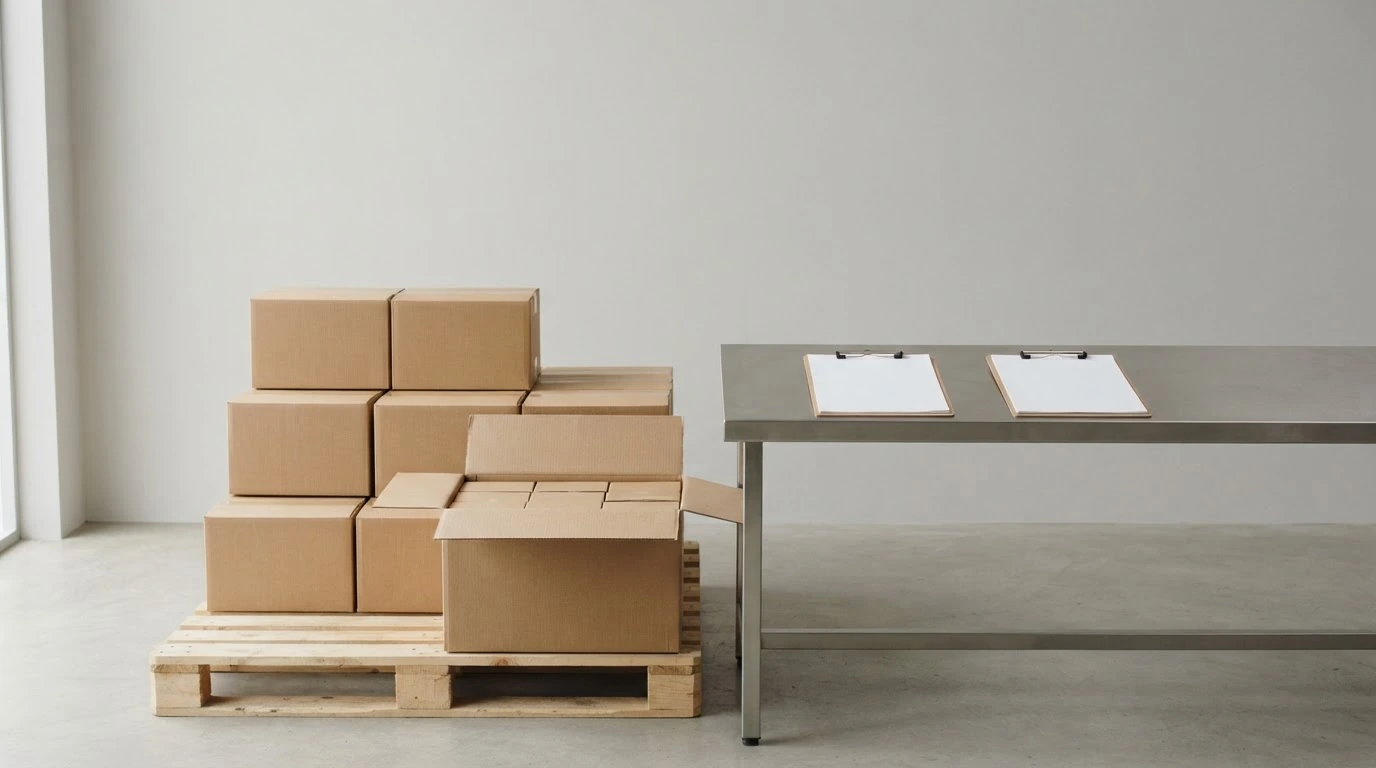
The pallet deck may measure 48 by 40 inches while the finished handling unit measures something else. Cartons, crates, edge protectors, bands, wrap, or the product itself can extend beyond the base or add height.
For a freight quote, use the greatest outside dimensions of the completed handling unit:
- Length: the longest horizontal dimension
- Width: the widest horizontal dimension
- Height: the distance from the floor to the highest point of the load
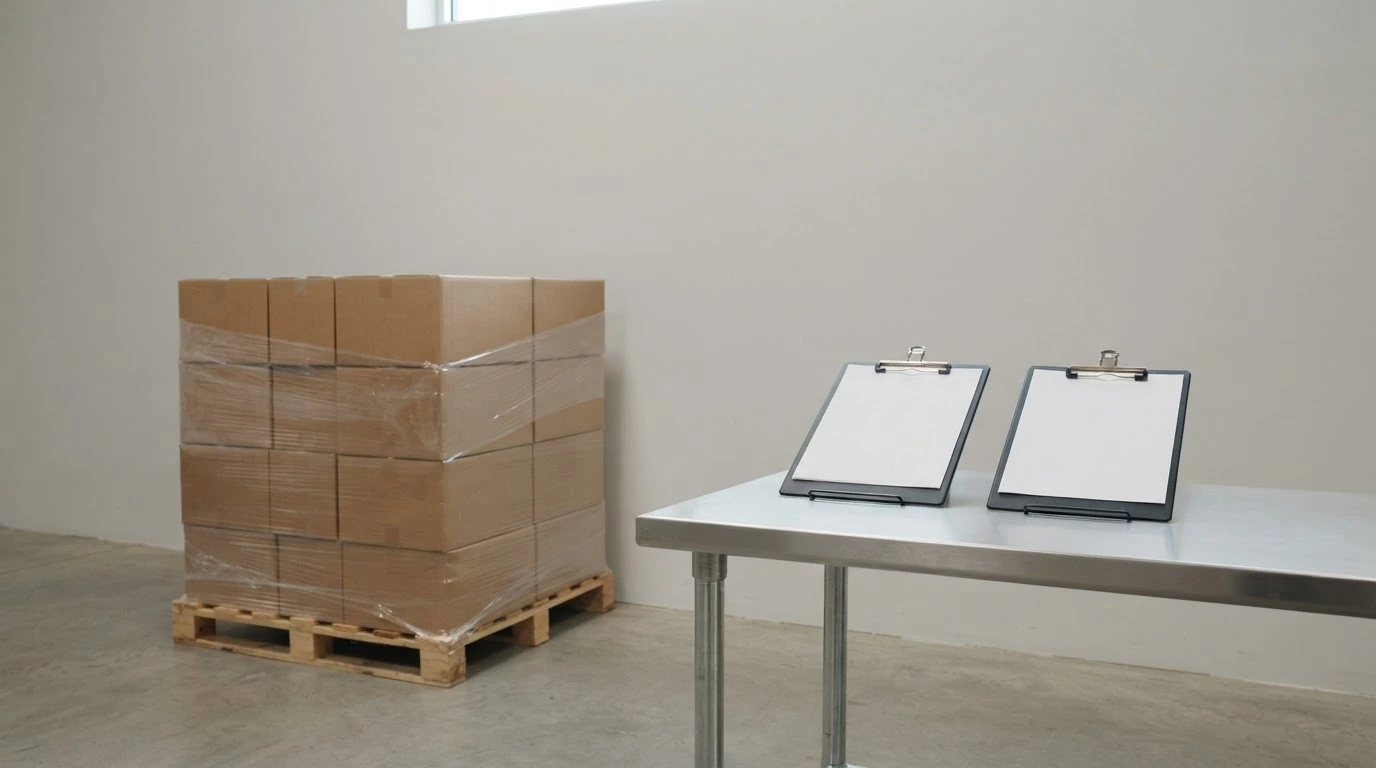
Include the pallet and all packaging. Measure projections, overhang, bowed cartons, wrap, protective corners, and anything else that occupies space as tendered.
NMFTA explains that density uses the shipment’s extreme dimensions, including packing forms such as pallets and crates. Those measurements can affect the applicable density calculation and may also affect carrier acceptance or handling.
Why orientation matters
A 48-by-40-inch pallet has two different horizontal dimensions. Record the actual length and width in the orientation used by the quote workflow rather than assuming the order is interchangeable.
The load should also be designed for the available forklift or pallet-jack entry. FedEx describes its recommended standard wood pallet as having four-way entry. Other designs exist, so confirm how the handling unit can be entered and whether that construction works with the carrier and receiving facility.
If the product requires a custom pallet, keep the supported footprint within the base where practical and disclose the actual handling-unit dimensions. Do not round a 49-inch projection back to a nominal 48-inch pallet size.
Avoid overhang and unsupported inboard loads
FedEx advises against allowing products to overhang the pallet edges. Overhang exposes the product to impact, weakens edge support, and increases the actual shipment footprint.
Placing the load well inside the pallet edges can also create problems when cartons lack support beneath their edges. FedEx recommends matching the load to the pallet and notes that both overhang and excessive inboard placement can increase damage risk.
Choose a base that:
- Supports the full weight of the packaged product
- Provides deck boards or a surface suited to the load
- Allows the required handling equipment to enter safely
- Keeps the center of gravity stable
- Supports the product without large unsupported edges
- Remains within the dimensions accepted by the carrier and recipient
Do not use a damaged pallet merely because its footprint is correct. Cracked boards, missing blocks, protruding fasteners, contamination, or previous repairs may make the pallet unsuitable for the load or destination.
There is no universal pallet height limit
The 48-by-40-inch convention describes footprint, not total loaded height. There is no single maximum pallet height that applies to every LTL carrier, service, trailer, commodity, lane, and receiving facility.
The allowable height can depend on:
- Carrier service and equipment
- Whether the finished package is designed to support freight above it
- Commodity and packaging requirements
- Center of gravity and stability
- Pickup or delivery equipment, including a liftgate when requested
- Recipient dock, doorway, rack, or inbound limits
Confirm the carrier and recipient limits before building the load. If two requirements differ, the shipment must meet every requirement that applies; following one party’s limit does not override another party’s acceptance rule.
Measure height only after the load is fully packaged. Include the pallet, top cap, corner protection, wrap, bands, and any projection.
There is no universal pallet weight limit
A common footprint does not create a common load capacity. Pallet capacity depends on material, design, condition, load distribution, support conditions, and the manufacturer’s rating. Carrier and equipment limits are separate questions.
Before loading:
- Obtain the pallet manufacturer’s applicable capacity information.
- Match the rating to how the pallet will be supported and handled.
- Distribute weight across the deck as the design requires.
- Keep concentrated loads from crushing unsupported boards or blocks.
- Confirm carrier, liftgate, forklift, dock, and recipient limits.
The quote weight must include the pallet and all packaging. Do not treat the pallet’s weight as negligible or substitute a product-only weight.
Wood, plastic, and other pallet materials
Material does not change the common 48-by-40-inch footprint, but it can change the pallet’s construction, weight, surface, entry design, capacity, reuse plan, and destination requirements.
FedEx notes that standard wood pallets and plastic pallets have different handling characteristics. Rather than assuming one material is always lighter, stronger, cleaner, or cheaper, evaluate the specific pallet design and manufacturer specifications.
Check whether the recipient requires a particular material or pallet program. A pallet that works for a domestic warehouse may not meet a customer’s inbound policy or an international destination’s wood-packaging rules.
International wood-packaging requirements
For exports from the United States, USDA APHIS tells shippers to determine whether the destination country requires ISPM 15-compliant wood packaging material. When it does, the exporter is responsible for using compliant wood packaging from an accredited program with the required treatment and official mark.
Do not create or copy an ISPM 15 mark yourself. APHIS states that the shipper must obtain compliant material through an accredited inspection program.
This requirement concerns regulated wood packaging material, not a universal pallet footprint. The receiving facility may still specify a footprint, material, or construction standard in addition to the destination’s plant-health rules.
What to enter in a pallet freight quote
Prepare these details for every handling unit:
- Actual greatest packaged length, width, and height
- Total packaged weight, including the pallet
- Pallet and piece counts
- Specific commodity description
- NMFC item, subprovision, and freight class when known
- Pallet or package type
- Whether the completed package is designed to support freight above it
- Origin and destination ZIP codes
- Pickup date
- Hazardous-material status, if applicable
- Pickup and delivery location conditions
- Required services, such as liftgate, appointment, or inside service
Do not enter 48 by 40 simply because the load sits on a standard pallet. Measure the completed freight and use the dimensions the carrier will actually encounter.
Standard pallet checklist
Before requesting a rate:
- Confirm that 48 by 40 inches or another footprint suits the product.
- Verify carrier and recipient acceptance.
- Check pallet condition and manufacturer capacity information.
- Support the full load without overhang or unstable inboard placement.
- Finish packaging before measuring and weighing.
- Record the greatest outside dimensions.
- Include the pallet and packaging in total weight.
- Verify export wood-packaging requirements when applicable.
- Make the quote and bill of lading match the physical handling unit.
Get a shipment-specific pallet quote
Shipocity is backed by a team with more than 40 years of combined logistics experience. Through established industry relationships, the platform helps businesses compare competitive freight rates for their specific shipment.
Get a freight quote and sign up with Shipocity when the pallet’s finished dimensions and weight are ready.