How to Prepare Furniture for Freight Classification
Steps to prepare furniture for the right LTL freight class: identify the NMFC item in ClassIT+, measure the packaged shipment, and avoid reclassification.
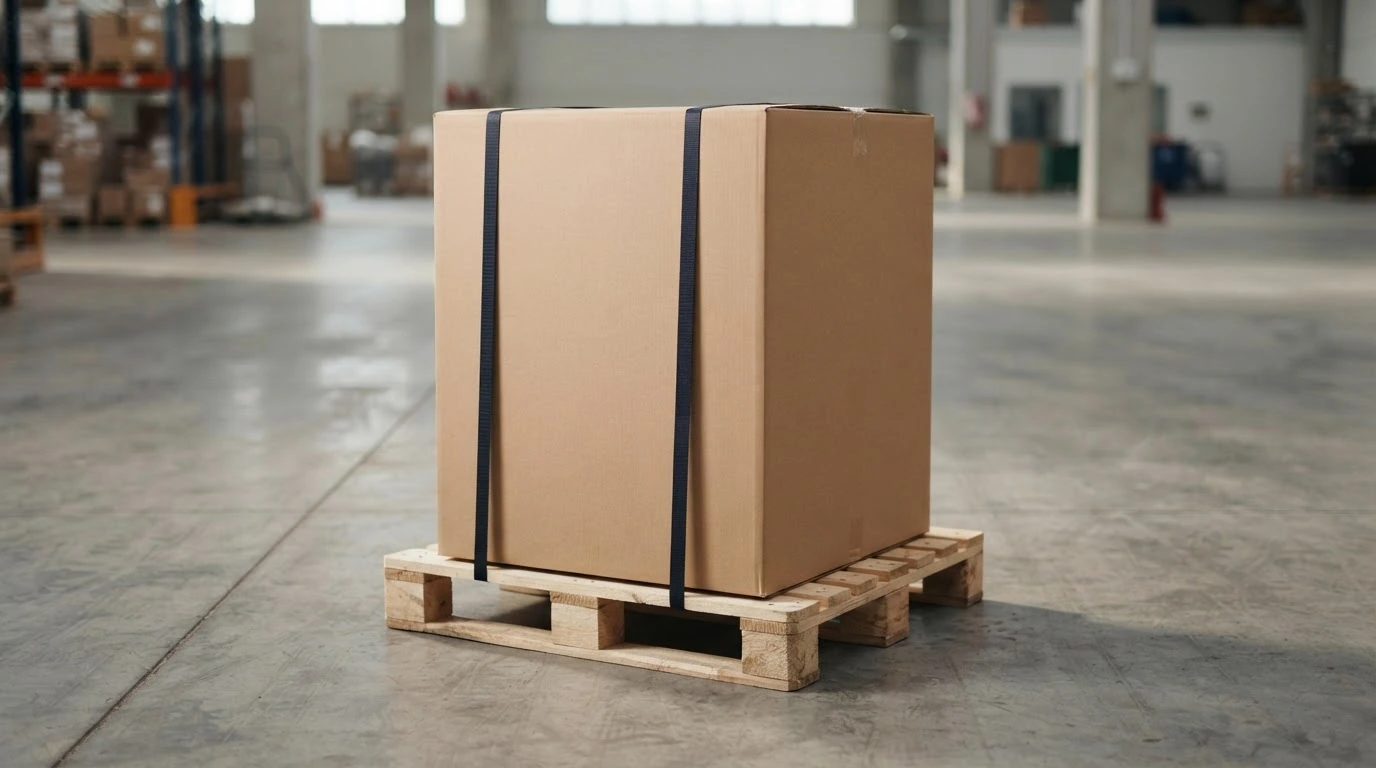
Preparing furniture for freight classification starts with identifying exactly what is being shipped and how it will be tendered to the carrier. Record the article, construction materials, shipping form, package type, total packaged dimensions, and total packaged weight. Then use the current NMFC content to find the item and any applicable subprovision, packaging condition, and class.
Do not select a freight class from a generic furniture chart. A chair, cabinet, table, sofa, mattress, and furniture part may not share the same NMFC provision. The same article may also be described differently depending on whether it is set up, knocked down, disassembled, nested, folded, boxed, crated, or otherwise packaged.
Start with the exact article
The word “furniture” is too broad for a reliable classification search. Build an identification record for each distinct article in the shipment before opening a class lookup tool.
Record:
- The common and manufacturer description of the article
- The manufacturer, model, or invoice reference when available
- The article’s function or intended use
- Whether it is a complete article, a component, or a replacement part
- The primary construction materials, such as wood, metal, plastic, glass, textile, foam, or combinations of materials
- Whether it is new or used
- Photos, product literature, or a direct product page that confirms what it is
These are not arbitrary details. NMFTA asks for this type of information when it evaluates a classification interpretation request. They help distinguish articles that may look similar in a short description but are not the same commodity for classification purposes.
If one handling unit contains different furniture articles or parts, keep an itemized record of what is included. Do not force the entire load under the name of whichever piece is easiest to describe. The applicable shipping documents and your carrier or logistics provider should reflect the contents accurately.
Describe the form in which it will ship
Furniture can change shape substantially between the showroom and the freight dock. The classification record should describe the article in its actual shipping form, not its assembled appearance or the condition in which the customer will use it.
Identify whether the article is:
- Set up or assembled
- Knocked down or disassembled
- Folded
- Nested
- A part or component rather than a complete article
Use those terms carefully. The NMFC contains defined terms and item-specific conditions, so an article should not be called knocked down or nested merely because some pieces were removed or stacked together. Confirm that the current provision applies to the condition in which the furniture will be tendered.
This is also the point to document removable pieces. Shelves, legs, cushions, hardware, glass panels, and other components should be secured and accounted for in the package description and piece count.
Package the furniture before measuring it
Classification is based on the freight as tendered for shipment. Finish the packaging first, then record the final handling unit.
Depending on the applicable NMFC provision and the article’s needs, the shipping package might be a box, crate, pallet, skid, or another approved form. Furniture should be protected from normal LTL handling, but there is no single packaging method that applies to every furniture article. NMFTA explains that minimum packaging requirements are specific to the commodity description and that packaging can affect classification.
Check the current NMFC item for:
- The permitted package type or types
- Any referenced package specification, rule, or note
- Protection requirements for exposed or damage-prone surfaces
- Conditions that apply to the article’s shipping form
- Any performance-testing or certification requirement that is actually referenced
Do not assume that putting furniture on a pallet, wrapping it in film, or covering it with moving blankets automatically satisfies the applicable minimum packaging rule. Those methods may help unitize or protect a load, but compliance depends on the current provision and the complete package.
The finished handling unit should be stable. Keep loose components contained, protect finished surfaces and vulnerable edges, prevent the article from shifting, and avoid unsupported overhang. Packaging choices should also follow the manufacturer’s instructions and any carrier-specific acceptance requirements.
Measure and weigh the completed handling unit
Once the furniture is packaged exactly as it will ship, record the outside length, width, and height of each handling unit. Include the pallet, skid, crate, box, protective material, and anything else that contributes to the shipment’s occupied space. Use the greatest outside dimensions rather than the dimensions of the unwrapped furniture.
Record the total weight of the completed handling unit, including its packaging and base. If the shipment has multiple handling units, document each one rather than averaging unlike pieces.
Density is calculated from weight and occupied volume. In U.S. units, the ClassIT+ calculator uses length multiplied by width multiplied by height to find cubic inches, divides by 1,728 to obtain cubic feet, and divides weight in pounds by total cubic feet. However, NMFTA states that the calculator is for estimation and reference only and does not suggest an item’s freight class.
Use density only as the current NMFC item instructs. It may determine the applicable subprovision for some articles, while other provisions reflect handling, stowability, or liability characteristics as well. A density result by itself is not a complete furniture classification.
Confirm the current NMFC item and subprovision
Search current NMFC content using specific terms from the identification record. Start with the article itself, then narrow the result using its materials, function, shipping form, and package.
For each plausible result, read the full entry rather than stopping at the title. Check:
- The article description and any “includes” or “does not include” language
- The required package
- Notes, rules, exceptions, and cross-references
- Whether the provision applies to complete furniture, parts, or both
- Whether a subprovision depends on density or another stated condition
- The item’s effective date and current status
- The NMFC item number, subprovision, and class that actually apply
Do not choose between two plausible items by guessing which description sounds more specific. Gather the supporting product and package information and ask a qualified classification resource to resolve the ambiguity. NMFTA offers interpretation assistance for questions about the proper classification of a specific commodity.
Put matching information on the bill of lading
The bill of lading should agree with the classification record and the physical shipment. NMFTA’s current Item 250100 guidance says commodity descriptions must match the tariff and include the article, package, special markings, exceptions, NMFC item number, subprovision, and class. It also clarifies that a carrier may verify shipment weight and dimensions.
Before tendering the furniture, compare the bill of lading with the packaged handling units. Confirm:
- Article and package description
- Piece and handling-unit counts
- Total packaged weight
- Packaged dimensions used for the quote
- NMFC item number and subprovision
- Freight class
- Any applicable special markings or exceptions
If the furniture, package, dimensions, weight, or shipping form changes after classification, repeat the lookup and update the quote and shipping documents before pickup.
Furniture classification checklist
Use this final review before requesting a rate:
- Identify every article, component, and material accurately.
- Record whether each article is set up, knocked down, disassembled, folded, or nested.
- Confirm the package complies with the current NMFC entry.
- Finish packaging before measuring and weighing.
- Measure the greatest outside dimensions of every handling unit.
- Include packaging and bases in the total weight.
- Use density only when the applicable item or subprovision calls for it.
- Read the full current NMFC entry, including notes and cross-references.
- Resolve ambiguous item choices instead of guessing.
- Make the quote, bill of lading, and physical shipment agree.
Get a shipment-specific freight quote
Accurate classification gives the quote process better inputs, but the rate also depends on the actual shipment and services requested. Have the origin and destination ZIP codes, pickup timing, handling-unit count, packaged dimensions, packaged weight, commodity description, freight class when known, and required accessorial services ready.
Shipocity is backed by a team with more than 40 years of combined logistics experience. Through established industry relationships, the platform helps businesses compare competitive freight rates for their specific shipment.
Get a freight quote and sign up with Shipocity when the furniture’s packaged details are ready.