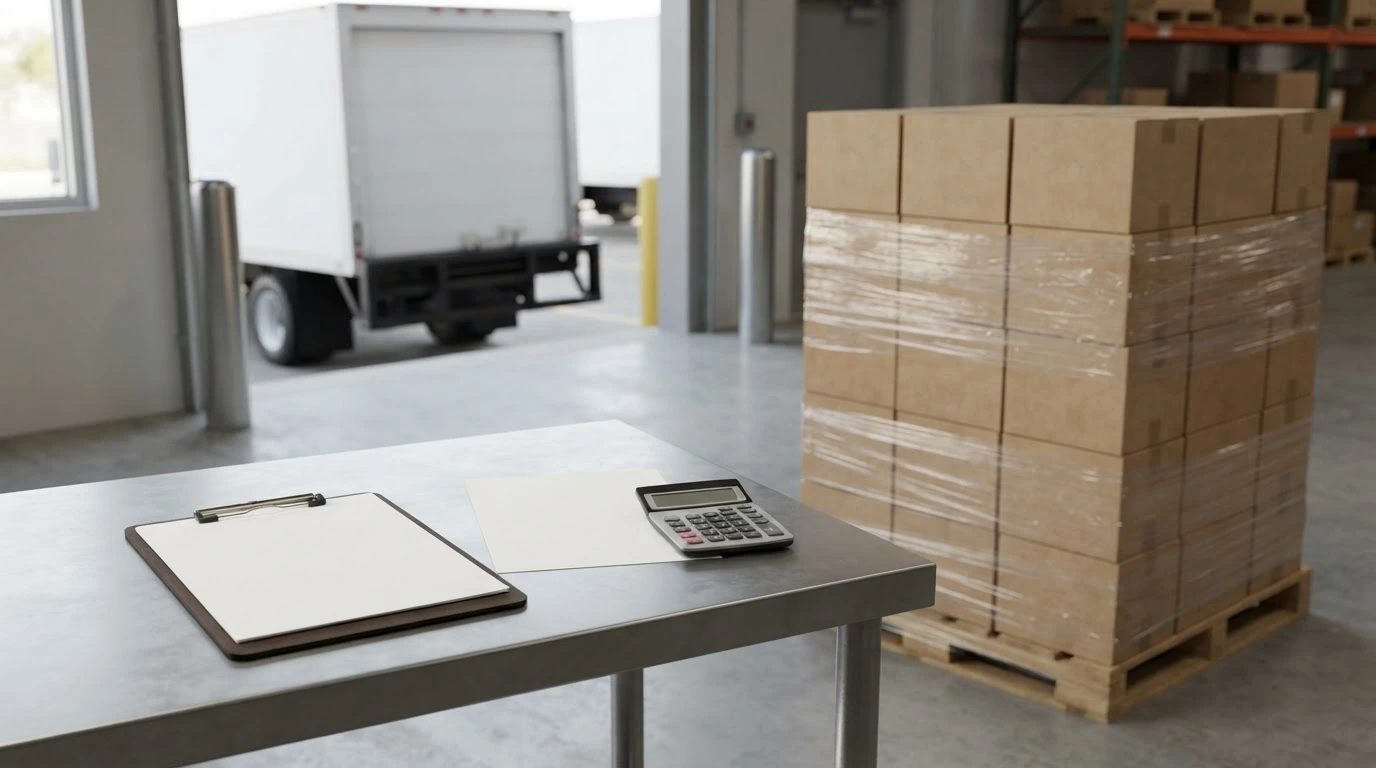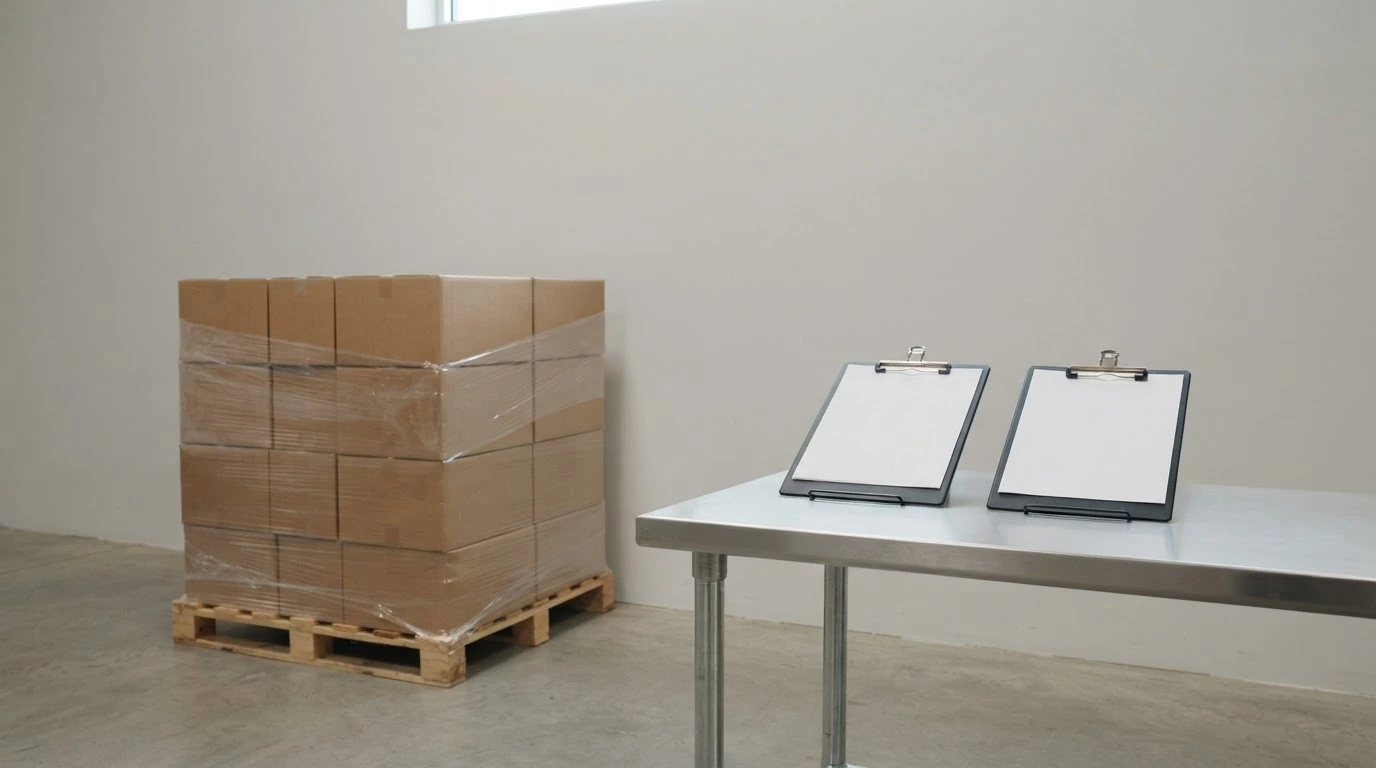
How to Prepare Auto Parts for Freight Classification
Auto parts span multiple LTL freight classes. Learn how to find the right NMFC code, package the shipment correctly, and avoid a reclassification fee.
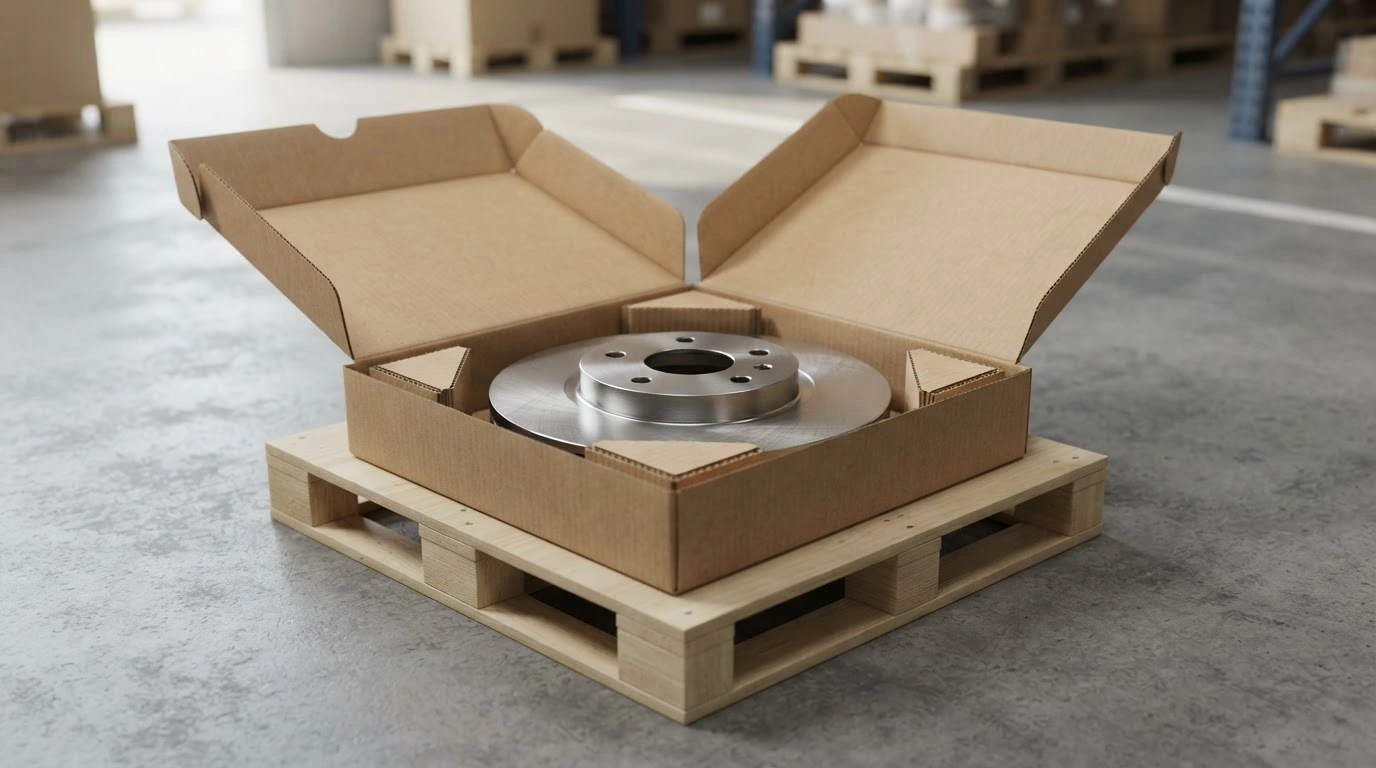
To prepare auto parts for freight classification, identify the exact part, document what it is made of and what it does, determine whether it is a complete assembly or component, package it in the form that will be tendered, and record the finished handling unit’s dimensions and weight. Use those facts to find the current NMFC item, subprovision, packaging requirements, and class.
Do not classify a shipment from the phrase “auto parts” or from a generic class range. That label can describe very different commodities. The correct result depends on the actual article and the conditions in its current NMFC entry.
Identify the exact part
Start with a separate identification record for each distinct part or assembly. The record should be specific enough that someone who has never seen the shipment can understand what it contains.
Gather:
- The manufacturer’s description and common part name
- Manufacturer, model, or invoice reference when available
- The part’s function or purpose
- Whether it is a complete assembly, a component, or a replacement part
- Primary construction materials and relevant coatings or inserts
- Whether it is new, used, rebuilt, damaged, defective, or being returned
- Photos, diagrams, product literature, and a direct product page when available
NMFTA requests this type of information when it evaluates a classification interpretation. It helps separate parts whose short commercial names may sound similar but whose construction, function, or shipping characteristics differ.
Avoid substituting a stock-keeping unit or internal part number for a commodity description. An internal identifier can support the record, but it does not explain the article to the carrier or resolve the applicable NMFC item.
If one handling unit contains different parts, maintain an accurate itemized description and piece count. Do not assign the entire unit to whichever part is heaviest or easiest to name without confirming that the classification treatment is valid.
Resolve hazardous-material status separately
Hazardous-material compliance and NMFC freight classification are related shipping inputs, but they are not the same determination. A freight class does not establish whether a part is regulated as hazardous material, and a density calculator cannot make that decision.
Review the manufacturer’s documentation and safety data sheet when applicable. Confirm the status with a trained hazardous-material professional before packaging, quoting, or tendering a part that contains a regulated material or device.
Lithium batteries are one clear example. PHMSA states that lithium batteries are regulated as hazardous materials under the U.S. Department of Transportation’s Hazardous Materials Regulations and provides configuration-specific shipping guidance. Requirements can depend on battery type, size, condition, and whether the battery is shipped alone, packed with equipment, or contained in equipment.
Do not rely on a general instruction to “drain all fluids” or “disconnect the battery.” Automotive components can fall under different rules and exceptions, and altering the part does not automatically remove every transportation requirement. Determine the correct status and preparation method for the specific article first. Confirm that the selected carrier accepts the commodity and service requested.
This guide does not replace hazardous-material training, the applicable regulations, or carrier acceptance rules.
Check the current packaging requirement
The shipping package is part of the classification review. NMFTA explains that minimum packaging requirements are specific to the commodity description and that packaging may affect freight class.
Find the current NMFC item before choosing a final packaging method. Review:
- Permitted package types
- Referenced package specifications, rules, or notes
- Protection required for exposed or damage-prone surfaces
- Conditions for loose, boxed, crated, palletized, or skid-mounted articles
- Requirements that apply to a complete assembly versus a part
- Any performance-testing or certification requirement actually referenced by the item
Palletizing a part, wrapping it in film, or placing it in an unverified crate does not by itself prove compliance. The complete package must match the applicable provision and protect the article during normal LTL handling.
Use a stable base that supports the full footprint. Keep the load within the pallet or skid, contain small pieces and hardware, protect machined surfaces and vulnerable connections, block or brace heavy components against movement, and prevent straps or bands from damaging the article. Follow manufacturer instructions and use qualified packaging help when the part’s weight, shape, or center of gravity makes securement uncertain.
Measure and weigh the finished handling unit
Finish the package before recording dimensions and weight. Measure the greatest outside length, width, and height of each handling unit, including the pallet, skid, crate, carton, bracing, padding, and any projection.
Record the total weight of the part and all packaging. When a shipment contains multiple unlike handling units, document each unit separately rather than using an average dimension or weight.
Density is only one classification input. NMFTA assigns freight class by evaluating density, handling, stowability, and liability. The applicable item may use a density-based subprovision, while another item may reflect other transportation characteristics. Do not convert a density result directly into a class unless the current NMFC provision supports that step.
Find and verify the current NMFC entry
Search current NMFC content using the specific part name and the facts in your identification record. Read the full result rather than relying on the heading alone.
Confirm:
- The article description matches the actual part
- The entry applies to the part’s function and materials
- The package and shipping form meet the stated conditions
- Notes, rules, exceptions, and cross-references have been reviewed
- The correct subprovision has been selected
- The NMFC item and class are effective for the planned ship date
Do not copy an NMFC item or class from a previous shipment simply because the part number looks familiar. Current content, packaging, product condition, or shipment details may differ.
If two entries appear plausible, keep both references and gather the supporting manufacturer and package documentation. Resolve the ambiguity through a qualified classification resource instead of choosing the lower class or the description that sounds more convenient. NMFTA offers interpretation assistance for specific commodity questions.
Make the bill of lading match the freight
The bill of lading, quote details, classification record, and physical shipment should tell the same story. NMFTA’s Item 250100 guidance says commodity descriptions must match the tariff and include the article, package, special markings, exceptions, NMFC item number, subprovision, and class. It also clarifies that the carrier may verify shipment weight and dimensions.
Before pickup, compare the documents with the completed handling units and confirm:
- Specific article and package descriptions
- Piece and handling-unit counts
- Total packaged weight
- Greatest packaged dimensions used for the quote
- NMFC item number and subprovision
- Freight class
- Applicable special markings or exceptions
- Hazardous-material documentation and communication, when required
If the contents, packaging, dimensions, weight, or regulated status changes, stop and update the classification, quote, and shipping documents before tender.
Auto-parts classification checklist
Use this final check before requesting a rate:
- Identify every distinct part and its function.
- Record materials, construction, condition, and complete-versus-component status.
- Resolve hazardous-material status independently of freight class.
- Confirm carrier acceptance for any regulated or restricted article.
- Review the current NMFC packaging requirement.
- Secure the load to a stable, full-support base without overhang.
- Finish packaging before measuring and weighing.
- Record each handling unit’s greatest dimensions and total packaged weight.
- Read the full current NMFC entry, including notes and cross-references.
- Resolve ambiguous item choices rather than guessing.
- Make the quote, bill of lading, and physical freight agree.
Get a shipment-specific freight quote
When the classification and compliance work is complete, gather the origin and destination ZIP codes, pickup timing, handling-unit count, packaged dimensions, packaged weight, precise commodity description, freight class when known, declared hazardous-material status, and required accessorial services.
Shipocity is backed by a team with more than 40 years of combined logistics experience. Through established industry relationships, the platform helps businesses compare competitive freight rates for their specific shipment.
Get a freight quote and sign up with Shipocity when the auto parts and their packaged details are ready.