How to Inspect Freight Before Signing the Delivery Receipt
Inspect freight before signing the delivery receipt, document visible loss or damage precisely, and preserve evidence for any follow-up claim.
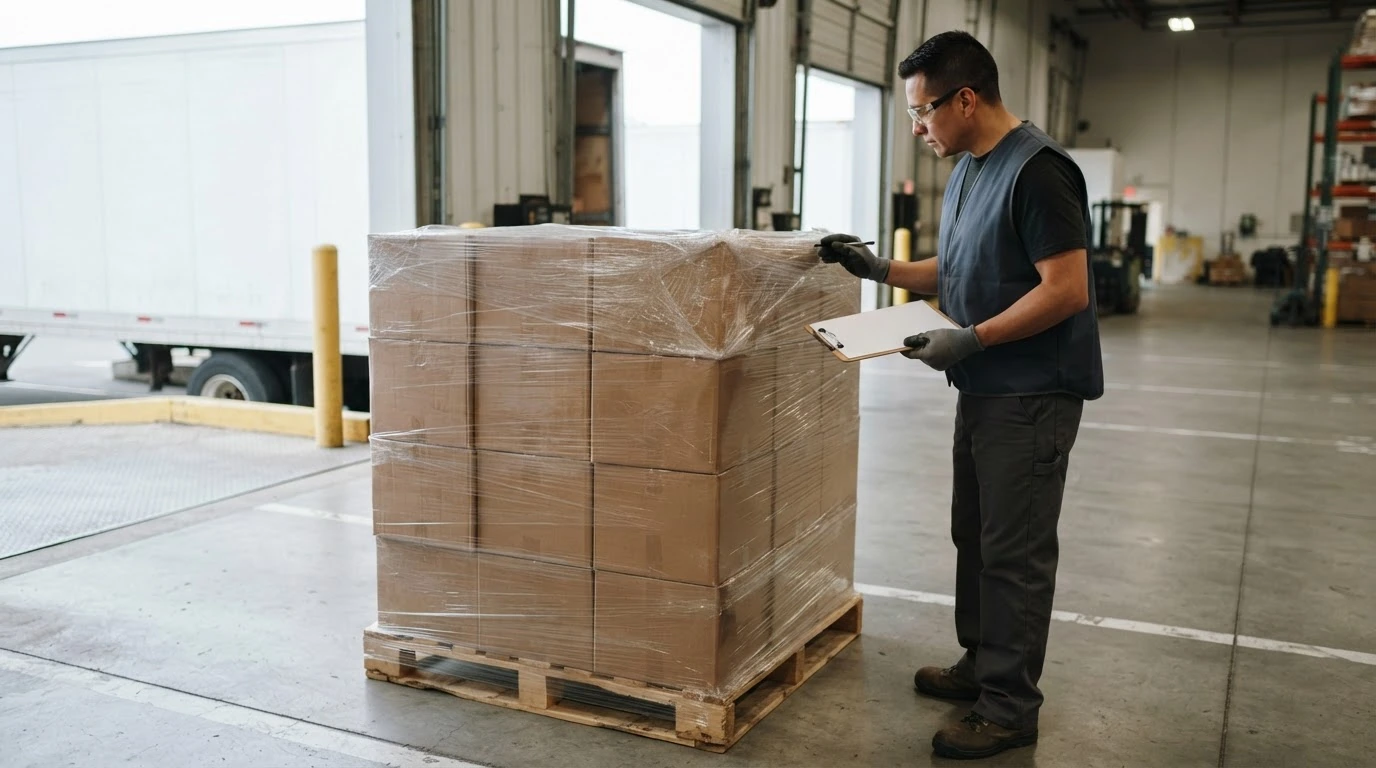
Before signing, verify that the freight is yours, count the handling units you can actually confirm, and inspect the packaging from every accessible side. Write any shortage or visible damage on the delivery receipt in specific terms, take photographs, and keep a copy of the completed receipt. A clean signature does not automatically eliminate every possible claim, but it can make later damage or shortage much harder to establish.
The receiving check should answer four questions: Is this the correct shipment? Did the expected handling units arrive? Is the freight visibly damaged or disturbed? Does the receipt accurately describe what is in front of you? Do not sign until the answers and any exceptions are recorded.
Set up the receiving area before delivery
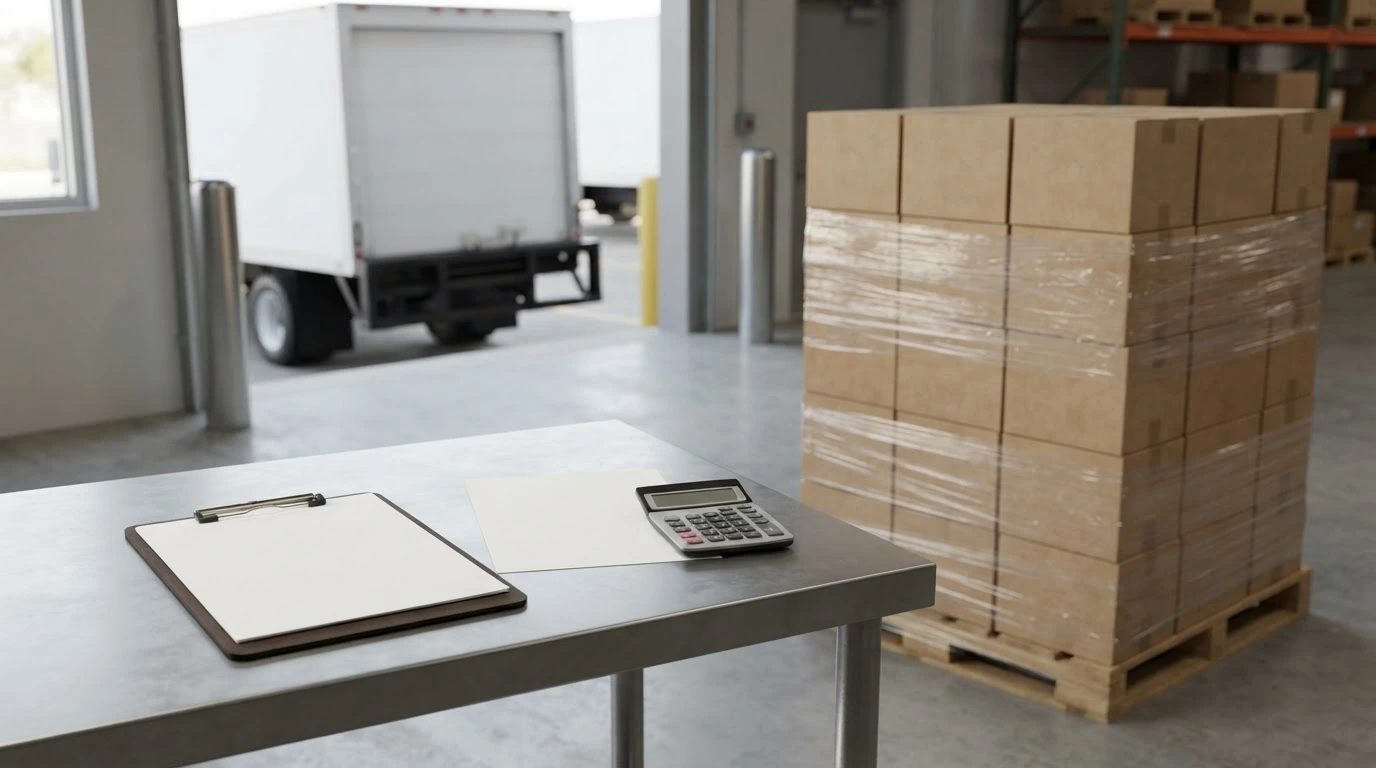
A useful inspection starts before the trailer opens. Assign a receiver who understands that signing is not a routine formality. Give that person access to the purchase order, packing list, shipment identifiers, and any delivery information available from the shipper or booking provider.
Make enough room to see the freight and photograph it without standing in the driver’s path or entering the trailer without permission. Have a phone or camera ready. If the delivery requires a dock, forklift, liftgate, appointment, or other receiving arrangement, resolve that before arrival so the inspection is not compressed by an avoidable unloading problem.
The receiver should know what the paperwork is counting. A delivery receipt may describe pallets, skids, cartons, drums, crates, or other handling units. A stretch-wrapped pallet said to contain a number of cartons is not the same as a verified carton-by-carton count. Record only the quantity and unit type that can be confirmed at delivery.
Use a repeatable dock inspection
Work through the shipment in the same order every time.
- Match the shipment to the location. Check the consignee name, delivery address, shipper, PRO or shipment reference, and labels on the handling units. Do not accept freight solely because the driver has arrived at the correct building.
- Count the visible handling units. Compare the actual number of pallets, crates, cartons, or other units with the delivery receipt. Keep the freight together until the count is complete. If the receipt says one wrapped pallet, do not sign as though every carton inside was individually counted unless that count was actually performed.
- Inspect all accessible sides. Look at the top, corners, sides, wrap, bands, cartons, and pallet base. Check for crushed or punctured packaging, tears, wet areas, broken boards, shifted freight, missing bands, cut wrap, or signs that the load was opened and rewrapped.
- Look for unsafe conditions. Do not place anyone under leaning freight or ask a receiver to climb on a load. If the pallet is unstable, leaking, or otherwise unsafe to handle, stop the unload and contact the carrier or booking provider for instructions.
- Photograph the condition. Capture the entire handling unit, the damaged area in context, closer views of the damage, and the relevant shipment label without publishing personal or shipment information. Photograph the receipt after the exceptions have been entered.
- Record exceptions before signing. Make sure the notation is present on the final paper or electronic delivery record, not only in a private note or email.
Write what you can observe
Specific facts are more useful than conclusions. Avoid bare phrases such as “damaged,” “possible damage,” or “subject to inspection.” Carrier guidance commonly warns that a generic reservation does not identify an actual loss or damage condition.
Use a structured notation with blanks filled from the freight in front of you:
__ of __ handling units received; __ handling unit(s) short.Wrap torn on __ side of pallet __; __ carton(s) exposed.Carton __ crushed at __ corner; contents not inspected.Pallet base has broken __; load shifted toward __ side.Wet area visible on __ carton(s) at __ location.
Include the affected quantity, package or handling-unit identifier, location, and observable condition. Do not guess at the cause, declare the contents a total loss before inspection, or write that internal damage exists when only exterior damage is visible.
If the driver’s device provides a comments field, review the saved wording before signing. If there is not enough room, ask how an exception can be attached or entered under that carrier’s process. When practical, have the driver acknowledge the notation. Save the receiver’s copy or a clear image of the completed record.
Decide whether to accept or refuse
Visible damage does not create one universal answer. The right decision depends on ownership, safety, usability, instructions from the shipper, and the applicable carrier terms.
| Condition at delivery | Practical response before signing |
|---|---|
| Freight is not addressed to your location or does not match the shipment | Pause the delivery and ask the carrier to verify it. Do not accept freight you cannot identify as yours. |
| Piece or handling-unit count is short | Record the actual quantity received and the quantity short before signing. |
| Packaging has localized visible damage but the load can be handled safely | Describe the damage, photograph it, and contact the shipper, carrier, or booking provider if acceptance instructions are needed. |
| Freight is badly damaged, unstable, leaking, or unsafe to unload | Stop work, keep people clear, and obtain carrier or shipper instructions. Refusal may be appropriate, but do not improvise around a safety hazard. |
| Freight appears intact | Complete the count and exterior inspection, then sign and retain the receipt. A clean exterior does not prove that concealed damage is impossible. |
Do not assume refusal is always better for a claim, or that accepting damaged freight always waives recovery. Carrier rules, the sales agreement, salvage value, and the ability to prevent further damage can all matter. If time allows, call the shipper, carrier, or booking provider while the freight remains at the dock and document the instructions you receive.
Treat a noted exception as the start of the record
Writing damage on the receipt is important, but it is not the same as filing a cargo claim. Preserve the evidence needed for whatever comes next:
- the signed delivery receipt;
- the bill of lading and packing list;
- photographs of the full shipment, packaging, labels, and damage;
- the purchase invoice or other proof of value;
- repair information when applicable; and
- messages with the carrier, shipper, or booking provider.
Protect the goods from additional damage and retain the original packaging and damaged contents. Carriers may request an inspection, and disposing of packaging or altering the condition too early can weaken the factual record.
Act promptly on concealed damage
Concealed damage is damage that was not reasonably apparent during the delivery inspection. If it appears after unpacking, stop further handling when practical, photograph the condition and the packaging, preserve all materials, and notify the delivering carrier and the party that arranged the shipment immediately.
Do not rely on a single generic deadline. Current carrier procedures differ: some call for concealed damage notice within five days, while other rules use a different period. Notice of concealed damage may also be separate from the formal written cargo-claim deadline. Check the carrier’s current tariff, bill-of-lading terms, and claim instructions for that shipment, then keep confirmation that the notice and any inspection request were received.
Give every receiver this final check
Before the signature is submitted, confirm:
- consignee, address, and shipment identifiers match;
- handling-unit type and count are accurate;
- all accessible sides and the pallet base were checked;
- torn wrap, broken bands, moisture, crush damage, punctures, or shifting were photographed;
- each visible shortage or damage condition is described specifically on the receipt;
- the final notation appears on the carrier’s copy or electronic record; and
- your copy of the signed receipt has been saved.
This process cannot prevent freight damage, and it does not guarantee a claim outcome. It does create a timely, accurate record of what was delivered and what the receiver could observe.
Carry the same accuracy into the next shipment
Good receiving starts with good shipment information. For the next quote, prepare the origin and destination ZIP codes, packaged dimensions and weight, handling-unit count, commodity description, freight class when known, and required accessorial services. Include the receiver’s hours and delivery constraints so the quoted service matches the actual location.
Shipocity is backed by a team with more than 40 years of combined logistics experience. Through established industry relationships, the platform helps businesses compare competitive freight rates for their specific shipment.
Bring those details to get a quote for your next shipment.