
How to Compare LTL Freight Quotes Apples-to-Apples
How to compare LTL freight quotes the right way: normalize the inputs, add up every cost component, and watch for reweigh, reclassification, and accessorial risks.
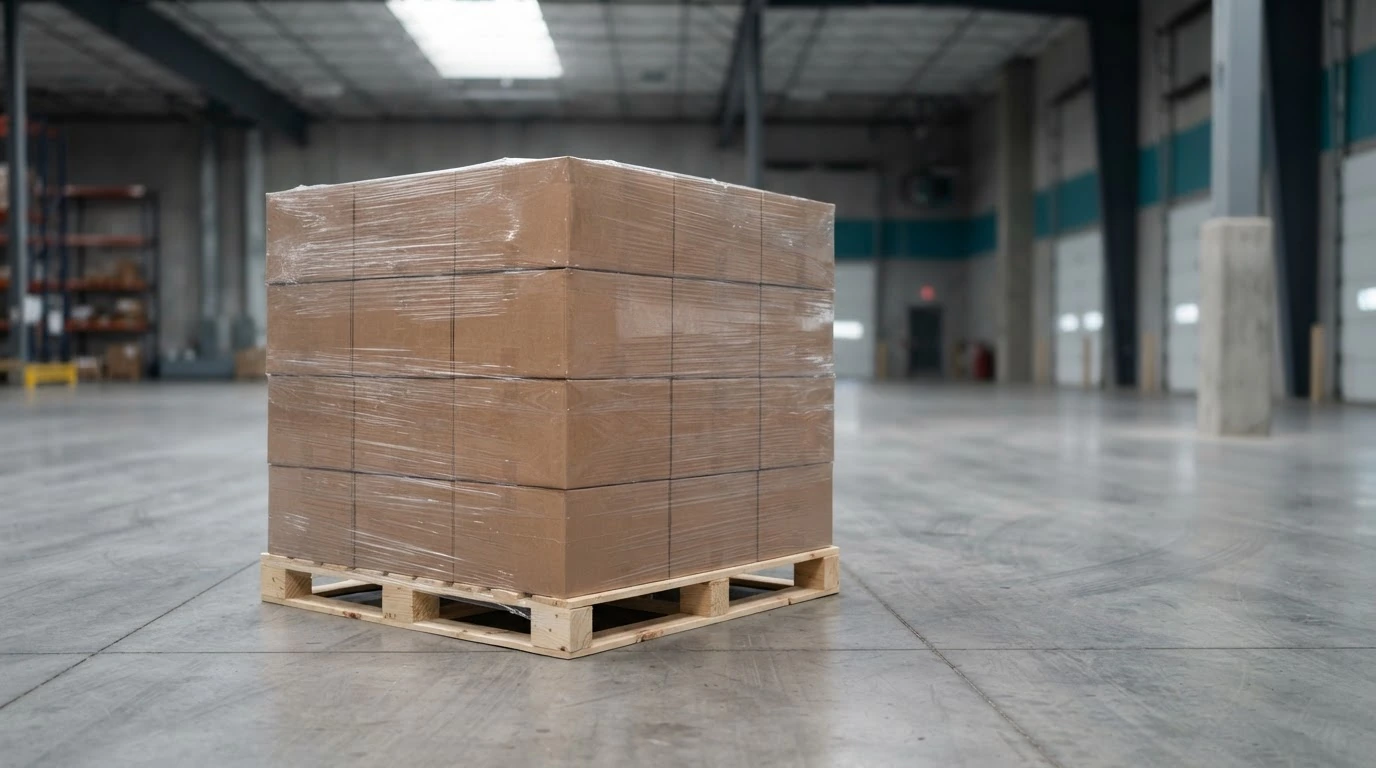
To compare LTL freight quotes fairly, use the same shipment details for every request, confirm that the services being quoted are equivalent, and compare the full quoted amount rather than one attractive line item.
That sounds simple, but small input differences can turn two quotes into two different shipments. One quote may include a liftgate while another assumes a dock. One may reflect standard service while another reflects a time-definite option. The comparison only becomes useful after those differences are identified.
Normalize the shipment information first
Begin with one verified set of shipment details and use it for each quote. At minimum, confirm:
- Origin and destination ZIP codes
- Pickup date
- Commercial, residential, or other location type at each end
- Number and type of handling units
- Fully packaged length, width, and height for each unit
- Fully packaged weight
- Commodity description
- Freight class or current NMFC information when known
- Stackability
- Required pickup and delivery services
- Hazardous or regulated status when applicable
Do not substitute product dimensions for packaged dimensions or product weight for the weight as tendered. Pallets, crates, padding, wrap, and overhang are part of the freight the carrier must handle.
If two quote requests were built with different dimensions, weights, classes, dates, or location conditions, correct those inputs before comparing the prices. Carriers can still price the same shipment differently, but the underlying request should be consistent.
For a field-by-field preparation guide, see What Information Do You Need for an LTL Freight Quote?.
Confirm what each quoted amount includes
Read the quote detail rather than comparing a single prominent number. Depending on the carrier and quote format, the displayed amount may separate or combine components such as:
- Base transportation charge
- Fuel surcharge
- Requested accessorial services
- Service-level charges
- Discounts or pricing adjustments shown on the quote
Use the full amount presented for the shipment and verify that every service you expect to need appears in the quote. If the components are not clear, review the carrier’s terms or ask for clarification before booking.
Fuel is especially easy to misread when quote layouts differ. A percentage shown without its calculation basis does not tell you the resulting dollar charge. Compare the actual fuel amount included in each quote and consult the applicable carrier terms for how it was calculated.
Make sure the service levels match
A lower price is not automatically the better comparison if it represents a different service.
Check the service description and any stated transit information. Standard transit estimates and a separately offered guaranteed or time-definite service should not be treated as interchangeable. The meaning, limitations, and available remedy for any guaranteed service depend on the carrier’s current terms.
The same principle applies to standard and expedited options. If timing matters, compare services that address the same requirement. If timing does not justify an upgraded service, compare standard options on their own merits.
Also review pickup and delivery assumptions. A quote based on dock-to-dock commercial service is not equivalent to one that includes residential delivery, limited-access service, a liftgate, inside delivery, or an appointment.
Check freight class and commodity details
Freight class can materially affect LTL pricing, so both quotes should reflect the same defensible classification information.
Density may be relevant, but it is not the only consideration for every commodity. Current NMFC provisions can also account for handling, stowability, liability, and commodity-specific requirements. Use a current, appropriate source for the class or NMFC item when known. If classification remains uncertain, resolve that question before treating the quotes as final comparisons.
The commodity description matters too. A vague description may not give a carrier enough information to evaluate the shipment consistently. Use clear language that identifies the freight and its packaging without guessing at facts you do not know.
Compare the conditions, not just the route
The same ZIP-code pair does not guarantee equivalent service conditions. Review what each quote assumes about the actual locations.
Questions worth checking include:
- Does each location have a usable dock or forklift?
- Is either endpoint residential or limited access?
- Is a liftgate needed at pickup, delivery, or both?
- Is an appointment, notification, or inside service required?
- Are there stated hours or access restrictions?
- Can the handling units be safely stacked under the applicable conditions?
Represent the locations as they are. Omitting a required service to obtain a lower quote does not make that quote a fair comparison.
Review what can change after quoting
An LTL quote is based on the shipment details and services submitted at the time. The invoiced amount may differ if the carrier records a different weight or classification, or if services are required that were not included in the request.
Before selecting a quote, compare its inputs with the freight that will actually be tendered:
- Recheck the packaged dimensions and weight.
- Confirm the handling-unit count.
- Verify the commodity description and classification information.
- Confirm the pickup and delivery conditions.
- Add every service the shipment is expected to require.
This is not a prediction that an adjustment will occur. It is a final consistency check between the quote and the real shipment.
Use a repeatable comparison checklist
For each option, record the same information in the same order:
- Carrier and service level
- Shipment inputs used
- Quoted total
- Fuel amount shown
- Included accessorials
- Transit estimate or other stated service commitment
- Important exclusions, conditions, or expiration details shown with the quote
Any unresolved difference should be investigated before choosing. The goal is not to force every quote into an identical format. It is to understand what each price covers and whether each option solves the same shipping need.
Compare options for your shipment
Shipocity is backed by a team with more than 40 years of combined logistics experience. Through established industry relationships, the platform helps businesses compare competitive freight rates for their specific shipment.
Once the shipment details are verified, use the same information to review the options available for that freight.