
How to Classify a Mixed-Commodity Pallet
Mixed-commodity pallets default to the highest freight class under NMFTA Item 640. Learn how itemization, separate handling units, and ClassIT+ verification shape the rate.
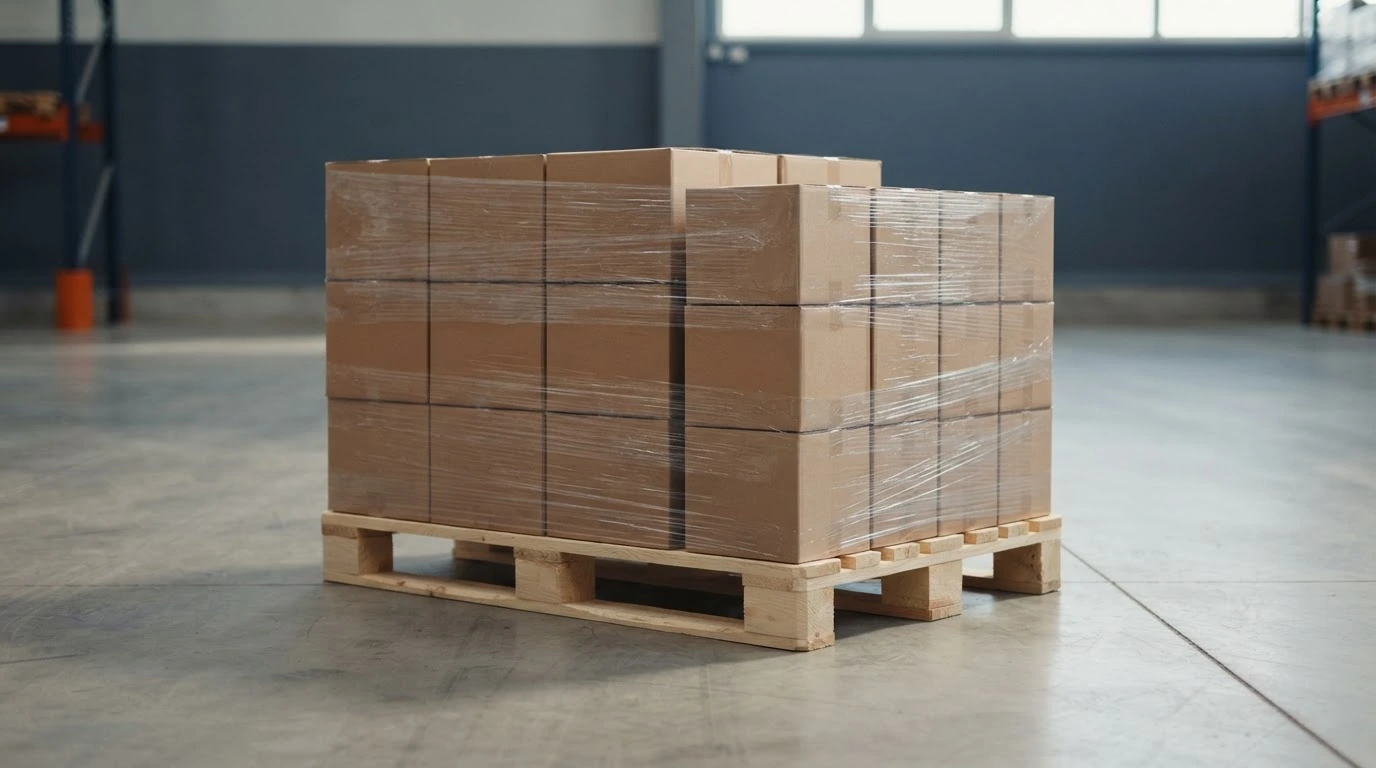
A mixed-commodity pallet can be rated at the class of its highest-classed article under the current NMFC Item 640. That is not the only possible treatment, but avoiding it requires more than entering separate dimensions in a quote.
The current itemized path requires the articles to meet specific packaging and unitization conditions and requires detailed shipping-paper and packing-slip information. If those conditions cannot be met, separating differently classed articles onto distinct handling units is usually the clearer documentation path.
Start by identifying the physical arrangement
Item 640 treats these situations differently:
- A shipment subject to one class
- Differently classed articles packaged separately on different handling units
- Differently classed articles combined on one pallet, skid, rack, platform, or in one package
Do not begin by averaging the classes or densities. First determine which commodities are present, how each one is packaged, and whether they share a handling unit.
When the highest class can apply
Under the current Item 640 provisions, a package or qualifying pallet, platform, rack, or skid containing differently classed articles is generally charged at the rate or class of the highest-classed article unless the itemized conditions apply.
The current rule allows the shipping papers to identify one article taking the highest class along with a required notation covering the other articles at the same or lower class. The exact notation and application should be confirmed in current NMFC content rather than copied from an old form or blog.
The highest-class treatment applies to the mixed handling unit under this rule. Do not automatically extend that statement to every handling unit in a larger shipment without reviewing how the articles are packaged and documented.
The itemized path has specific conditions
Current Item 640 provides a path for separately rating articles subject to different classes when authorized packages or shipping forms are securely unitized on a qualifying pallet, platform, rack, or skid.
The requirements include more than separate dimensions. In summary, the shipper must address:
- A separate description of each article on the bill of lading and shipping order
- The total weight of each separately identified article
- The required notation identifying how many pallets, platforms, racks, or skids contain the articles
- A packing slip attached to the shipment that lists the separately identified articles and their total weights
- The weight of the pallet and unitizing or packing materials
- Applicable packaging, unitization, and pallet conditions
- Separate listing of any articles not unitized on the pallet or skid
The current rule also addresses how pallet and unitizing-material weight is assigned for rating. Review the full provision in current ClassIT+ content before relying on the itemized path.
If the required article weights or documentation are unavailable, do not invent an allocation after the pallet is built.
Separating commodities onto different handling units
When differently classed articles are separately packaged on different handling units, current Item 640 provides for charging the actual or authorized estimated weight at the applicable rate or class for each.
This can simplify the record because each pallet, skid, crate, or other unit can carry its own commodity description, weight, and class. It may also require additional packaging, floor space, handling, or labor, so it is an operational decision rather than an automatic pricing advantage.
Before rebuilding a shipment, compare complete quote options and verify that the packaging remains suitable for the freight.
The 2026 proposal did not replace the current rule
NMFTA proposed revisions to Item 640 in Docket 2026-1. The Freight Classification Development Center disapproved that proposal in Disposition Bulletin 1373 on March 20, 2026 and stated that the current provisions would continue to apply.
NMFTA has since posted another Item 640 proposal for public review. A proposal is not the current rule. For a shipment moving now, use current ClassIT+ content and the effective NMFC provision rather than drafting shipping papers from proposed language.
Classify each commodity before applying the mixed rule
Item 640 does not replace the classification of the individual articles. For each commodity:
- Describe the article precisely.
- Find the applicable NMFC item and subitem.
- Review the shipping form, packaging requirements, notes, references, and symbols.
- Calculate packaged density if the provision requires it.
- Record the class and effective date.
NMFTA evaluates commodities using density, handling, stowability, and liability. A broad description such as “parts,” “supplies,” or “equipment” is not enough when material, form, use, or packaging changes the applicable item.
If an article cannot be identified confidently, use qualified classification assistance before deciding how the mixed pallet should be documented.
Multiple handling units and density
NMFTA’s current help guidance cites Item 110 for shipments with multiple handling units. Unless otherwise provided, density is calculated for each handling unit. If the shipping papers show only a total weight for all handling units, the rule allows density to be calculated from total weight and total cube.
That makes per-unit records important. For each pallet, skid, crate, or other unit, keep:
- Outside packaged length, width, and height
- Packaged weight
- Commodity or commodities present
- Item and class information
- The connection between the handling unit and its packing slip or shipping-paper entry
Do not treat per-commodity dimensions inside one wrapped pallet as a substitute for the current Item 640 documentation requirements.
Prepare the bill of lading carefully
NMFTA’s current Item 250100 guidance says bills of lading must use commodity descriptions that match the tariff, including the article, package, special markings, exceptions, NMFC item number, subprovision, and class.
For a mixed shipment, check:
- Each article is described accurately.
- Each applicable item, subprovision, and class is current.
- Article weights and handling-unit weights are traceable.
- Required Item 640 notation is present when used.
- The packing slip matches the shipping papers and physical pallet.
- Pallet and unitizing-material weight is recorded.
- Any non-unitized article is listed separately.
Retain the underlying product and packaging records with the shipment file.
Carrier pricing terms still matter
The NMFC classification and the price applied to the shipment are related but distinct. NMFTA describes the NMFC as a voluntary standard, and carrier tariffs, exceptions, FAK agreements, or customer pricing terms may also apply.
Before quoting, confirm whether the selected pricing arrangement changes how the shipment is rated or documented. Do not assume one carrier’s treatment applies to another carrier or account.
Common mixed-pallet mistakes
- Assuming the highest class always applies to the entire multi-pallet shipment
- Averaging class numbers or densities without a supporting NMFC provision
- Believing separate commodity dimensions alone satisfy the itemized path
- Omitting total weight for each separately identified article
- Preparing a packing slip that does not match the bill of lading
- Ignoring the weight of the pallet and unitizing materials
- Using proposed Item 640 language as though it were effective
- Treating a broad commodity description as a complete classification
- Assuming every carrier tariff or pricing agreement follows the same billing treatment
Information to gather before requesting a quote
For every handling unit, prepare:
- Origin and destination ZIP codes
- Handling-unit type and count
- Outside packaged dimensions
- Packaged weight
- Each commodity description
- NMFC item, subprovision, and freight class when verified
- Weight by separately identified article when using the itemized path
- Required pickup and delivery services
- Any applicable FAK, exception, or customer pricing reference
This makes it possible to compare options using a shipment description that matches the freight being tendered.
Compare a rate for the documented shipment
Shipocity is backed by a team with more than 40 years of combined logistics experience. Through established industry relationships, the platform helps businesses compare competitive freight rates for their specific shipment.
Once the mixed pallet’s commodities, packaging, dimensions, weights, classes, lane, and required services are documented, enter those details to compare the freight options available for the shipment.