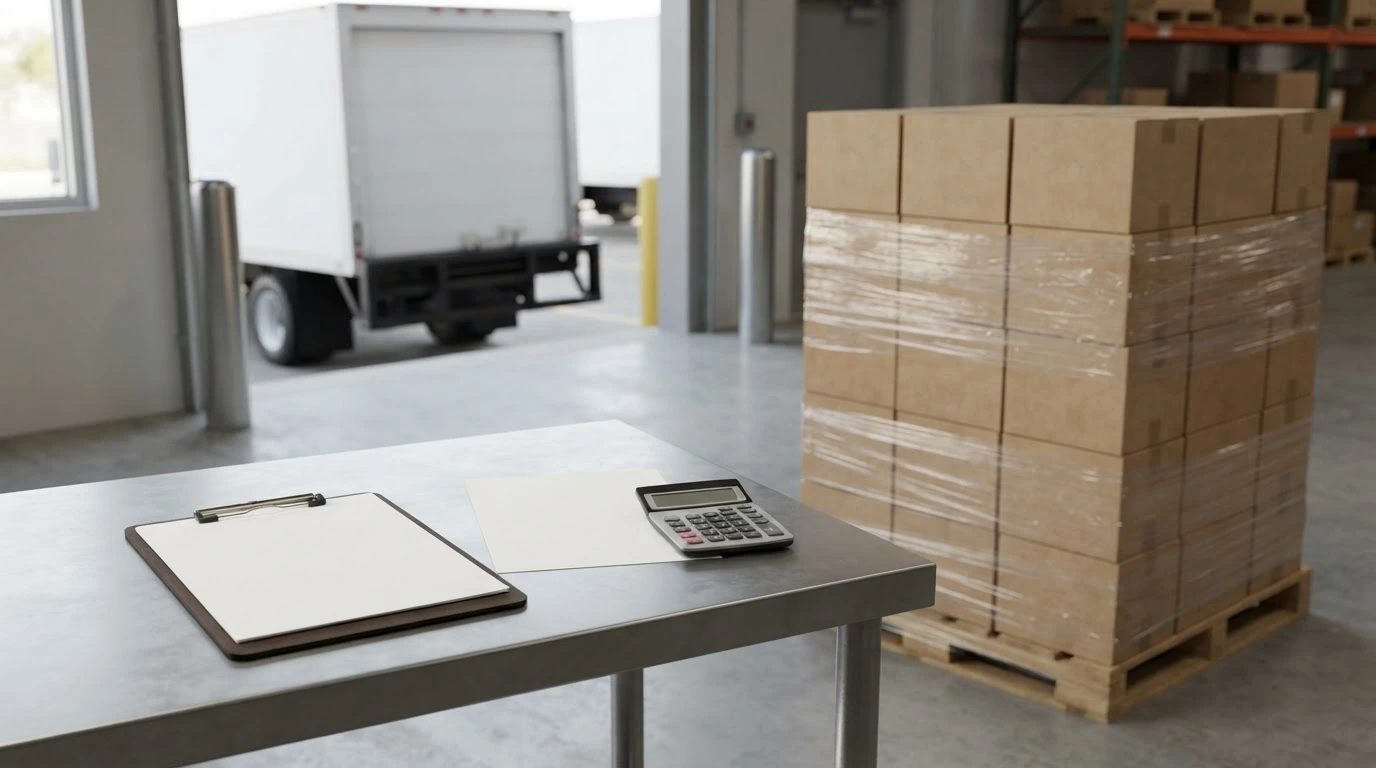
How Packaging Affects Freight Claims
Packaging choices directly shape whether a freight damage claim is paid or denied. Here is how NMFTA standards, federal rules, and carrier practices treat packaging at claim time.

Packaging affects a freight claim in two ways. It can prevent damage in the first place, and it becomes evidence when the carrier investigates what happened. A damaged shipment is not automatically payable because the outer package is torn, and a claim is not automatically invalid because packaging is questioned. The outcome depends on the shipment facts, applicable law, carrier rules, bill of lading, liability terms, and supporting evidence.
The best time to strengthen that evidence is before pickup. Use packaging that meets the applicable NMFC and carrier requirements, document the completed shipment, describe it accurately, and preserve the packaging if damage is discovered.
Packaging can be part of the cause analysis
LTL freight may encounter vibration, compression, impacts, stacking, temperature changes, and repeated mechanical handling. Packaging is expected to protect the product through the normal transportation environment. The appropriate design depends on the commodity, weight, shape, fragility, and package type.
If a claim is filed, the carrier may examine whether the damage resulted from an external handling event, inadequate internal protection, an unsuitable container, movement within the package, an unsupported pallet edge, or another condition. That makes the packaging itself relevant evidence.
Examples of conditions that can complicate a claim include:
- A pallet or skid that does not support the full package footprint.
- A carton, crate, or drum that is damaged or unsuitable before pickup.
- Product that can move because cushioning, blocking, or bracing is absent or ineffective.
- Freight that is not secured to its handling base.
- Bands or fasteners that crush the package or damage the product.
- A package that cannot tolerate the top load implied by its stackable status.
- Missing, covered, or inaccurate shipping marks and commodity descriptions.
This is not a checklist of automatic denials. It is a list of facts an investigation may need to distinguish transportation damage from a failure in the package or preparation.
Meet the applicable packaging requirements
The National Motor Freight Classification contains general packaging specifications, commodity-specific minimum packaging requirements, and performance-based packaging provisions. The correct requirement depends on the actual commodity and package. NMFTA also supports qualified testing pathways for packaging that needs performance validation.
A generic “palletized” description does not establish that the packaging was adequate. The carrier may need to know whether the item was cartoned, crated, drummed, wrapped, blocked, braced, or otherwise protected. A pallet makes the unit mechanically handleable; it does not replace the product’s internal and outer packaging.
Carrier guides can add operational requirements for particular services or freight types. Check the selected carrier’s current tariff, service guide, and packaging instructions rather than assuming one carrier’s method applies everywhere.
For a high-value, unusual, heavy, or damage-sensitive product, consider a professional packaging review or qualified testing before establishing a repeat shipping design. Saving the design specification and test documentation can also help show how the shipment was intended to perform.
Understand the federal claims framework
For covered interstate motor-carrier transportation, 49 U.S.C. 14706 establishes liability for actual loss or injury to property caused by the receiving, delivering, or another carrier on the route. It also addresses circumstances in which carrier liability may be limited through a shipper’s written or electronic value declaration or written agreement.
That statute is the legal backdrop, not a promise that every submitted amount will be paid. The applicable contract, tariff, bill of lading, released-value terms, facts of the loss, and evidence still matter. Legal questions about a disputed or valuable claim may require qualified counsel.
Federal claim-processing rules also specify what constitutes a claim. Under 49 CFR 370.3, the communication must be in writing or electronic form, contain facts sufficient to identify the shipment, assert carrier liability for alleged loss, damage, injury, or delay, and demand a specified or determinable amount. A damage notation on a delivery receipt, an inspection report, or a carrier’s internal record by itself is not a claim under that rule.
This distinction matters. Noting damage at delivery helps preserve evidence, but the claimant still needs to follow the carrier’s filing process and applicable deadline.
Create a packaging record before pickup
Photograph the shipment after packaging is complete and before the carrier takes possession. Capture enough views to show the whole handling unit, not only a close-up of one strap.
A useful origin record can include:
- Every accessible side of the completed pallet, skid, crate, or other unit.
- The top and base, including the full footprint and fork openings.
- The condition of the outer container, corners, edges, bands, film, seals, and closures.
- Internal cushioning, blocking, bracing, and product condition before final closure when practical.
- Required labels, package certifications, serial numbers, and shipment identifiers.
- The scale reading or other weight record and the finished measurements.
- The bill of lading and any packaging specification used for the shipment.
Keep original files with timestamps and enough resolution to inspect details. Avoid relying only on photos that have been compressed, cropped, or detached from the shipment record.
The paperwork should agree with the freight. Record an accurate commodity description, handling-unit and piece counts, gross weight, finished dimensions, packaging type, NMFC item and class when applicable, and any required hazardous-materials information. A vague or mismatched description can make both classification and claim review harder.
Inspect the freight at delivery
The recipient should inspect the handling unit before signing when the delivery conditions and carrier process allow. Look for tears, punctures, crushed corners, broken boards, shifted freight, loose bands, disturbed film, wetness, leaning, missing pieces, or other exceptions.
Visible loss or damage is generally described on the delivery receipt at delivery, using specific observations instead of a vague word such as “damaged.” The exact procedure is controlled by the carrier and shipping documents. Take photographs before unpacking or moving the freight if it is safe to do so.
Concealed damage is discovered after the outer package is opened. Report it promptly under the carrier’s current rules. Do not assume that every carrier uses the same notice period. Old Dominion, for example, currently publishes its own concealed-damage reporting window, which should not be generalized to another carrier.
If an emergency or safety hazard exists, follow the appropriate safety procedure first. Do not open or handle a leaking or suspect hazardous-materials package solely to gather claim photographs.
Preserve the product and packaging
Keep the damaged product, pallet, carton, crate, cushioning, blocking, film, bands, labels, and other packaging until the claim is resolved or the carrier provides instructions. Both FedEx and Old Dominion tell claimants to retain original packaging for possible inspection.
Do not rebuild the package and discard the failed components before documenting them. Their location and condition may help explain the path of impact, movement, compression, moisture, or restraint failure.
At the same time, take reasonable steps to prevent additional loss when it is safe and permitted. Separate wet items, protect exposed goods, or arrange a qualified repair assessment as appropriate, but document the condition first and coordinate with the carrier or insurer. Do not abandon freight or dispose of salvage without authorization when it may be part of the claim.
Submit a complete claim file
Use the carrier’s current claim channel and requirements. The supporting package commonly includes the PRO or shipment number, bill of lading, delivery receipt, written statement of what was lost or damaged, claimed amount, proof of value, repair estimate or statement of nonrepair when relevant, and photographs.
Packaging records connect the origin condition to the delivery condition. They can show that the unit was fully supported, correctly secured, intact when tendered, and consistent with the shipping description. They can also reveal a preparation problem that should be corrected before the next shipment.
Do not confuse declared value with an automatic insurance payout. Liability limits, valuation options, exclusions, and claim requirements depend on the governing terms. Review those terms before shipping if the possible loss is significant, and consider separate cargo insurance where appropriate.
Use claim findings to improve the next shipment
A closed claim should feed back into packaging design. Compare origin and delivery photographs, inspection findings, repair reports, and carrier feedback. Identify whether the package needs stronger material, better support, more effective cushioning, positive blocking, different band placement, an enclosure, or a different handling base.
Make the change deliberately and document the revised design. Repeating the same package after a known failure can reproduce the same damage and weaken the evidence that the shipment was prepared for the transportation environment.
Prepare accurate details before quoting
Packaging decisions also determine the shipment data used for the rate. Measure the greatest finished length, width, and height, including the pallet and all projections. Weigh the complete handling unit. Provide the real commodity, package type, piece count, stackability, applicable NMFC item and class when known, and required services.
Shipocity is backed by a team with more than 40 years of combined logistics experience. Through established industry relationships, the platform helps businesses compare competitive freight rates for their specific shipment.
Once the freight is packaged, documented, measured, and weighed, get a freight quote using the completed shipment details.