
How Freight Class Affects LTL Rates
Freight class is a primary driver of LTL rates. Learn how the 18 NMFC classes work, what determines a class, and why a wrong class can trigger post-delivery reclassification fees.
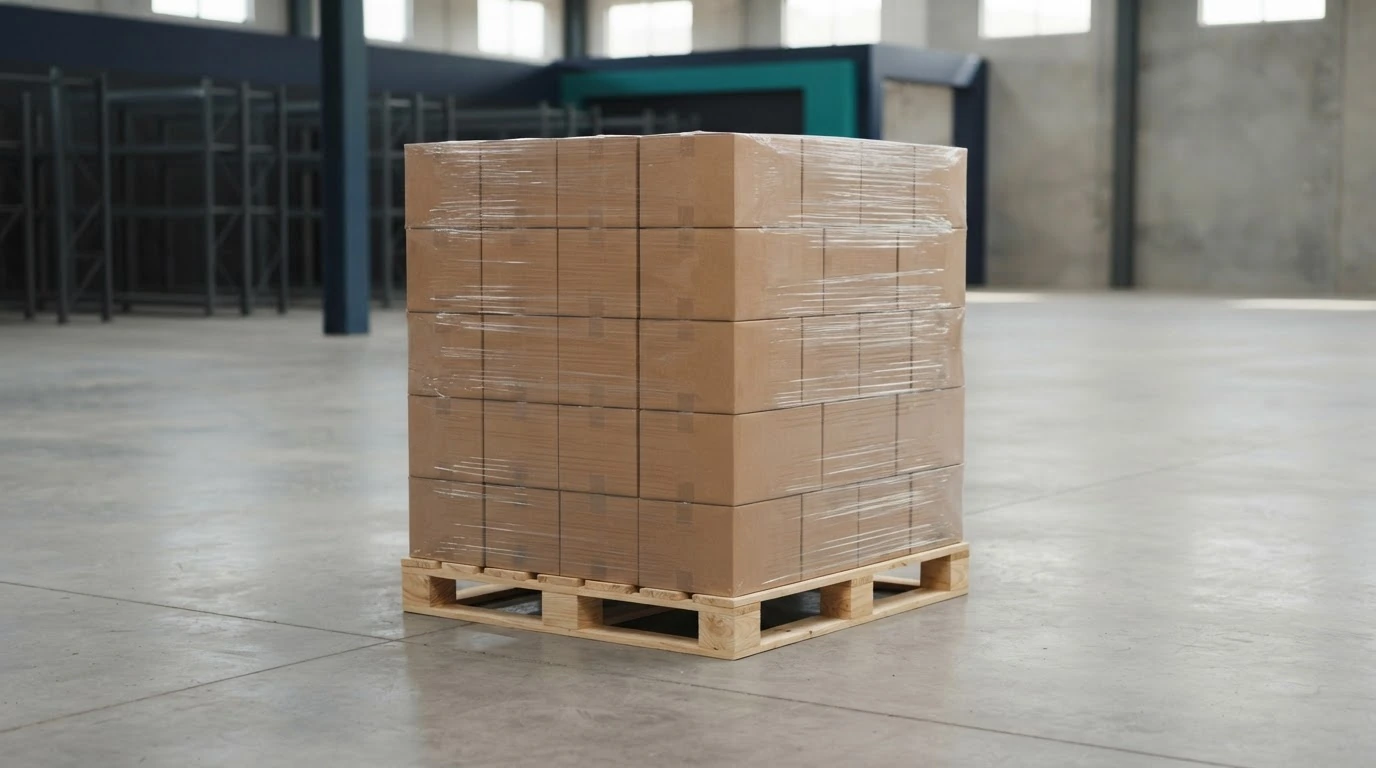
Freight class affects LTL rates by placing a shipment into a standardized pricing category. For otherwise identical shipment details, a higher class generally produces a higher line-haul rate, while a lower class generally produces a lower one.
Class is only one input. Weight, packaged dimensions, lane, service level, carrier pricing, fuel, and required accessorials can also affect the quote.
What freight class means
The National Motor Freight Classification system organizes LTL commodities into freight classes. Carrier and industry guides commonly describe 18 classes ranging from Class 50 through Class 500.
The class number is not a quality grade and does not describe the service level. It helps represent how a commodity fits into the shared-space and handling economics of LTL transportation.
Freight class is primarily an LTL concept. It should not be transferred to a different transportation mode without confirming that the mode and pricing method use it.
Why class changes the rate
An LTL carrier combines freight from multiple shippers in the same trailer and terminal network. The class used for a shipment becomes part of the carrier’s line-haul rating calculation.
Higher-class freight generally costs more to transport under LTL pricing because the classification can reflect lower density, more difficult handling or stowability, or greater liability characteristics. Lower-class freight generally represents more favorable characteristics for shared-trailer transportation.
The exact rate difference cannot be determined from class alone. The same class can produce different quotes on different lanes, at different weights, or under different carrier pricing arrangements.
What determines freight class
Freight-class guidance traditionally discusses four characteristics:
- Density: packaged weight in relation to occupied cubic space
- Stowability: how the freight can be placed with other cargo
- Handling: the effort or care required to move the freight
- Liability: characteristics related to value, fragility, theft, damage, or other exposure
Density can be an important classification input, but it is not a universal substitute for the applicable NMFC provisions. Saia’s density guidance, for example, cautions that not every item is classified on density alone.
Some commodities may use density-based provisions, while others may have commodity-specific requirements or other criteria. Use current, appropriate classification information rather than assuming a density result automatically establishes the class.
Use fully packaged dimensions and weight
When density is relevant, the inputs must describe the freight as it will be tendered.
Measure the outer length, width, and height of each completed handling unit. Include the pallet, crate, wrap, padding, overhang, and protrusions. Use the packaged weight, not just the product weight.
An inaccurate dimension or weight can distort the density information and may lead to an incorrect class assumption. Record measurements by handling unit when the units differ instead of replacing them with an unsupported average.
Class does not set the entire quote
Two shipments with the same class can still have different rates because other pricing inputs differ. A quote may reflect:
- Origin and destination
- Packaged weight and dimensions
- Handling-unit count
- Carrier and pricing arrangement
- Service level
- Pickup and delivery conditions
- Required accessorial services
- Fuel surcharge
This is why a freight-class chart cannot produce a complete shipping price by itself. The class must be evaluated with the real shipment and lane.
Fuel is a separate pricing component controlled by the applicable carrier method. See What Is a Fuel Surcharge in LTL Shipping? for that part of the quote.
What reclassification means
Reclassification occurs when the class used for the quote or shipping documents differs from the class the carrier applies under the applicable rules.
That difference can lead to a revised charge and, depending on the carrier’s terms, an additional fee. It can also make the original quote an unreliable comparison because the shipment was priced with different classification information.
Possible sources of a class mismatch include:
- Incorrect packaged dimensions or weight
- A vague or inaccurate commodity description
- An outdated class or NMFC reference
- A density-only assumption for a commodity governed by other criteria
- Shipping freight that differs from the quoted description
Do not treat every charge change as proof of reclassification. Review the quote, shipping document, carrier charge detail, and available supporting records to identify what changed.
Classification materials change over time
NMFC provisions, carrier tools, and classification guidance can be updated. Industry reporting has also described substantial changes to the LTL classification framework in recent years.
The practical rule is to use current materials for the shipment being quoted. A class copied from an old shipment, saved spreadsheet, or former product configuration may no longer be appropriate.
Carrier tools can help gather information, but a calculator result should be read with its limitations. If the commodity or classification remains uncertain, resolve that uncertainty before booking rather than selecting the class that produces the lowest price.
How to prepare accurate class information
Before requesting a quote:
- Identify the commodity in clear, specific language.
- Complete the packaging and measure the outer dimensions.
- Obtain the packaged weight.
- Determine whether density is applicable to the commodity’s classification.
- Use current NMFC or carrier information when available.
- Keep the quote, shipping documents, and tendered freight consistent.
If the shipment changes after quoting, update its description and obtain a current quote when appropriate.
Compare the full quote, not only the class
When comparing options, verify that each quote uses the same commodity, class, weight, dimensions, lane, location conditions, and requested services. Then compare the line haul, fuel, accessorials, service level, and full quoted total.
A lower class does not guarantee the lowest total across different carriers. It only describes one input in the rating process.
Request a quote for the actual freight
Shipocity is backed by a team with more than 40 years of combined logistics experience. Through established industry relationships, the platform helps businesses compare competitive freight rates for their specific shipment.
Enter the current commodity, class when known, packaged dimensions, weight, lane, and required services to review the options available for the freight.